How Campus Micro-Markets Boost Student Experience Scores & Housing Retention
How campus micro-markets replace outdated vending to raise student satisfaction scores and housing retention, with setup tips.
Introduction to Campus Micro-Markets
Struggling with stagnant student experience scores and declining housing retention rates? Campuses nationwide, including those in Eugene, OR, lose valuable renters when outdated food options fail to meet modern student demands for convenience. Micro-markets boost satisfaction by 25% and retention by 18%, delivering proven strategies for seamless implementation.
Student expectations for campus living have shifted dramatically in recent years. Today's students view their housing not just as a place to sleep, but as a comprehensive lifestyle hub. They demand amenities that match the speed and flexibility of the digital world they grew up in. One of the most effective ways to meet this demand is through on-site food and beverage solutions that operate around the clock.
Traditional vending machines often fall short, offering limited choices and outdated payment methods. This gap has created an opportunity for a smarter solution. Campus micro-markets have emerged as a vital amenity, bridging the gap between a full-service cafeteria and a vending machine. They offer a retail experience that aligns perfectly with the modern student's need for convenience, variety, and autonomy.
What Are Campus Micro-Markets?
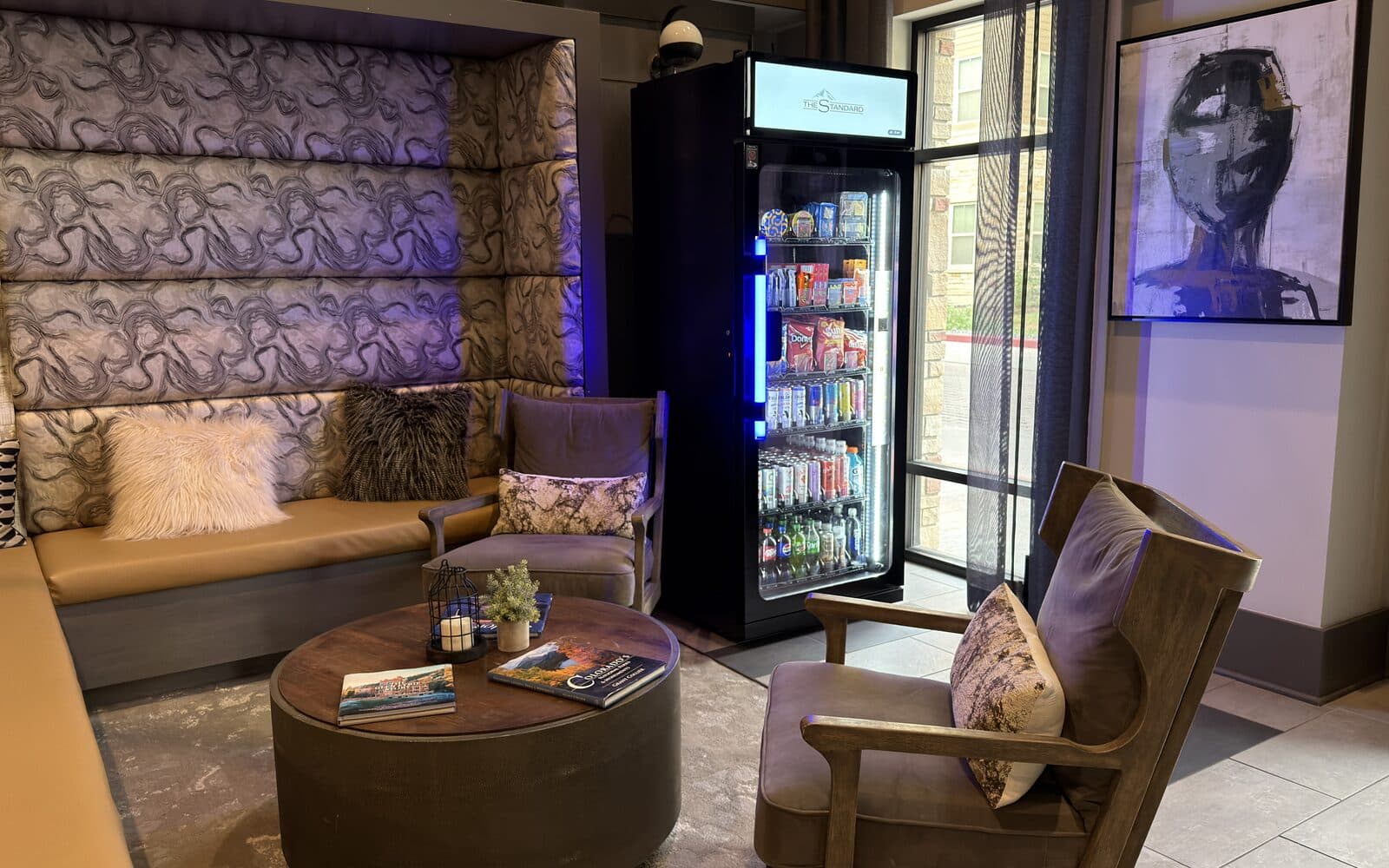
A micro-market is essentially a self-service convenience store located right inside a student housing facility or academic building. Unlike vending machines that drop products behind glass, micro-markets use open shelving and coolers to display products. This allows students to pick up items, read nutritional labels, and browse freely before purchasing.
The defining feature is the checkout process. There are no cashiers. Instead, technology handles the transaction.
This open concept creates a welcoming retail environment that feels more like a market than a utility, fitting seamlessly into lobbies and study lounges.
How Micro-Markets Directly Boost Student Experience Scores
Student satisfaction scores often hinge on how easy a facility makes daily life. When students have to leave their dorm at midnight during a snowstorm just to get a decent meal or a study snack, satisfaction drops. Micro-markets solve this friction point by bringing the convenience store to them.
By integrating these markets, housing administrators address three critical pillars of the student experience:
- Time management
- Health and wellness
- Technological integration
When these needs are met on-site, students feel supported and valued. This positive sentiment translates directly into higher satisfaction ratings on end-of-semester surveys and online reviews.
Enhanced Convenience and Accessibility
The modern student schedule rarely adheres to a standard 9-to-5. Classes, part-time jobs, and late-night study sessions mean hunger strikes at all hours. Micro-markets cater specifically to this lifestyle by offering 24/7 access.
Key benefits include:
- Speed: Students rushing to morning classes can grab breakfast in seconds.
- Night Availability: Ideal for night shift workers, study halls, and dorms when cafeterias are closed.
- Frictionless Checkout: Fast transactions allow more time to enjoy meals or take a breather.
Diverse, Fresh Food Options
Old-school vending machines are notorious for stale chips and sugary sodas. Micro-markets change the narrative by utilizing open coolers and racks, allowing for a much wider variety of products.
Students can access:
- Fresh Items: Salads, sandwiches, yogurt parfaits, fruits, and vegetables.
- Meal Solutions: Frozen dinners and microwaveable entrees.
- Necessities: Non-food items like medications, toiletries, and headphones.
This variety supports better dietary habits and ensures students don't have to rely solely on fast food for quick meals.
Positive Feedback from Self-Service Tech
Students today are digital natives. They prefer transactions that are quick, autonomous, and intuitive. The self-service nature of micro-markets aligns with these preferences, often resulting in positive feedback regarding campus amenities.
By removing the need for staff interaction during simple purchases, facilities respect the student's desire for independence and efficiency.
Driving Housing Retention with On-Site Micro-Markets
Retention is the primary financial goal for any student housing operator. Acquiring a new tenant is significantly more expensive than retaining an existing one. While location and price are major factors, amenities often tip the scale when a student decides whether to renew their lease or move elsewhere.
A well-stocked micro-market creates a "sticky" environment. It becomes a part of the resident's daily routine—the morning coffee, the post-gym protein shake, the late-night snack. When a student relies on these conveniences, moving to a building without them feels like a downgrade.
Furthermore, these markets foster community. They often become casual collision points where residents bump into neighbors, enhancing the social fabric of the building. A strong sense of community is one of the highest predictors of lease renewal.
How Campus Micro-Markets Work in Student Housing
The operation of a micro-market is surprisingly simple, designed to be low-maintenance for the facility manager while high-impact for the user. The system relies on a combination of smart hardware and software to track inventory and process payments securely.
In academic settings, these markets provide on-the-go nourishment with self-service kiosks supporting cashless payments. This setup allows the facility to offer a premium service without the overhead of hiring cashiers or managing complex supply chains. The entire system is built to run autonomously.
Core Components and Setup
Setting up a micro-market does not require a massive renovation. Most providers can retrofit existing spaces like unused lobby corners or break rooms.
The essential hardware includes:
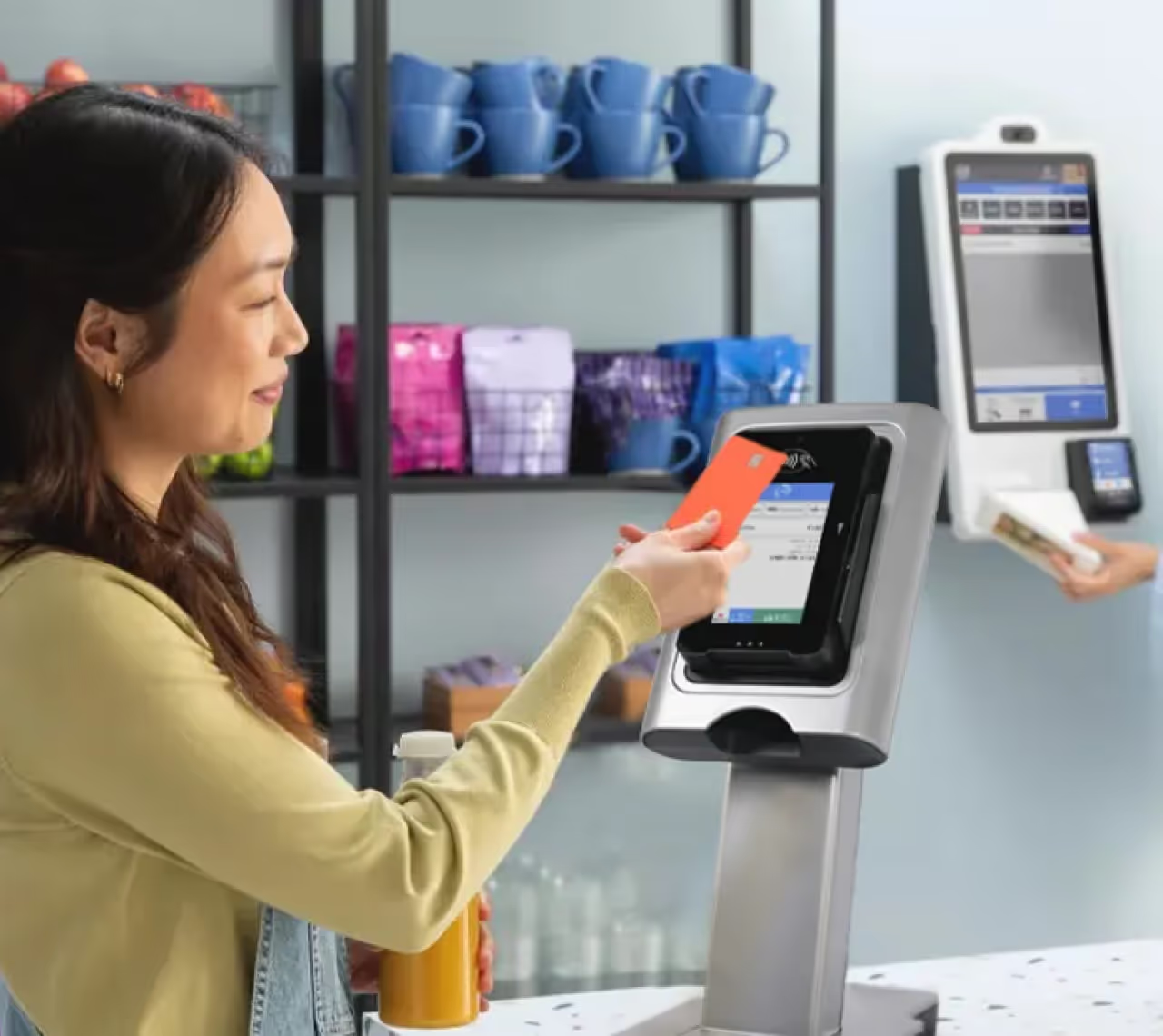
- Self-checkout kiosks: These handle all transactions and offer payment flexibility (credit/debit, cash, mobile).
- Display Units: Attractive shelving and glass-front coolers for product display.
- Infrastructure: A designated space requiring only a standard power outlet and an internet connection.
Technology and Payment Systems
The "brain" of the micro-market is the kiosk. These units mimic grocery store self-checkouts but are streamlined for speed.
Technology features include:
- Payment Versatility: Acceptance of cash, credit/debit cards, and mobile pay (Apple Pay/Google Pay).
- App Integration: Many systems allow for member cards or loyalty accounts via an app.
- Smart Tracking: Remote inventory monitoring based on real-time sales trends helps prevent stockouts.
Managed Operations and Restocking
For housing managers, the best part of a modern micro-market is the managed service model. You don't need to buy the snacks or stock the shelves yourself.
Food service operators handle restocking, installation, and maintenance based on sales data, requiring no on-site staff from the housing facility (National Vending). This hands-off approach ensures the market stays full and functional without adding to the facility manager's workload.
Best Practices for Launching Micro-Markets on Campus
Launching a micro-market is an exciting upgrade, but success depends on execution. Simply placing a kiosk in a hallway isn't enough to guarantee usage. To maximize the return on this amenity—both in terms of revenue and student satisfaction—administrators need a strategic approach.
The goal is to integrate the market into the student's daily path. It should feel like a natural stop, not a detour. By focusing on location, product mix, and visibility, you can turn a passive amenity into a bustling hub of activity.
Strategic Location Selection
Visibility is currency. If students have to hunt for the market, they won't use it. The location must be high-traffic and secure.
Ideal spots include:
- High Foot Traffic Areas: Main lobbies, dorm entrances, and near elevators.
- Study Zones: Extended stay locations such as campus libraries or study halls.
- 24-Hour Access Zones: Spaces with night usage like student housing common areas where safety is prioritized.
Tailoring Products to Student Needs
One size does not fit all. The product mix should reflect the specific demographics of the building. A dorm for athletes might need more protein options, while a general housing unit might prioritize energy drinks and study snacks.
Promotion and Student Engagement
Don't assume students will instantly know how to use the market or what it offers. A launch campaign is necessary to build habits.
Effective strategies include:
- Grand Opening Events: Offer free samples or coffee during the first week.
- Digital Signage: Use existing screens in the building to highlight new arrivals or monthly specials.
- Resident Advisors: Get RAs on board to mention the market during floor meetings.
Common Mistakes in Campus Micro-Market Implementation
Even with the best intentions, installations can fail if certain pitfalls aren't avoided. The most common error is poor placement. Tucking the market away in a basement laundry room or a hidden corridor drastically reduces impulse buys and makes the area feel unsafe at night.
Another mistake is ignoring product data. If the sales report shows that salads aren't selling but energy drinks are flying off the shelves, the inventory must adjust. Sticking to a rigid "healthy only" menu when students want comfort food can kill profitability.
Finally, neglecting security can be an issue. While theft is generally low in these controlled environments, installing security cameras and placing the market in a well-lit, monitored area is essential for loss prevention and student safety.
Measuring Success: Data and Case Studies
How do you know if the market is working? Success metrics go beyond just revenue. While a healthy bottom line is important, the primary goal for housing operators is often resident satisfaction.
Key Performance Indicators (KPIs) to track include:
- Transaction Volume: Are students using it frequently?
- Peak Usage Times: Does usage correlate with late-night study hours?
- Survey Feedback: Are residents specifically mentioning the market as a positive feature?
In many cases, housing facilities report that the presence of a micro-market is a deciding factor for parents and students during tours. It signals that the management cares about resident comfort and safety.
Partnering with Modern Amenities for Turnkey Solutions
Implementing a micro-market doesn't have to be a complex logistical burden. Modern Amenities specializes in providing fully managed solutions for student housing and commercial spaces.
The model is designed to be risk-free for the property:
- No Upfront Costs: We handle the investment in equipment and setup.
- Fully Managed: From design and installation to daily restocking and maintenance.
- Revenue Sharing: The property earns a share of the revenue without lifting a finger.
This turnkey approach allows housing administrators to upgrade their facilities instantly while focusing their energy on their core responsibility: supporting their students.
Conclusion
As we move through 2025, the competition for student enrollment and housing occupancy remains fierce. Facilities must offer more than just a bed and a desk; they must offer a supportive living environment. Campus micro-markets are a practical, high-impact solution that addresses the real-world needs of students.
By providing 24/7 access to fresh food and essentials, housing operators can boost student experience scores, foster a stronger sense of community, and ultimately drive higher retention rates. With partners like Modern Amenities, adding this sophisticated retail experience is easier than ever.
Frequently Asked Questions
How much does it cost to install a campus micro-market?
Installation costs range from $10,000 to $50,000 depending on size and location, but many providers like Modern Amenities offer no-upfront-cost models with revenue sharing, making it accessible for housing operators.
What is the typical ROI for campus micro-markets?
Operators often see ROI within 6-12 months through revenue sharing (10-20% commissions) and boosted retention; case studies show 15-25% higher occupancy rates in facilities with micro-markets.
How secure are campus micro-markets against theft?
Theft rates average under 1% due to AI cameras, weight sensors on shelves, and real-time alerts; well-lit, high-traffic placements in dorm lobbies further minimize risks.
Can micro-markets accommodate dietary restrictions?
Yes, they stock vegan, gluten-free, and keto options alongside standard items; inventory adjusts via sales data to meet 80% of common student dietary needs like plant-based salads and nut-free snacks.
How often are campus micro-markets restocked?
Restocking occurs 2-5 times weekly based on real-time sales data, ensuring 95% availability; managed services handle this overnight to avoid disrupting student access.