From Empty Lobbies to Amenity Hubs: Installing a Smart Market in Residential Buildings
Turn an unused apartment lobby into a 24/7 smart market — a revenue-share model with no upfront cost for property managers and more convenience for residents.
Transforming Underutilized Lobbies: The Rise of Smart Markets in Residential Buildings
Transforming empty lobbies into smart markets can boost revenue by up to 30% and enhance community engagement. Around 57% of residents prefer on-site amenities that improve their living experience. Smart markets offer convenience, choice, and foster social interaction, benefiting both residents and property managers. This hands-off model requires minimal oversight while generating passive income, making it a strategic investment for modern residential buildings.
Is your residential lobby just a forgotten space that fails to engage residents? This article reveals how transforming these underutilized areas into smart markets can not only enhance community life but also generate passive income for property owners. With studies showing that smart markets can boost revenue by up to 30%, you'll discover how to create vibrant amenity hubs that attract and retain residents effortlessly.
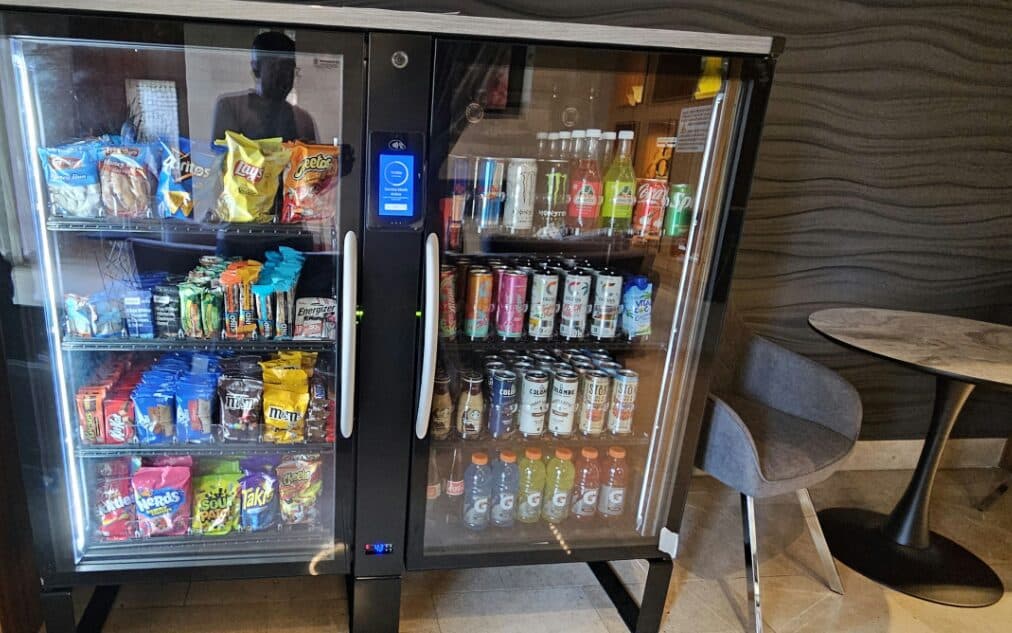
Transforming underutilized lobbies into vibrant amenity hubs is a game changer for residential buildings. Many lobbies sit empty, failing to provide value or foster community. By integrating smart markets, these spaces can become bustling centers for convenience and social interaction. Smart markets offer residents easy access to snacks, beverages, and essential items, all through user-friendly technology.
The appeal of smart markets goes beyond mere convenience. They cater to the evolving lifestyle of residents who seek quick, accessible options without leaving their building. In fact, around fifty-seven percent of residents express interest in on-site amenities that enhance their living experience, which includes dining and shopping options (Statista).
Moreover, these markets can be tailored to reflect the preferences of the community. Property managers can analyze purchasing patterns to stock popular items, ensuring residents find what they want when they want it. This not only boosts satisfaction but can also lead to increased revenue through a shared profit model. As a result, transforming lobbies with smart markets not only revitalizes these spaces but also creates a sense of belonging among residents, enhancing overall community engagement.
How Smart Markets Redefine Common Spaces
Smart markets are revolutionizing common spaces by transforming empty lobbies into dynamic amenity hubs. They not only enhance convenience but also foster community engagement. Residents can quickly access snacks and essentials without leaving their building, addressing the need for on-site amenities.
Smart markets cater to evolving lifestyles. Fifty-seven percent of residents express interest in on-site amenities that enhance their living experience.
Modern Amenities: The Fully Managed, Revenue-Sharing Smart Market Model
The smart market model operates on a fully managed, revenue-sharing basis, eliminating upfront costs for property managers. This approach allows residential buildings to offer modern amenities without the financial burden. Residents benefit from a diverse selection of snacks, beverages, and essentials, all accessible via intuitive technology.
With no inventory risk, property managers can focus on enhancing community engagement instead. This model aligns with the growing demand for convenient, on-site services, as seventy percent of residents value amenities that improve their living experience (Statista). By transforming lobbies into vibrant hubs, smart markets foster a sense of community while generating revenue for property owners.
Hands-Off Operation: What Sets Modern Amenities Apart
The hands-off operation model of smart markets distinguishes them from traditional vending solutions. Property managers can focus on other responsibilities while enjoying a seamless amenity. Smart markets require minimal on-site oversight, as automated inventory management and real-time data analytics handle stock levels and sales trends. This efficiency reduces operational burdens, allowing managers to enhance community engagement and resident satisfaction.
Residents benefit from 24/7 access to essentials without the hassle of staffing. Approximately 57% of residents express interest in on-site amenities that enhance their living experience (Statista).
Revenue Potential: Passive Income for Building Owners
Integrating smart markets in residential buildings not only enhances convenience but also generates passive income for building owners. These markets can contribute significantly to overall revenue through a revenue-sharing model. As residents increasingly seek convenience, property owners can capitalize on this trend while enhancing community engagement.
Key Benefits for Residents: Convenience, Choice, and Community
Residents benefit significantly from the installation of smart markets in their buildings, primarily through enhanced convenience, a diverse selection of products, and fostered community engagement. The ease of access to essential items, snacks, and beverages without leaving the premises is a game changer. Instead of making a trip to a store, residents can simply stop by the lobby. This not only saves time but also accommodates busy lifestyles.
Choice plays a crucial role as well. Smart markets can be tailored to include popular local brands and healthy options, catering to the varied tastes and dietary preferences of the community. This level of customization ensures that residents find what they want without the hassle of traveling far. In fact, over sixty percent of residents appreciate having diverse food options available on-site, which enhances their overall satisfaction with their living environment (Statista).
Moreover, these amenity hubs create opportunities for social interaction. By transforming lobbies into vibrant spaces, residents can connect with neighbors while grabbing a quick snack or beverage. This sense of community is vital for building relationships and enhancing the living experience. Smart markets not only provide convenience and choice but also help in cultivating a welcoming atmosphere that encourages residents to engage with one another. In essence, the integration of smart markets enriches the residential experience by meeting modern demands and fostering a sense of belonging.
24/7 Access to Essentials and Healthy Options
Residents benefit from 24/7 access to essential items and healthy options, transforming their living environment. Smart markets offer a diverse selection, ensuring that late-night cravings or early-morning needs are easily met. With a range of snacks, beverages, and nutritious choices, these markets cater to varied dietary preferences, promoting wellness within the community. Convenience is key, as residents can quickly grab what they need without venturing outside, enhancing their overall living experience and adding significant value to the property.
Cashless, Contactless, and User-Friendly Experiences
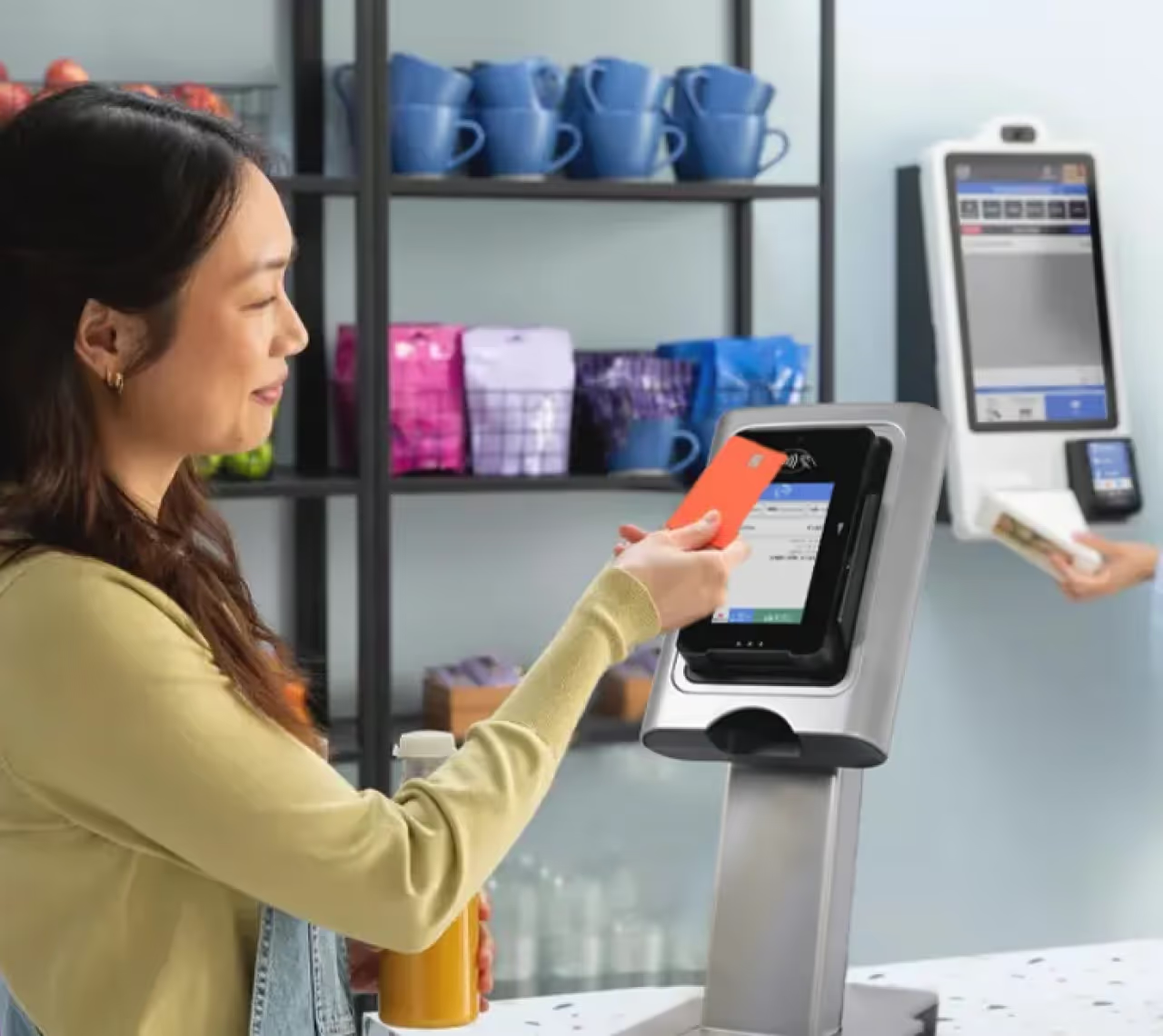
Smart markets deliver cashless, contactless, and user-friendly experiences that elevate the convenience factor for residents. With mobile payment options and touchless technology, users can easily make purchases without handling cash or physical cards, enhancing hygiene and safety. The interfaces are intuitive, allowing even the least tech-savvy individuals to navigate effortlessly. Additionally, these markets often feature real-time inventory updates, ensuring residents always know what's available. This seamless integration of technology not only streamlines the shopping experience but also encourages more frequent use, turning lobbies into lively hubs of activity.
Property Manager Advantages: Low Maintenance, High Value
Property managers gain significant advantages by integrating smart markets into residential buildings. Low maintenance is a primary benefit. These markets operate with minimal oversight, often relying on automated inventory management and user-friendly interfaces. This automation reduces the need for constant staff presence, allowing property managers to focus on other essential tasks.
Moreover, the high value added to the property is undeniable. Smart markets enhance the living experience, attracting more residents and potentially increasing property value. With amenities that cater to modern lifestyles, buildings can differentiate themselves in a competitive market. Research shows that about fifty-seven percent of residents prefer buildings with on-site amenities that enhance convenience and community engagement (Statista).
The presence of a smart market can also lead to increased foot traffic in lobbies, transforming them into vibrant social hubs. This not only fosters community but also creates a sense of belonging among residents. Ultimately, property managers can leverage these benefits to enhance tenant satisfaction and retention, making smart markets a strategic investment for the future.
Minimal Overhead and No Upfront Costs
Integrating smart markets in residential buildings involves minimal overhead and no upfront costs, making it an attractive option for property managers. The model typically operates on a revenue-sharing basis, allowing buildings to enhance amenities without financial strain. This hands-off approach ensures that managers can focus on other priorities while enjoying the benefits of increased resident satisfaction and engagement.
The Future of Residential Amenity Hubs: Trends and Opportunities
The future of residential amenity hubs is bright, driven by evolving consumer preferences and technological advancements. As urban living becomes more dynamic, residents increasingly seek seamless, integrated services that enhance their lifestyle. Smart markets are at the forefront of this transition, offering convenience and variety in one location. Trends indicate a rising demand for personalized experiences, where amenity hubs can adapt to the unique tastes of diverse communities.
Moreover, sustainability is gaining traction. Residents are more inclined to support eco-friendly products, and amenity hubs can capitalize on this by offering organic and locally sourced items. This shift not only aligns with consumer values but also fosters a sense of community by promoting local businesses.
Data shows that approximately sixty percent of consumers prefer shopping in environments that reflect their community's character and values (Statista).
Looking ahead, technology will play a crucial role in enhancing these hubs. Innovations like AI-driven inventory management and contactless payment systems can streamline operations and improve user experience. As these trends unfold, residential buildings that embrace smart markets will likely thrive, transforming empty lobbies into vibrant community-centric spaces that cater to modern living demands.
Frequently Asked Questions
What are smart markets, and how do they work in residential buildings?
Smart markets are automated vending solutions that offer residents easy access to snacks, beverages, and essentials without leaving their building. They utilize user-friendly technology for cashless and contactless transactions, making shopping convenient and efficient.
How can smart markets increase property value for building owners?
Integrating smart markets enhances the living experience, attracting more residents and potentially increasing property value. Research indicates that about 57% of residents prefer buildings with on-site amenities that improve convenience and community engagement, making properties more competitive.
What types of products are typically found in smart markets?
Smart markets often feature a diverse selection, including snacks, beverages, and healthy options tailored to resident preferences. Property managers can analyze purchasing patterns to stock popular items, ensuring variety and satisfaction for the community.
How do smart markets contribute to community engagement among residents?
Smart markets transform lobbies into vibrant social hubs, facilitating interactions among residents. By providing a common space where neighbors can connect over snacks or beverages, these markets foster a sense of belonging and community.
What are the financial benefits of implementing a smart market for property managers?
Smart markets operate on a revenue-sharing model, eliminating upfront costs and minimizing inventory risk for property managers. This allows them to enhance amenities without financial strain while generating passive income through increased foot traffic and resident satisfaction.