The Future of Campus Convenience: Why Universities Are Switching to Smart Micro-Markets
Why college campuses are replacing vending machines with 24/7 smart micro-markets that accept meal plans and boost dining revenue.
Introduction to the Campus Convenience Revolution
Struggling with outdated campus stores that mean long lines, limited hours, and frustrated students heading off-campus for snacks? You're not alone, as traditional setups drain budgets without meeting modern demands. Universities are switching to smart micro-markets for 24/7 convenience and revenue boosts. Campuses using them report up to 40% higher student satisfaction and sales.
Campus dining has changed. The days when students were satisfied with a limited cafeteria schedule and a few vending machines dispensing stale chips are gone. Today's university population operates on a 24-hour cycle, and they expect food options that match their schedule. This shift has pushed administrators to look for better solutions that don't increase labor costs.
Smart micro-markets are filling this gap. These unattended retail spaces offer fresh food, beverages, and snacks in an open-concept layout. They provide the variety of a convenience store without the overhead of hiring cashiers. The financial impact is real. Recent data shows that implementing AI-powered solutions on campuses can increase revenue by 53% while dropping shrinkage (theft) to near zero (Intuitivo).
What Are Smart Micro-Markets?
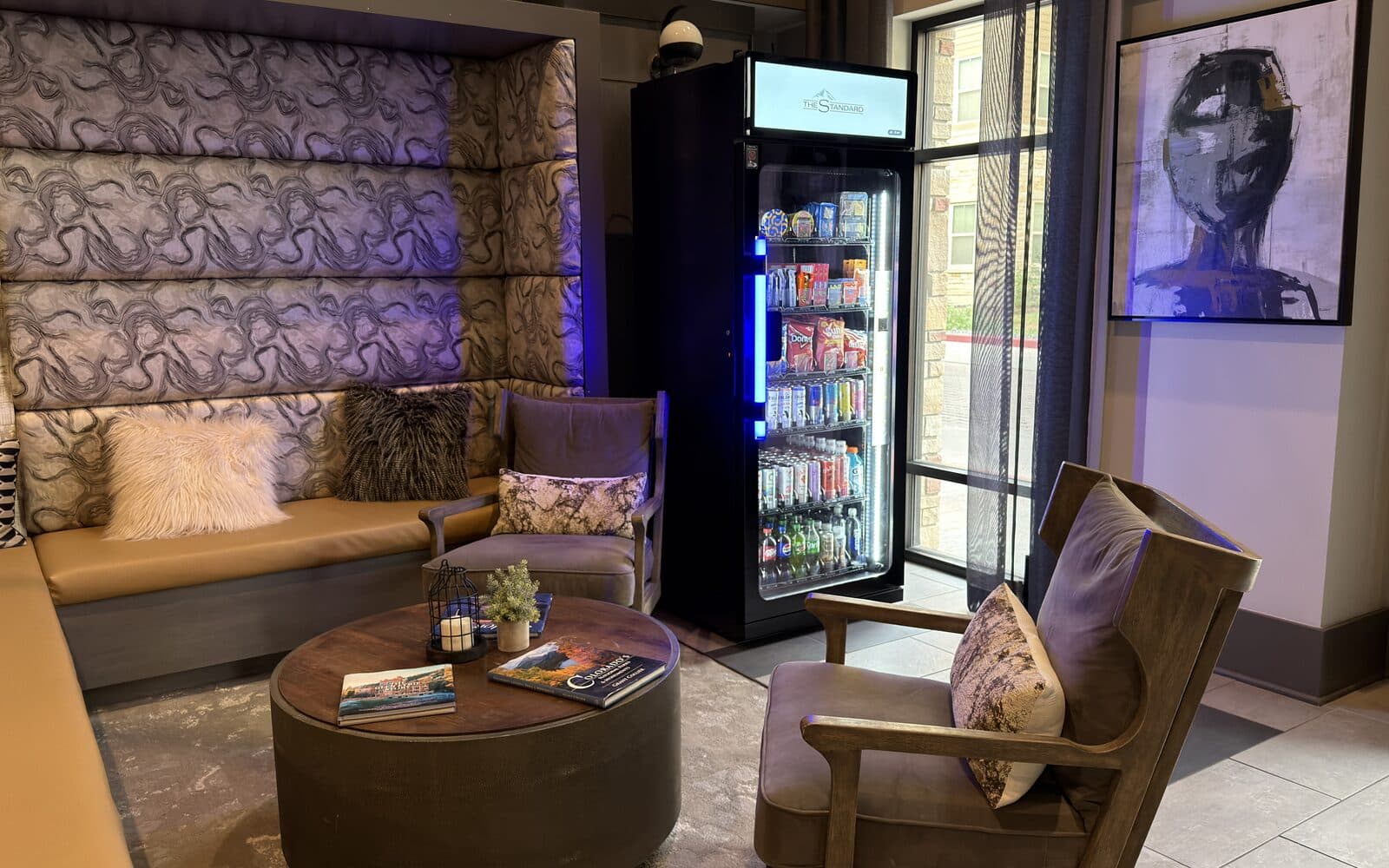
A smart micro-market is essentially an unmanned convenience store located right inside a campus building. Unlike traditional vending machines where products are locked behind glass and coils, micro-markets use open shelves, coolers, and freezers. This allows students and staff to pick up a product, read the nutritional label, and inspect the freshness before buying.
The "smart" part comes from the technology. These markets rely on self-checkout kiosks, mobile apps, or advanced camera systems to track purchases. They are designed to fit into lobbies, dorm common areas, and faculty lounges. The primary goal is to offer a frictionless buying experience that feels more like a modern retail store and less like a last-resort snack stop.
Why Universities Are Switching to Smart Micro-Markets
Higher education institutions face a difficult balancing act. They need to improve the student experience and offer better nutritional options, but they also face tight budgets and labor shortages. Traditional dining halls are expensive to staff around the clock, yet the demand for late-night service is higher than ever. Smart micro-markets solve these problems simultaneously by using technology to replace manual oversight.
Evolving Student Expectations
Students today are digital natives who value speed and variety. They are used to ordering food via apps and paying with digital wallets. A standard vending machine with limited options feels outdated to them. They want fresh salads, yogurt parfaits, and premium beverages, not just candy bars. Micro-markets meet this demand by offering a wider range of fresh and healthy products that traditional machines simply cannot handle.
Cost Savings and Revenue Opportunities
Running a staffed cafeteria or campus store requires significant payroll expenses. By switching to an automated model, universities eliminate the need for cashiers. This reduction in overhead turns low-margin locations into profitable assets. Additionally, because the product mix is better, the average transaction value is higher than a vending machine.
24/7 Accessibility Without Traditional Overhead
The biggest advantage for a busy campus is time. Students studying for finals at 2:00 AM need fuel, but keeping a dining hall open isn't financially viable. Micro-markets bridge this gap. As industry experts note, these markets provide "24/7 flexibility" to meet customer needs without requiring staffed checkout, ensuring students always have access to food (Apriva).
How Smart Micro-Markets Work on Campus
The user experience in a micro-market is designed to be intuitive. It removes the barriers between the customer and the product. Instead of punching a code and hoping a bag of chips doesn't get stuck, the student walks up, grabs what they want, and pays. Behind the scenes, the system is much more complex, handling inventory tracking, payment security, and sales data automatically.
Core Technology and Self-Checkout Systems
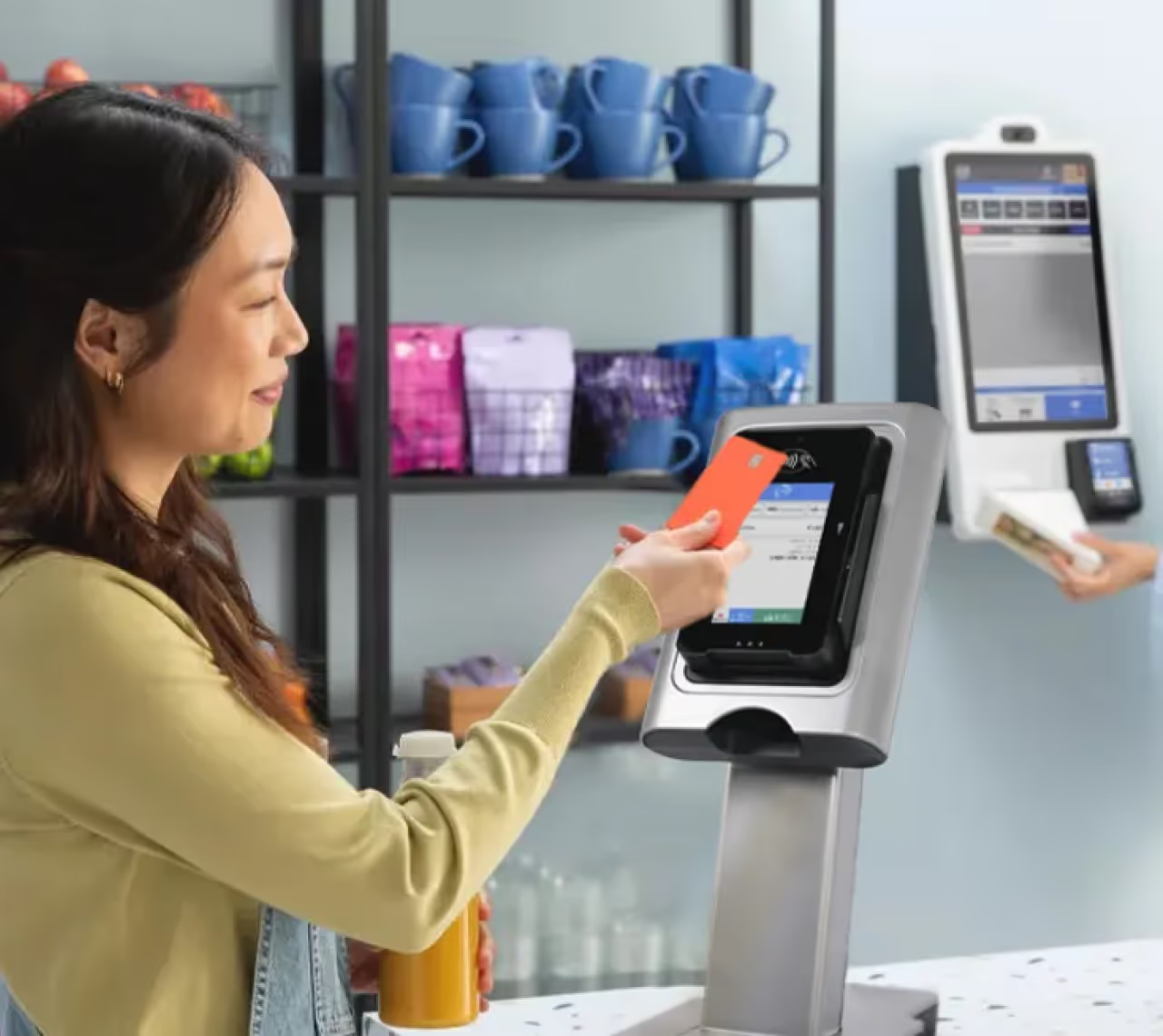
Most campus micro-markets use a kiosk or a mobile app for transactions. Here is the typical flow:
- Selection: The student picks items from open coolers or racks.
- Scan: They scan the barcode at a kiosk or use a phone camera.
- Payment: They pay via credit card, campus card, or mobile wallet.
Some advanced systems use computer vision to automatically detect what is taken, removing the scanning step entirely.
Inventory Management and Real-Time Analytics
For facility managers, the real power lies in the data. These systems track every sale in real time. This means no more guessing which products are popular. If energy drinks are selling out every Tuesday, the system flags it. This data-driven approach ensures shelves are stocked with what students actually want, reducing food waste and maximizing sales per square foot.
Seamless Integration with University Infrastructure
A standalone payment system can be a hurdle for students who rely on meal plans. The best micro-markets integrate directly with the university's existing ecosystem. This allows students to use their campus ID cards or meal plan dollars to pay for snacks. Successful implementations have shown that integrating with VMS (Vending Management Systems) and accepting student IDs is critical for adoption (Intuitivo).
Key Benefits for Universities, Students, and Staff
Implementing micro-markets creates a ripple effect of positive outcomes across the campus. It is not just about selling snacks; it is about improving the quality of life for everyone on site.
- For Students: They get access to fresh food whenever they need it. This is vital for students with irregular schedules or those living in dorms far from the main dining hall.
- For Staff and Faculty: Professors working late or administrative staff on short breaks appreciate having premium coffee and healthy lunch options nearby without leaving the building.
- For Administration: It creates a passive revenue stream and modernizes the campus image. It shows prospective students and parents that the university invests in modern, convenient amenities.
Best Practices for Launching Micro-Markets on Campus
Success isn't guaranteed just by installing a kiosk. The physical setup and operational plan matter immensely. A micro-market needs to be treated like a small retail business. If you hide it in a dark corner or stock it with the wrong items, it will fail.
Selecting Optimal Locations
Location is the single most important factor. You want high-foot-traffic areas where people naturally congregate or pass through. Good spots include:
- Student Unions: Central hubs of activity.
- Library Lobbies: For late-night study sessions.
- Dormitory Common Areas: For easy access near living quarters.
- Faculty Break Rooms: To serve staff specifically.
The space also needs access to power and a reliable internet connection for the payment systems to work.
Customizing Product Assortments
One size does not fit all. A market in a gym should stock protein shakes and energy bars, while one in a library might do better with coffee and sandwiches. It is smart to survey students before launching to see what brands they prefer. Rotating products seasonally keeps the market interesting and prevents sales from stagnating.
Training and Ongoing Management
Even though these markets are "unattended," they are not "unmanaged." Students need to know how to use them. During launch week, have staff available to demonstrate the checkout process. Ongoing management involves keeping the area clean and ensuring the technology is online. A messy market with a broken kiosk will lose customer trust immediately.
Common Mistakes Universities Make—and How to Avoid Them
While micro-markets are powerful, they can underperform if managed poorly. Here are the most frequent pitfalls:
- Ignoring Security: Open shelves can invite theft. Solution: Place markets in areas with existing security cameras or install dedicated surveillance monitors that are visible to customers.
- Poor Internet Connectivity: If the kiosk goes offline, you can't sell anything. Solution: Ensure the location has a hardwired ethernet connection or a strong, dedicated cellular signal.
- Stagnant Inventory: Stocking the same items for months leads to boredom. Solution: Use sales data to swap out the bottom 20% of products every quarter.
The Future of Smart Micro-Markets in Higher Education
The trend toward automation on campus is accelerating. We are moving toward even more frictionless experiences. Future markets will likely rely heavily on computer vision and AI, allowing students to walk in, grab a sandwich, and walk out without even scanning a barcode—the payment will happen automatically in the background.
We will also see a stronger push for sustainability. Smart fridges will adjust their temperature based on contents to save energy, and inventory systems will predict demand so accurately that food waste becomes negligible. As universities compete for enrollment, offering these high-tech, convenient amenities will become a standard expectation rather than a luxury perk.
Why Choose Modern Amenities for Your Campus
At Modern Amenities, we understand that university administrators have enough on their plates without worrying about restocking sandwiches or fixing internet connections. We specialize in fully managed smart vending and micro-market solutions designed specifically for high-traffic educational environments.
Our model is simple: we handle everything. From the initial design and installation to daily restocking and technology maintenance, we take care of the operations. We operate on a revenue-sharing basis, meaning there are no upfront costs for the university. You provide the space, and we provide a turnkey amenity that improves student satisfaction and generates revenue from day one.
Conclusion
The shift from traditional vending to smart micro-markets is more than a trend; it is a necessary upgrade for the modern campus. By offering 24/7 access to fresh food, integrating with student IDs, and utilizing smart technology, universities can meet student expectations while reducing operational costs.
Whether you are looking to upgrade a single dorm lobby or overhaul your entire campus vending strategy, the benefits are clear. Better food, happy students, and a hands-off revenue stream make smart micro-markets the logical choice for the future of higher education.
Frequently Asked Questions
How much does it cost to install a smart micro-market on a university campus?
Installation costs range from $10,000 to $50,000 per unit, depending on size and tech features, but many providers like Modern Amenities offer revenue-sharing models with zero upfront costs for universities.
What security measures prevent theft in campus smart micro-markets?
Advanced systems use computer vision cameras, weight sensors on shelves, and AI alerts to detect theft in real-time, reducing shrinkage to under 1% compared to 20-30% in traditional vending.
How often should inventory be restocked in a smart micro-market?
Restocking occurs 2-5 times weekly based on real-time sales data, with popular items like energy drinks flagged for daily replenishment to minimize waste and ensure availability.
Can smart micro-markets accept meal plan payments from student IDs?
Yes, top systems integrate seamlessly with university VMS and campus ID cards, allowing meal plan dollars or flex accounts for payments alongside credit cards and mobile wallets.
What ROI can universities expect from smart micro-markets?
Universities typically see 40-60% revenue growth within the first year, with average transaction values rising 2-3x over vending machines due to premium products and higher foot traffic.