The Hidden Cost of Traditional Vending Machines — And How Smart Markets Solve It
What traditional vending machines really cost in repairs, downtime, and theft — and how self-checkout smart markets eliminate those losses.
Introduction
Struggling with endless repair bills and wasted inventory from traditional vending machines draining your commercial space's budget? Downtime and theft pile on losses, costing businesses up to $1,500 per machine annually. This article exposes those hidden pitfalls and reveals how smart markets eliminate them with hands-off tech that boosts revenue.
Everyone knows the frustration of a vending machine that eats your dollar. But for property managers and business owners, the frustration goes much deeper than a stuck bill. Traditional vending machines often seem like a simple "set it and forget it" amenity, yet they frequently become a financial and logistical burden.
From constant repairs to restocking issues, the old model is broken. The industry is shifting toward technology-driven solutions that remove these headaches entirely. If you are still relying on clunky metal boxes to feed your tenants or employees, you might be losing more money than you realize. Here is why the switch to smart markets is not just a trend—it is a necessary upgrade for modern commercial spaces.
The Hidden Costs of Traditional Vending Machines
Most people look at the sticker price of a vending machine and think that is the end of the investment. In reality, the purchase price is just the entry fee. The real expenses are hidden in the day-to-day operations that slowly bleed profit margins dry.
These "invisible" costs include administrative time, energy consumption, and the mental load of managing complaints. When you add up the labor required to source products and the cash lost to inefficiencies, the ROI plummets. It is a classic case of an asset becoming a liability.
Endless Maintenance and Repair Fees
Mechanical failures are inevitable with traditional machines. Routine monthly maintenance checks often cost $50–$100, while parts and repairs can run much higher. If a refrigerated cooling system fails, you could face a bill of $200–$500 instantly. These ongoing expenses can consume up to 15% of your operational costs.
Inventory Stocking Headaches and Waste
Managing inventory manually is a guessing game. You might overstock items that expire or understock popular snacks, leading to missed sales.
- Expired products mean wasted money.
- Manual checks require paid labor hours.
- Slow movers take up valuable slot space.
Without real-time data, you are constantly losing efficiency.
Downtime and Lost Sales Revenue
A broken machine generates zero revenue. Whether it is a coin jam or a card reader error, every minute of downtime hurts your bottom line. As industry experts point out, "Being prepared for a quick fix means less downtime and fewer lost sales." You cannot afford to wait days for a technician while the machine sits empty.
Theft, Vandalism, and Security Risks
Traditional machines are magnets for vandalism. Glass breaks, coin mechanisms get jammed, and products are shaken loose. Security issues do not just cost money in repairs; they damage the perception of your space. Fixing these issues can easily cost hundreds of dollars a year, erasing the small profit margins these machines typically generate.
What Are Smart Markets?
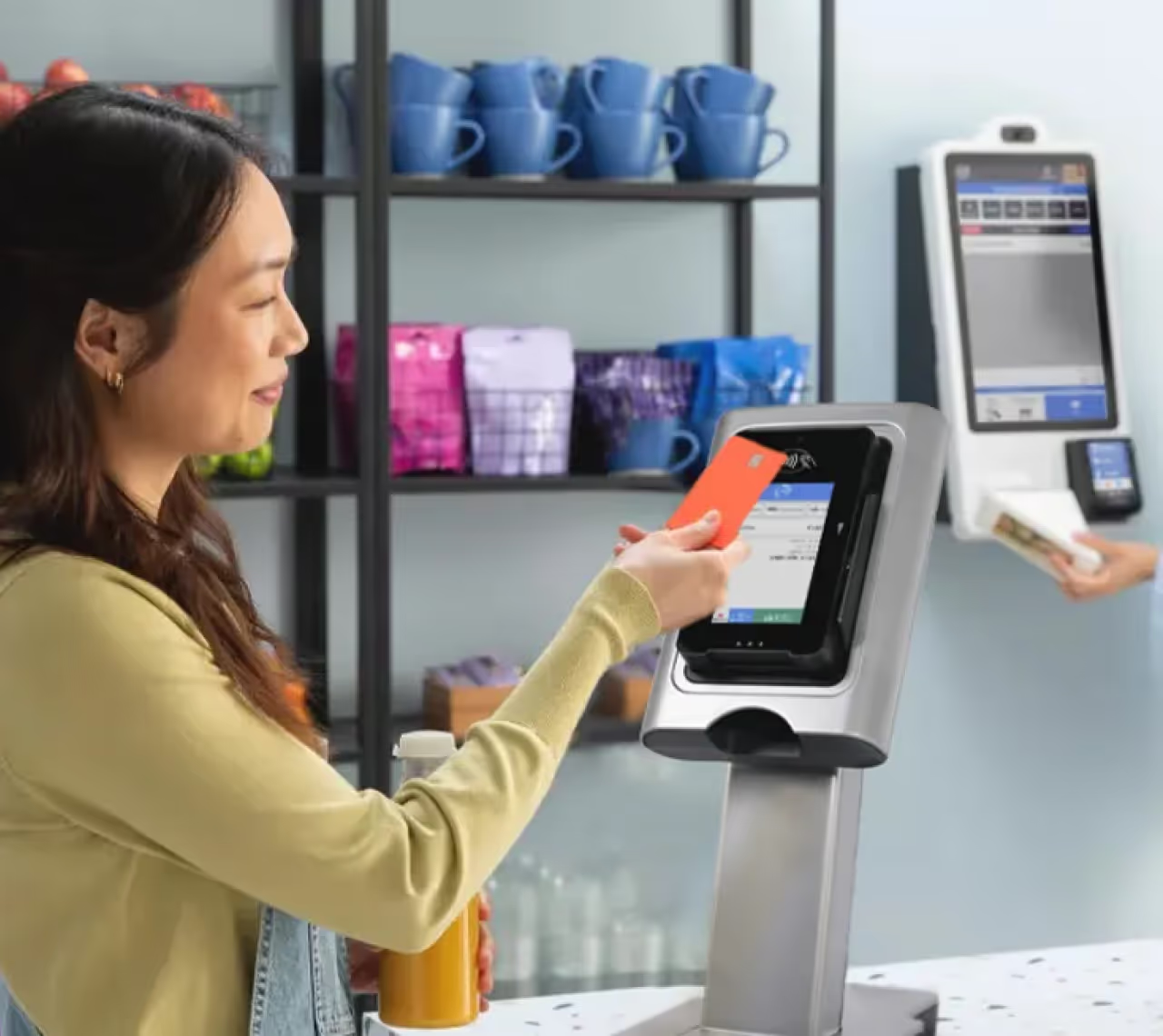
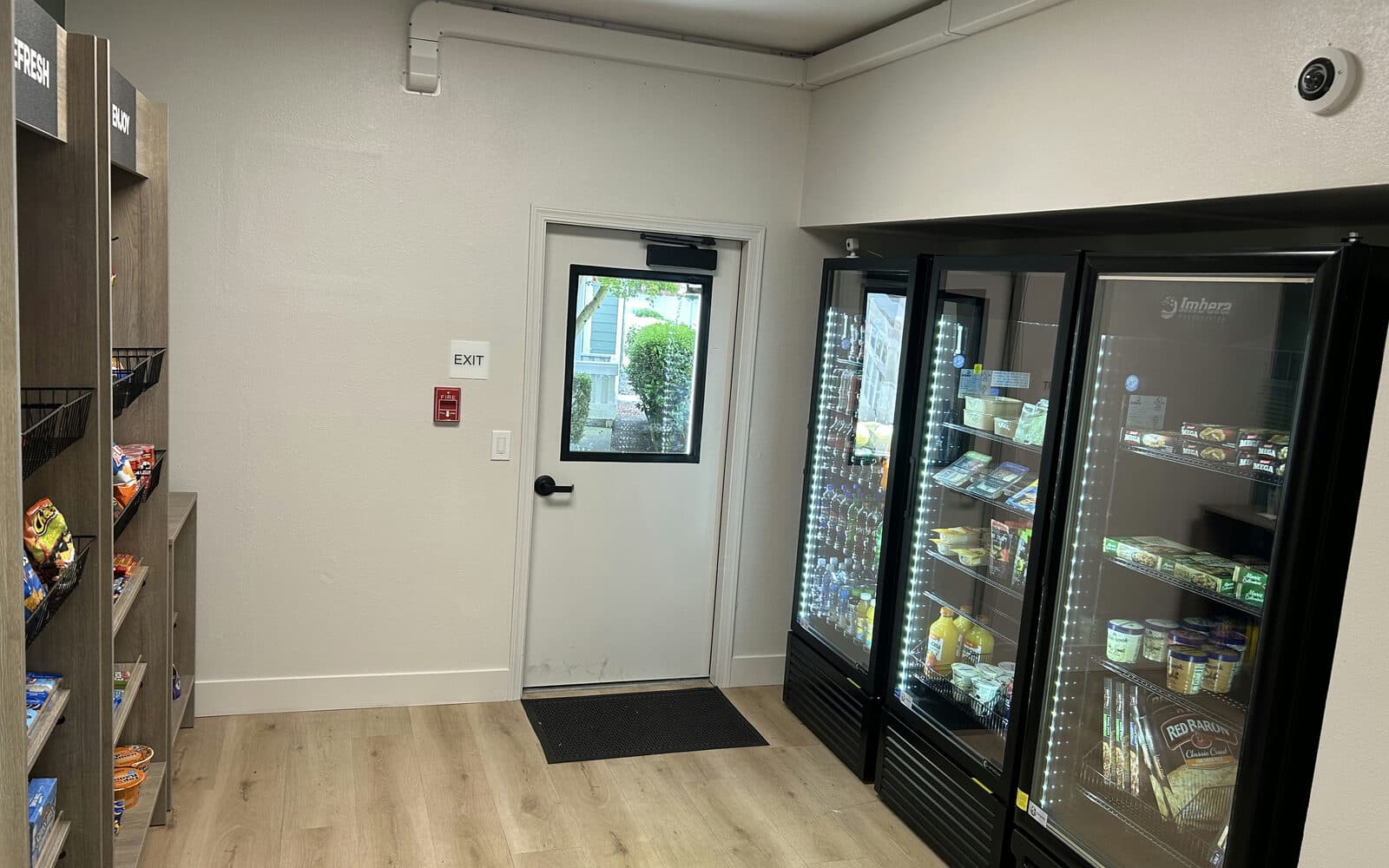
Smart markets, often called micro markets, are open-concept retail spaces that function like miniature convenience stores. Instead of locking products behind glass and metal coils, they use open shelving and coolers secured by technology.
Key features include:
- Self-checkout kiosks
- Camera-based security
- Fresh food options (salads, sandwiches)
- Cashless payment systems
They transform a breakroom or lobby into a premium amenity. The experience feels less like a transaction with a machine and more like shopping at a high-end market.
How Smart Markets Eliminate Hidden Costs
The primary advantage of a smart market is the removal of mechanical barriers. There are no coils to jam and no bills to get stuck. By digitizing the experience, these markets remove the friction that causes most vending complaints.
Technology handles the heavy lifting. This shift moves the operation from a manual, reactive model to an automated, proactive one. You stop paying for repairs on 1980s hardware and start leveraging software to run a smooth operation.
Self-Checkout Technology for Frictionless Sales
Smart markets use tablets or mobile apps for payment. This eliminates the mechanical failures associated with bill validators and coin mechs.
- Faster transactions reduce lines.
- Multiple payment options (Apple Pay, cards) increase spending.
- Receipts are digital and instant.
Customers simply scan, pay, and go.
Real-Time Inventory and AI-Driven Restocking
Smart markets track every item sold in real time. The system knows exactly when the Snickers bars are running low or if the salads are nearing expiration. This data allows for precise restocking trips, reducing waste and ensuring the shelves are always full of what people actually want.
Remote Monitoring and Predictive Maintenance
Modern systems alert operators before a problem becomes a crisis. Instead of waiting for a tenant to complain, the system flags issues immediately.
- Prioritize preventative maintenance
- Utilize real-time monitoring tools
- Establish a detailed maintenance calendar
This proactive approach keeps the market running 24/7 without constant oversight.
Key Advantages of Smart Markets for Commercial Spaces
For commercial landlords and office managers, the switch to a smart market offers benefits beyond just cost savings. It significantly boosts tenant satisfaction. People today expect high-quality, fresh food options, not just bag of chips.
A well-designed market increases the perceived value of the property. It keeps employees on-site during breaks, boosting productivity, and provides residents with a 24/7 convenience that feels luxurious. It turns a dead corner of your lobby into a vibrant, revenue-generating asset.
Best Practices for Adopting Smart Markets
Transitioning to a smart market requires some planning. You cannot just drop a kiosk in a hallway and hope for the best. Success depends on understanding your specific environment and selecting the right partner to handle the logistics.
The goal is to create a seamless experience for your users while minimizing your own workload. Here is how to get started on the right foot.
Evaluate Your Space and Traffic Needs
Smart markets need a dedicated footprint. Look for an area with:
- Power outlets and reliable internet access.
- High foot traffic, such as a main lobby or breakroom.
- Security visibility to deter theft.
A minimum population of 75-100 daily users is usually recommended to keep the market viable.
Choose a Fully Managed Revenue-Share Provider
Do not try to run this yourself. Partner with a service like Modern Amenities that offers a fully managed model. They handle the installation, stocking, and technology. In exchange, you simply share the revenue. This eliminates your financial risk and removes the burden of daily management.
Optimize Placement and Product Selection
Put the market where people naturally congregate. If it is hidden in a basement, it will fail. Furthermore, curate the product mix based on your demographic. An office might want energy drinks and healthy lunches, while an apartment complex might prefer late-night snacks and household essentials.
Common Mistakes with Traditional Vending Machines
The biggest mistake property managers make is holding onto outdated equipment to "save money." They buy a used machine, thinking they can manage it in-house, only to be overwhelmed by the maintenance.
Ignoring these realities leads to frustrated tenants and a machine that sits broken more often than it works.
Why Modern Amenities Leads in Smart Market Solutions
Modern Amenities stands out by solving the core problems of traditional vending. Their model is built for commercial spaces that want premium service without the headache.
- Zero Upfront Costs: They install the market for free.
- Fully Managed: They handle stocking, cleaning, and repairs.
- Revenue Share: You earn money without lifting a finger.
Unlike competitors who might just sell you the hardware, Modern Amenities partners with you to manage the entire lifecycle of the amenity. This hands-off approach allows you to focus on your core business while offering a top-tier perk to your building's occupants.
Conclusion
The era of the clunky, coin-eating vending machine is over. The hidden costs of maintenance, theft, and downtime make them a poor investment for modern commercial spaces. Smart markets offer a superior alternative, providing fresh options, reliable technology, and a better user experience.
By partnering with a provider like Modern Amenities, you can eliminate the risks and enjoy the benefits of a fully managed, high-tech refreshment solution. It is time to stop paying for repairs and start adding value to your property.
Frequently Asked Questions
How much space is required for a smart market installation?
Smart markets typically need 50-100 square feet, including open shelving, coolers, and a self-checkout kiosk. Ensure high-traffic areas with power, internet, and visibility for optimal use by 75+ daily users.
What revenue can property owners expect from smart markets?
Owners partnering with fully managed providers like Modern Amenities earn 20-30% revenue share, generating $1,000-$5,000 monthly per location based on traffic and sales volume in commercial spaces.
How does camera security in smart markets prevent theft?
AI-powered cameras track items removed from shelves and link to user accounts via app checkouts, alerting operators to unpaid items instantly. Theft rates drop below 1% compared to 5-10% in traditional vending.
Can smart markets offer healthy or custom food options?
Yes, they support fresh salads, sandwiches, yogurt, and dietary-specific items like gluten-free snacks. Real-time data helps curate selections based on user preferences, reducing waste by 40%.
How long does it take to set up a smart market?
Installation by providers like Modern Amenities takes 1-2 weeks, including shelving, tech setup, and initial stocking. Minimal disruption occurs with zero upfront costs for qualifying spaces.