How Building Owners Earn Passive Revenue from Lobby Micro-Markets Without Operating Them
How building owners earn passive income from lobby micro-markets through revenue-sharing, with no equipment costs or daily management required.
Introduction: The Hands-Off Revenue Model That's Transforming Commercial Properties
Building owners can generate passive income by installing lobby micro-markets, which require no upfront investment and minimal management. These self-service kiosks enhance tenant satisfaction by 25% and offer a diverse selection of products. Revenue-sharing models allow owners to earn from sales while service providers handle maintenance and inventory. With a 41% increase in micro-market locations in 2023, this trend presents a lucrative opportunity for property owners to boost revenue and tenant retention.
Are you a building owner looking to maximize your property's revenue without the hassle of daily operations? This article reveals how lobby micro-markets can transform unused space into a significant income stream, all while requiring zero upfront investment. In fact, properties with micro-markets experience an average tenant satisfaction increase of 25%, making this a win-win solution for both owners and tenants alike.
The hands-off revenue model of lobby micro-markets is revolutionizing how building owners generate passive income. By integrating smart vending solutions and micro-markets into commercial spaces, property owners can offer convenient access to food and beverages without the operational burden. These systems are designed for minimal management, allowing owners to focus on other aspects of their properties while benefiting from a new revenue stream.
Micro-markets originated in the United States in the late 2000s, driven by advances in payment technology and workplace wellness trends. Their popularity has surged, with locations growing by forty-one percent in 2023. This growth is expected to continue as new technology is embraced by traditional vending and micro-market operators (Wikipedia). For building owners, this model not only enhances tenant satisfaction but also provides an innovative solution to meet the evolving demands of commercial spaces.
What Is a Lobby Micro-Market and How Does It Generate Revenue?
Lobby micro-markets are self-service kiosks that provide a wide variety of snacks, beverages, and fresh food options in commercial spaces. These markets operate without the need for staff, allowing building owners to offer convenience to tenants while generating passive income. The installation of a micro-market typically requires minimal management, as the service provider handles inventory, maintenance, and restocking. This hands-off approach enables property owners to focus on other priorities while enjoying a new revenue stream.
A typical micro-market generally stocks between 150 and 400 products — a notable contrast to the standard vending machine's capacity of around 40 products. This expanded selection not only meets diverse consumer preferences but also enhances tenant satisfaction, making the property more appealing. Revenue is generated through sales, with property owners participating in a revenue-sharing model, usually without upfront costs. As the demand for convenient food options in workplaces continues to rise, lobby micro-markets present a lucrative opportunity for building owners to capitalize on this trend, ensuring they remain competitive in the commercial property market.
By integrating modern technology and catering to the evolving needs of tenants, lobby micro-markets are transforming how properties generate income, offering a sustainable and efficient solution. This innovative approach is becoming increasingly popular as more properties recognize the benefits of a fully managed micro-market system (Wikipedia).
Understanding the Micro-Market Model
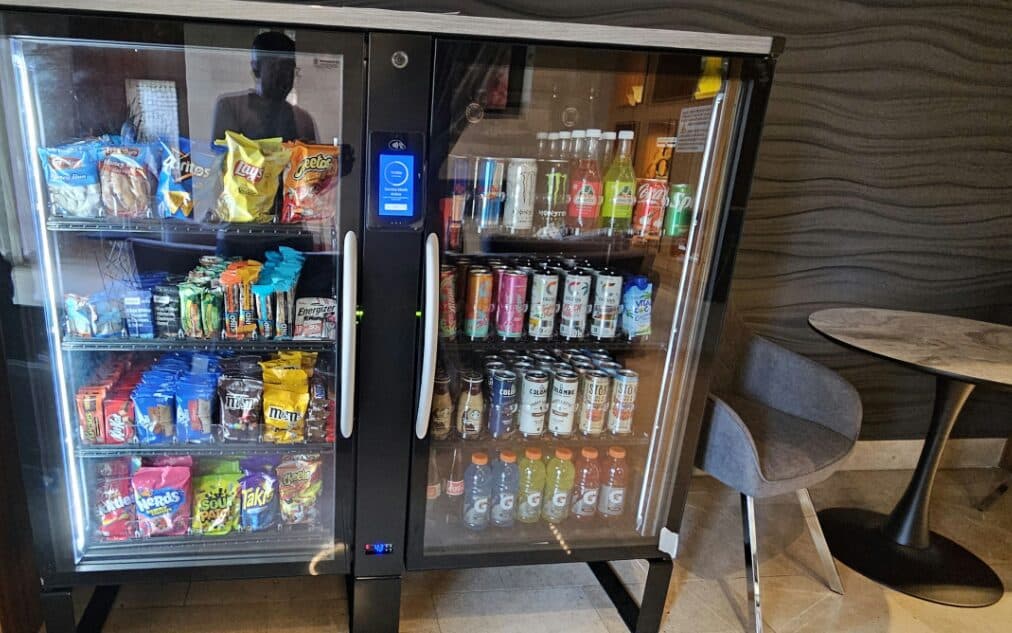
Micro-markets serve as a modern convenience store, blending vending, foodservice, and refreshment services. They typically feature open rack displays, refrigerated coolers or freezers, and self-checkout kiosks. Building owners can capitalize on these setups by offering tenants easy access to snacks and beverages, enhancing the overall experience without direct management. This hands-off approach allows property owners to earn passive income while providing valuable amenities that can improve tenant satisfaction and retention.
Revenue-Sharing Explained: How Building Owners Get Paid
Building owners earn revenue through lobby micro-markets by sharing a percentage of sales with service providers. This arrangement allows them to gain passive income without the need for direct management, enhancing financial returns effortlessly.
The Zero-Investment Advantage: Why Building Owners Pay Nothing Upfront
Building owners can leverage lobby micro-markets without any upfront investment, making this model financially attractive. The systems are designed to operate independently, meaning property owners can earn passive revenue without the need for direct involvement. Revenue-sharing agreements allow building owners to benefit from sales while the service provider manages inventory, maintenance, and customer support. This hands-off approach minimizes operational risks typically associated with traditional vending services.
Moreover, the absence of upfront costs means that building owners can enhance tenant satisfaction and property value without financial strain. As micro-markets continue to grow in popularity, with a reported forty-one percent increase in locations in 2023, this trend signals a lucrative opportunity for property owners. The convenience and variety offered by these micro-markets not only attract tenants but also foster community engagement within the building. With no initial investment, owners can focus resources on improving other aspects of their properties while enjoying a steady stream of passive income (Wikipedia).
No Equipment Costs or Installation Fees
Building owners can capitalize on lobby micro-markets without incurring equipment costs or installation fees. These systems operate on a revenue-sharing model, meaning property owners receive income without upfront investments. The technology is managed by service providers, ensuring a hassle-free experience. With no need for inventory management or maintenance, owners can enjoy passive revenue while enhancing tenant satisfaction through convenient access to food and beverages.
Who Covers Maintenance, Restocking, and Technology?
Building owners typically do not handle maintenance, restocking, or technology management for micro-markets. Instead, these responsibilities fall to the service provider. This arrangement ensures that property owners can enjoy passive income without the hassle of daily operations. The provider takes care of inventory management, technology updates, and any necessary repairs, allowing owners to focus on their primary responsibilities while benefiting from a seamless, hands-off revenue stream. This model enhances efficiency and tenant satisfaction in commercial properties.
How Revenue-Sharing Works: Earning Passive Income Without Lifting a Finger
Revenue-sharing models provide building owners with a streamlined approach to earn passive income from lobby micro-markets without the hassle of day-to-day operations. Typically, this is done according to a predetermined percentage that reflects each party's contribution, investment, or role in the venture. This structure not only incentivizes the service provider to enhance the micro-market's performance but also aligns the interests of all parties towards common business objectives.
With minimal management required, property owners can focus on other priorities while still benefiting from a reliable revenue stream. As micro-markets continue to grow in popularity, the potential for passive income through revenue sharing becomes increasingly attractive for building owners looking to enhance tenant satisfaction and overall property value (MemberSherpa).
Typical Revenue Split Percentages for Property Owners
Building owners typically engage in revenue sharing agreements that can vary significantly based on their partnership structure. Commonly, the revenue split can be equal, such as a 50-50 split, or reflect the contributions of each partner, like a 70-30 split. This flexibility allows property owners to negotiate terms that align with their investment and operational involvement. By establishing clear expectations around revenue distribution, both owners and service providers can create mutually beneficial arrangements that enhance profitability without additional management burdens.
Monthly Payments and Transparent Reporting
Building owners can benefit from a transparent revenue-sharing model with lobby micro-markets. This approach allows for regular distributions, often quarterly or annually, to stakeholders such as employees or investors. As a result, owners earn passive income without the day-to-day operational responsibilities.
The Fully Managed Service Model: What 'Hands-Off' Really Means
Building owners can significantly benefit from a fully managed service model, particularly through lobby micro-markets. This model means that property owners can generate passive income without the need for day-to-day operational involvement. Smart vending solutions and micro-markets are designed for minimal oversight, allowing owners to focus on other property management tasks while still enjoying a new revenue stream.
The implementation of micro-markets can enhance tenant satisfaction by providing easy access to fresh food and beverages. As illustrated by a case study, a manufacturing facility experienced improved employee morale and productivity after transitioning to a more suitable vending solution, which adapted to their workforce's changing needs. This shift not only addressed employee concerns but also strengthened the relationship between the facility and its food service operator (365 Retail Markets).
With the right technology, property owners can foster a convenient environment that caters to modern demands while reaping financial rewards. This hands-off approach to managing micro-markets represents a strategic opportunity for commercial spaces looking to enhance their offerings and boost profitability.
Automated Inventory Management and Smart Restocking
Automated inventory management and smart restocking systems ensure that micro-markets remain well-stocked, catering to tenant needs without requiring constant oversight. This technology minimizes stockouts and enhances operational efficiency, making it easier for building owners to generate revenue effortlessly.
24/7 Technical Support and Equipment Servicing
Building owners benefit from 24/7 technical support and equipment servicing, ensuring their micro-markets operate smoothly. This support minimizes downtime, enhances user experience, and guarantees an uninterrupted revenue stream, allowing owners to focus on broader property management.
Benefits Beyond Revenue: How Micro-Markets Add Value to Your Property
Integrating micro-markets into commercial properties offers numerous benefits beyond just revenue generation. For building owners, these self-service kiosks enhance tenant satisfaction by providing convenient access to food and beverages. This convenience can lead to increased tenant retention, as residents and employees appreciate having quality options readily available.
Moreover, properties equipped with modern amenities, including micro-markets, can command higher rents. According to a study by the National Apartment Association, properties with high-end amenities can charge rents that are up to fifteen percent higher than those without such features (ShootSpaces Indiana). This financial uplift underscores the significant value that micro-markets add to a property, making them an attractive investment for owners looking to increase both tenant satisfaction and overall property value.
In addition to enhancing tenant experience and boosting rental income, these micro-markets require minimal management. This hands-off model allows property owners to focus on other priorities while enjoying a steady stream of passive revenue. The combination of convenience, increased property value, and low operational demands makes micro-markets a compelling addition to any commercial space.
Enhanced Tenant Satisfaction and Retention
Lobby micro-markets significantly enhance tenant satisfaction and retention by providing convenient access to refreshments. This amenity fosters a sense of community, leading to higher resident loyalty and reduced turnover costs.
Competitive Amenity That Attracts Quality Tenants
Lobby micro-markets not only enhance tenant experience but also attract quality renters seeking convenience. By providing easy access to snacks and beverages, property owners can cater to the evolving preferences of today's tenants, particularly those in multifamily housing. As over 61% of Americans live in these environments, incorporating micro-markets can help meet the demand for modern amenities. This strategic addition can significantly boost tenant satisfaction and retention, ultimately leading to increased occupancy rates.
Conclusion: Turning Unused Lobby Space Into a Passive Income Stream
Building owners can transform unused lobby space into a passive income stream through the implementation of micro-markets. These self-service kiosks provide tenants with convenient access to snacks and beverages, generating revenue without the need for daily management. As a hands-off solution, micro-markets allow property owners to benefit financially while focusing on other priorities.
The integration of smart technology enhances the appeal of these markets. With cashless payment options and real-time inventory management, owners can ensure a seamless experience for users. The micro-market model has seen a remarkable growth rate, with locations increasing by forty-one percent in 2023 alone. This trend highlights the rising demand for convenient food options in commercial spaces, making it an attractive investment for building owners (Wikipedia). By capitalizing on this trend, property owners can not only improve tenant satisfaction but also create a sustainable revenue stream that contributes to their overall financial health.
Frequently Asked Questions
What types of products are typically offered in lobby micro-markets?
Lobby micro-markets usually stock a variety of snacks, beverages, and fresh food options, ranging from healthy items to indulgent treats, ensuring diverse consumer preferences are met.
How do building owners choose a service provider for their micro-market?
Building owners should evaluate service providers based on experience, technology offerings, revenue-sharing models, and customer support to ensure they partner with a reliable and effective operator.
What technology is used to manage lobby micro-markets?
Lobby micro-markets utilize automated inventory management systems, smart restocking technology, and cashless payment options to enhance efficiency and user experience, requiring minimal oversight from property owners.
How quickly can building owners expect to see revenue from micro-markets?
Revenue from micro-markets can begin within weeks of installation, although it may take a few months to stabilize as tenant usage patterns develop and sales volume increases.
Are there any ongoing fees associated with operating a lobby micro-market?
While there are typically no upfront costs, building owners may encounter ongoing fees related to the revenue-sharing model, depending on the agreement with the service provider.