How Micro Market Vending Machines Increase Foot Traffic Value in Commercial Solutions
How open-concept micro markets increase dwell time, impulse purchases, and foot traffic value in offices and apartment lobbies compared to vending machines.
Introduction to Micro Markets
Micro markets boost foot traffic value 3x in Eugene offices and lobbies via open-concept shelving, fresh foods, and self-checkout kiosks. They increase dwell time, impulse buys, and tenant satisfaction compared to traditional vending. Modern Amenities offers hands-off revenue-share models with zero upfront costs, handling installation, restocking, and data-driven optimization for 50-200 daily users.
Are you watching foot traffic flow through your Eugene office or apartment lobby without generating real revenue? Visitors linger but skip impulse buys due to outdated vending options. This article reveals how micro market vending machines boost dwell time and sales, delivering up to 3x the revenue per visitor compared to traditional setups.
The traditional breakroom is changing. Employees and tenants expect more than a dusty machine dispensing stale chips. They want fresh food, healthy options, and a retail experience that feels modern. This is where micro markets come in. They transform empty corners into vibrant, self-service convenience stores right inside your building.
For property managers, this isn't just about snacks. It is about upgrading your amenities to keep people on-site and happy. The concept is simple, but the impact on tenant satisfaction is significant.
What Are Micro Market Vending Machines?
Unlike standard vending machines that lock products behind glass and coils, micro markets use an open-concept layout. They look and feel like a small market you might find on a street corner, but they fit inside an office breakroom or apartment lobby.
Key features include:
- Open shelving and racks for dry goods like chips, nuts, and bars
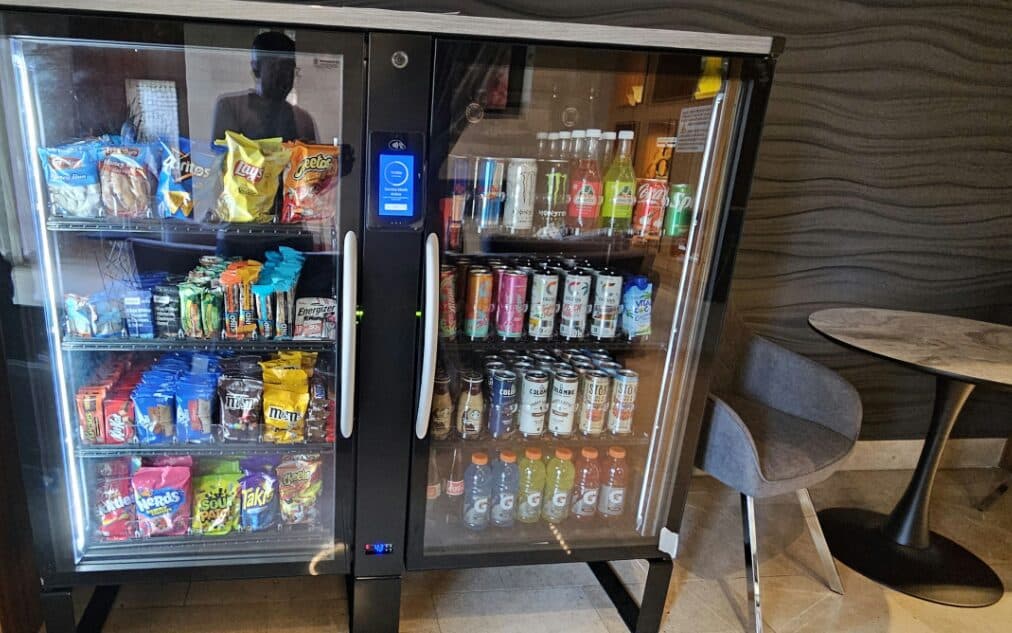
- Glass-front coolers stocking fresh salads, sandwiches, yogurts, and beverages
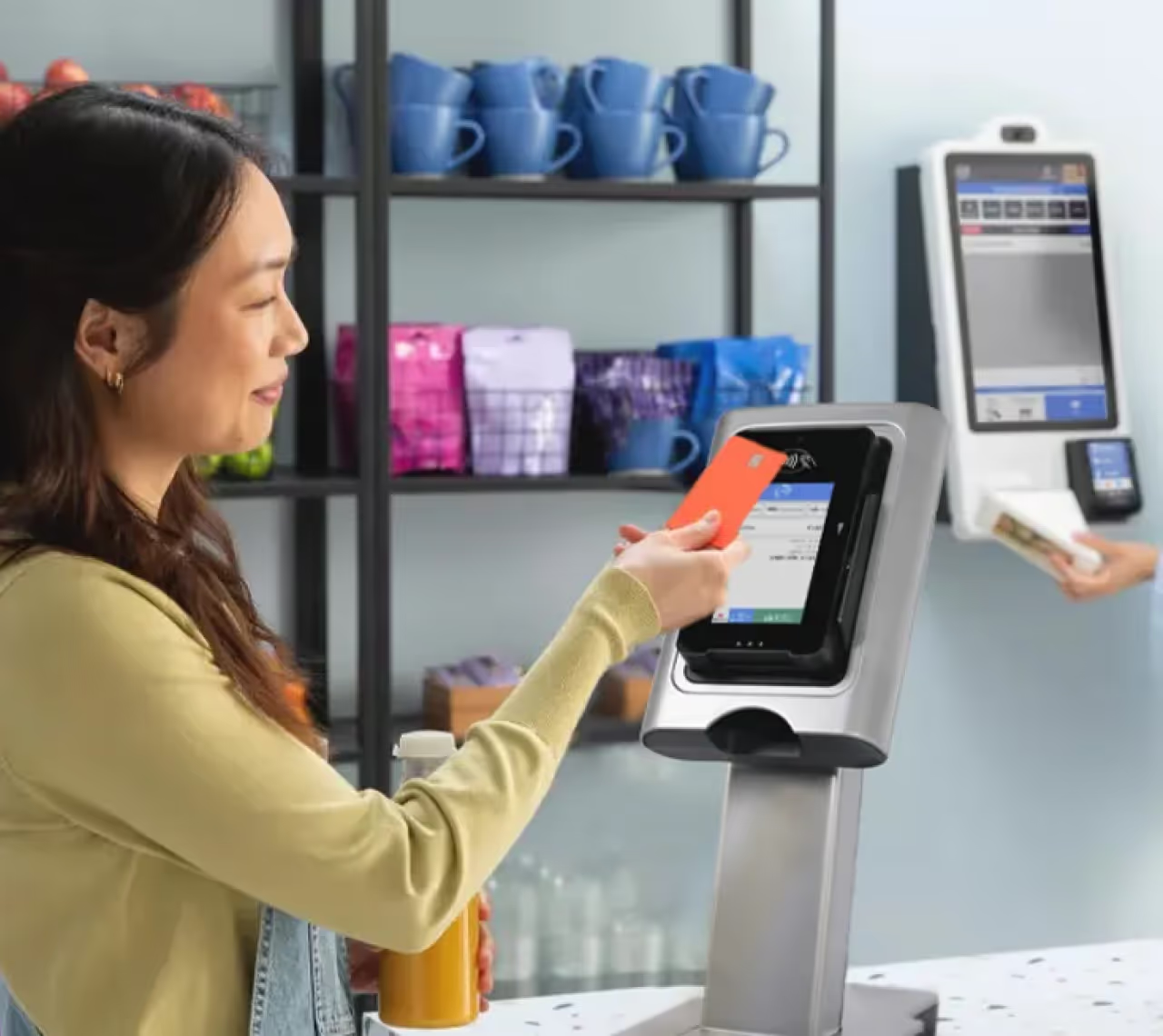
- Self-checkout kiosks that accept credit cards, mobile payments, and employee accounts
- 24/7 operation without the need for staffing
This setup removes the barrier between the customer and the product. Users can pick up an item, read the nutritional label, and check freshness before they buy.
Understanding Foot Traffic Value in Commercial Spaces
Foot traffic value is not just about how many people walk through a door. It measures how people interact with a space and how much value they derive from being there. In commercial real estate, high-value foot traffic means tenants stay longer, engage more with the facility, and perceive the building as a premium location.
When you add high-quality amenities, you turn a transient space into a destination. A lobby becomes a meeting spot. A breakroom becomes a recharge zone. This increases the "stickiness" of your property. Tenants are less likely to look for new leases if their current building offers convenient perks that save them time and make their daily routine easier.
How Micro Markets Increase Foot Traffic Value
Micro markets act as a magnet for employees and residents. By offering a wider variety of products than traditional vending, they draw people in from different parts of the building. This creates a central hub of activity.
Here is why they work:
- Wider product variety attracts diverse groups, not just snackers
- Convenient locations keep employees on-site for lunch and breaks
- Enhanced visual appeal makes the common area look upscale and inviting
When people can get a full meal or a healthy snack without leaving the building, they utilize the common spaces more frequently. This increased utilization signals a healthy, active building environment to prospective tenants and visitors.
Boosting Dwell Time and Impulse Purchases
When customers can physically handle products, they buy more. It is the same psychology used in grocery stores. The ability to browse encourages people to linger in the space rather than grabbing a soda and rushing back to their desks.
This "supermarket-like browsing experience" directly increases dwell time and leads to higher sales volume through impulse buys. The open layout invites exploration, which turns a quick trip into a valuable break.
Attracting Repeat Visitors Through Convenience
Habit is a powerful driver of foot traffic. If a tenant knows they can get a fresh turkey sandwich or a specific energy drink every day at 10 AM, they will return consistently.
This reliability builds a routine. The market becomes an essential part of their day, cementing the value of the building's amenities in their daily life.
Leveraging Data for Targeted Revenue Growth
Modern micro markets run on smart technology that tracks every sale. This data helps operators understand exactly what people want.
Data benefits include:
- Sophisticated inventory control that anticipates buying patterns
- Real-time tracking to trigger automatic restocking trips
- Sales optimization that minimizes spoilage of fresh food
By stocking exactly what the specific building population wants, the market remains relevant and highly trafficked.
How Micro Market Vending Machines Work
The process is designed to be frictionless. There are no barriers, no stuck coils, and no eating money. It relies on a trust-based system backed by security technology.
The typical user flow:
- Browse: The customer walks up, opens the cooler, and picks out a salad and a drink.
- Scan: They bring the items to the self-checkout kiosk and scan the barcodes.
- Pay: They pay with a credit card, phone, or market account finger-print.
- Go: They leave with their items immediately.
This speed is crucial for busy office environments where time is money.
Core Components and Technology
The system relies on a few critical pieces of hardware and software to function smoothly. It is not just a fridge; it is a connected retail point.
Essential components:
- Self-serve kiosks with intuitive touchscreens
- Commercial coolers with health-lock safety features
- 24/7 monitoring systems to track inventory levels
- Security surveillance to deter theft in the open environment
These elements work together to create a secure, automated retail experience.
Fully Managed Setup and Operations
For facility managers, the best part is the lack of effort required. The entire operation is outsourced.
Companies like Modern Amenities handle the design, the technology, the food stocking, and the cleaning. You provide the power and internet, and they handle the rest.
Revenue-Sharing Model with No Upfront Costs
Most smart vending and micro market providers operate on a revenue-share basis. This means the building owner pays zero dollars for the equipment or installation.
Instead, the operator takes on the financial risk. They install the market for free and share a percentage of the gross sales with the location. It turns a passive space into a profit center without touching your capital improvement budget.
Best Practices for Implementation
Success depends on putting the market in the right place with the right population. Not every building is a candidate for a full open-concept market.
Key requirements:
- Population size: You typically need 50 to 200 daily users to support fresh food.
- Security: The location must be semi-secure, like an employee breakroom.
- Power and Data: You need dedicated electrical outlets and a solid internet line.
Meeting these criteria ensures the market stays profitable and well-stocked.
Strategic Placement in Offices and Lobbies
Location is everything. Micro markets thrive in controlled environments like corporate offices, manufacturing breakrooms, and secure student housing lounges.
They are generally not suitable for open public lobbies with high transient traffic due to theft risks. In those cases, smart vending machines with locked doors are a better choice. The goal is to place the market where people naturally congregate but where access is restricted to known tenants or employees.
Curating Products for Local Preferences
The main advantage of a micro market over a vending machine is the ability to sell real food. You must leverage this to keep foot traffic high.
According to industry data, micro markets excel because they offer "fresh food items, healthy options like salads, fruits, sandwiches" (fivestarbreaktime.com). If you only stock chips and soda, you are wasting the format's potential. Tailor the mix to the specific tastes of your building's demographics.
Integrating with Building Management Systems
For a smooth operation, the market needs to mesh with your building's infrastructure. This means planning for electrical loads and network security early.
Integration points:
- Network: Ensure the kiosk can bypass strict corporate firewalls to process payments.
- Access: If the room is locked, ensure the restocking drivers have keycard access.
- Layout: Design the space so the market flow doesn't block emergency exits or walkways.
Common Mistakes to Avoid
Even with a managed service, things can go wrong if the initial setup is flawed. Avoiding these pitfalls protects your revenue and your space.
Watch out for these errors:
- Placing in unsecured areas: High theft will force the operator to close the market.
- Ignoring population minimums: A market for 20 people will result in spoiled fresh food.
- Poor internet connection: If the kiosk goes offline, you cannot make sales.
- Overlooking space needs: You need room for the coolers to vent and for people to stand in line.
Why Modern Amenities Excels in Eugene and Beyond
Modern Amenities brings a specialized focus to this industry. While national competitors offer generic solutions, Modern Amenities provides a tailored approach for offices, apartments, and student housing.
They excel because they understand the balance between technology and service. Their model is 100% hands-off for the client. From the initial design to the daily restocking of fresh local favorites, they manage the entire lifecycle. With no upfront costs and a transparent revenue-sharing model, they turn underutilized space into a premium amenity that tenants actually value.
Conclusion
Micro markets are a powerful tool for increasing the value of commercial spaces. They increase dwell time, improve tenant satisfaction, and modernize the look of your facility. By moving away from old-school vending and embracing open-concept retail, building managers can create a community hub that pays for itself. With the right partner and strategic placement, a micro market becomes more than just a place to buy lunch; it becomes a key asset in your building's amenity portfolio.
Frequently Asked Questions
What is the average revenue share percentage for micro markets?
Building owners typically receive 20-30% of gross sales in revenue-sharing models, with no upfront costs for equipment or installation. This varies by provider and location volume.
How much space do micro markets require in a breakroom?
Micro markets need 100-200 square feet, including room for open shelving, coolers, kiosk, and customer browsing space. Ensure proper ventilation and clear pathways to avoid overcrowding.
What security measures prevent theft in micro markets?
Kiosks use RFID tags, weight sensors, and cameras to detect unpaid items, with remote alerts to operators. Fingerprint or card-linked accounts add accountability in controlled environments.
How often are micro markets restocked?
Restocking occurs 3-5 times weekly, based on real-time sales data to maintain freshness, especially for perishables like salads and sandwiches. Operators handle all logistics.
Can micro markets integrate with employee badge systems?
Yes, they connect to badge or keycard systems for seamless account charging, eliminating cash needs. This boosts convenience and tracks usage for personalized inventory adjustments.