How to Install a Micro Market Vending Machine: Requirements, Cost & Space Guide
Space, cost, and permit requirements for installing a micro market vending machine, plus a step-by-step guide to revenue-share installation with zero upfront cost.
What Is a Micro Market Vending Machine?
Install micro market vending machines in Eugene offices using 3-5 ft wall space and zero-upfront revenue-share models. Providers handle equipment, installation, restocking, saving $10,000-$30,000 upfront while boosting sales 300% over traditional vending. Requires power, internet, ADA compliance, health permits. Follow site survey, partner selection, install, launch steps for 12-24 month ROI. Enhances employee satisfaction with fresh food access.
Struggling to upgrade your Eugene office, apartment lobby, or break room with fresh food options without dealing with tight spaces, steep upfront costs, or complex setups? Traditional vending just doesn't cut it anymore. This guide breaks down exact space needs, cost options including zero-upfront revenue-share models, legal requirements, and a step-by-step installation process to get you launched fast. Micro markets boost revenue by up to 300% over standard machines.
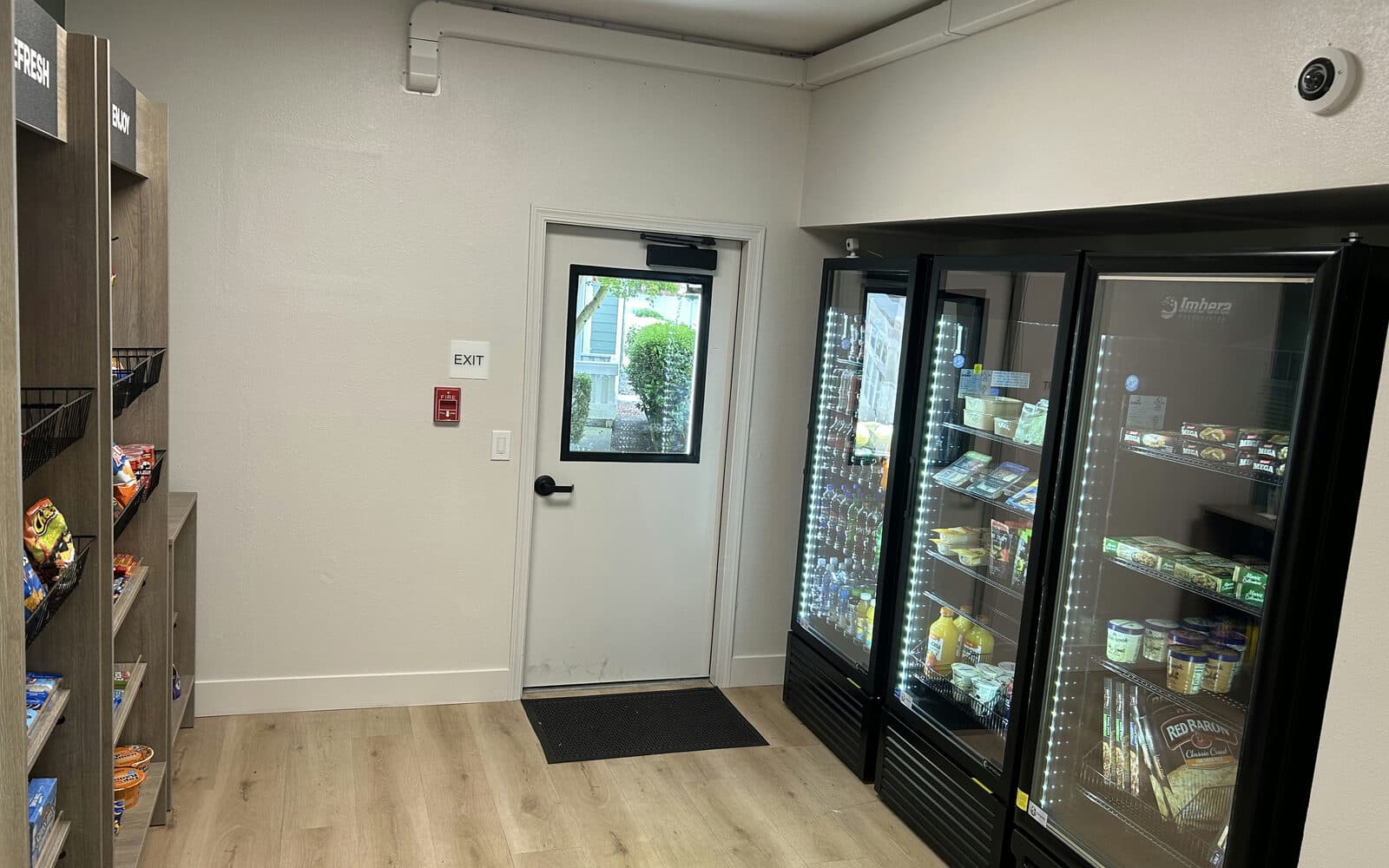
A micro market is essentially a miniature convenience store located right inside your office, apartment building, or lobby. Unlike traditional vending machines that lock products behind glass and coils, micro markets use open shelving and glass-front coolers. This allows customers to physically pick up products, read nutritional labels, and check freshness before buying.
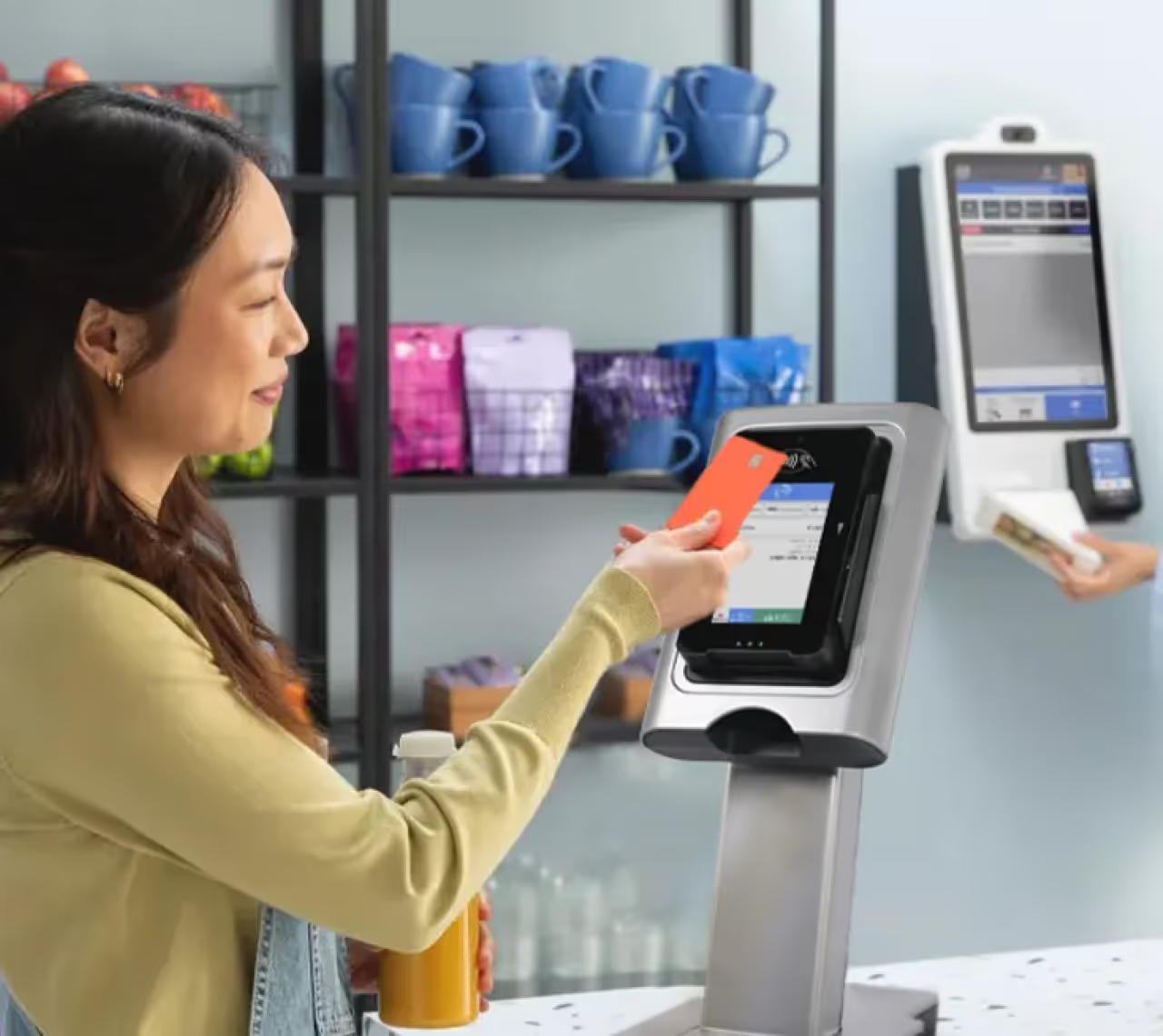
The checkout process is handled by a self-service kiosk. Users scan their items, pay with a card or mobile wallet, and go. It creates a modern, retail-style experience in a small footprint.
Key Benefits for Offices, Apartments, and Lobbies
Installing a micro market does more than just feed people; it upgrades the entire facility. For office managers, it keeps employees on-site during breaks, fostering collaboration and saving time. For apartment complexes, it serves as a premium amenity that adds value for residents who need a quick snack or drink without driving to a store.
The variety is also superior to old-school vending. You can offer fresh salads, sandwiches, yogurt, and premium beverages that wouldn't fit or survive in a coil machine.
Space Requirements: Finding the Right Fit
Many facility managers worry they don't have enough room for a market, but these systems are highly adaptable. You don't need a dedicated cafeteria space. A micro market can be scaled down to a single cooler and a snack rack, or expanded to fill an entire wall.
The most critical factor isn't just square footage, but utility access. You need reliable power sources for the coolers and the kiosk, plus a strong internet connection (wired or cellular) for payment processing.
Minimum Dimensions and Layout Essentials
You can fit a functional micro market into surprisingly tight spots. A basic setup might only require about 3 to 5 feet of wall space. The layout typically includes one cooler, one dry rack, and a small payment kiosk.
Micro markets are designed for smaller spaces, fitting easily into breakrooms, lobbies, or hallways (365retailmarkets.com). The key is ensuring there is enough clearance for cooler doors to open fully without blocking foot traffic.
High-Traffic Location Tips
Placement makes or breaks your market's success. You want the installation in a zone where people naturally congregate or pass through.
Best locations include:
- Main Breakrooms: The most obvious choice for offices.
- Lobby Entrances: Ideal for apartment buildings.
- Near Elevators: Captures high foot traffic.
Avoid tucking the market into a back corner or a rarely used conference room. If people can't see it, they won't use it.
Accessibility and Flow Optimization
Your market must be usable by everyone. This means adhering to ADA compliance standards. Ensure the kiosk screen and card reader are at an accessible height for wheelchair users.
Aisle width is also important. You need enough room for someone to browse the shelves while another person walks by. A good rule of thumb is to keep at least 36 to 48 inches of clear floor space in front of the equipment.
Cost Breakdown: From Startup to Revenue Share
The cost to install a micro market depends entirely on the business model you choose. If you decide to purchase and manage the equipment yourself, the capital expenditure is significant. You would pay for the kiosk technology, coolers, shelving, and security cameras.
However, most businesses opt for a managed service model. In this scenario, a provider like Modern Amenities handles the investment. You provide the space and electricity, and the provider covers the equipment and installation costs.
Upfront Investment Options (Including Zero-Cost Models)
If you buy the equipment outright, expect to spend between $10,000 and $30,000 depending on the size and technology. This gives you full control but high risk.
Alternatively, the zero-cost model is popular for a reason. Companies like Modern Amenities install the market for free. There are no setup fees, no equipment costs, and no design fees. The provider makes money through sales, and often shares a percentage of that revenue with you.
Ongoing Fees and Maintenance
Ownership comes with hidden costs. If you own the machines, you pay for:
- Credit card processing fees (usually 3-5%)
- Kiosk software subscriptions
- Repairs and parts
With a full-service partner, these expenses are not your problem. The provider handles restocking, software updates, and cooler repairs. Your only ongoing cost is the electricity to run the fridges and internet bandwidth.
Projected ROI and Break-Even Timeline
For the self-purchase model, the break-even point usually hits around 12 to 24 months, assuming steady sales volume. You need high traffic to justify the initial cash outlay.
In a revenue-share model, your ROI is immediate. Since your upfront investment is zero, the first check you receive from the revenue share is pure profit. This makes the managed model financially safer for most facilities.
Legal and Permitting Requirements in the US
Before you plug anything in, you must navigate local regulations. Micro markets are technically food establishments, even if they are unattended.
Common requirements include:
- Health Department Inspection: Local officials may need to approve the layout and temperature monitoring systems.
- Business License: Standard operating requirement.
- Vending Permits: Some cities require specific decals for each machine or kiosk.
Most modern kiosks have automatic "health locks." If a cooler's temperature rises above a safe limit (usually 41°F), the kiosk automatically prevents users from buying perishable items from that specific cooler. This feature is often required by health codes to prevent foodborne illness.
Step-by-Step Installation Guide
Getting a micro market up and running is a straightforward process when you break it down. It usually takes a few weeks from the initial site survey to the grand opening, depending on equipment availability.
Here is the general workflow for a successful installation.
Step 1: Assess and Plan Your Space
Start by measuring your available wall space. Note the location of electrical outlets and ethernet ports. You will need dedicated circuits for the coolers to prevent tripping breakers.
Take photos of the area to share with your potential provider. Identify any potential obstacles like low-hanging vents, thermostats on the wall, or uneven flooring that might need leveling.
Step 2: Select Equipment and Partner
Decide if you want to buy or partner. If you choose a partner, look for one that offers turnkey solutions. They should handle the layout design and equipment selection based on your employee count or building occupancy.
Review the contract terms. Look for details on restocking frequency, revenue sharing percentages, and service response times.
Step 3: Prepare and Install
Once the design is approved, clear the space. You might need to have an electrician install new outlets if your current ones are too far away.
On installation day, the team will deliver the coolers, assemble the racks, and mount the kiosk. They will connect the system to the internet and bolt down any fixtures if required for safety or seismic stability.
Step 4: Stock, Test, and Launch
The final physical step is merchandising. The route driver will fill the shelves with snacks and the coolers with drinks and fresh food.
Before opening, test the kiosk. Run a few transactions to ensure credit cards process correctly and the scanner reads barcodes. Once confirmed, send out an email or flyer to tenants announcing the new amenity.
How Micro Market Vending Machines Work
The technology behind these markets is smart but simple for the user. It relies on a central kiosk that acts as the cashier.
The process works like this:
- Browse: The customer opens the cooler or checks the rack and picks what they want.
- Scan: They bring the items to the kiosk and scan the barcodes.
- Pay: They pay using a credit card, employee badge, or mobile app.
- Go: They leave with their items.
Security is handled through cameras and account tracking. Since users often create accounts or use credit cards, theft is generally much lower than in traditional retail environments.
Best Practices for Long-Term Success
To keep your micro market profitable and popular, you need to keep it interesting. A stagnant menu leads to bored customers.
- Rotate Products: Switch out slow sellers for new trends. If energy drinks are hot, stock more of them.
- Request Feedback: Put a suggestion box (or a digital one) near the kiosk.
- Keep it Clean: A dirty market kills appetite. Ensure the provider cleans the glass and dusts the shelves regularly.
- Promotions: Run "Happy Hour" discounts or bundle deals to drive sales during slow periods.
Common Installation Mistakes to Avoid
Even with a good plan, things can go wrong. Avoiding these pitfalls saves time and money.
Watch out for these errors:
- Poor Internet Connection: If the kiosk goes offline, you can't sell anything. Cellular backups are highly recommended.
- Blocking Vents: Coolers generate heat. If you push them tight against a wall without airflow, they will fail.
- Ignoring Demographics: Don't stock sugary sodas in a gym lobby, and don't stock only kale chips in a truck driver breakroom. Match the product to the people.
Why Choose Modern Amenities for Your Micro Market
Modern Amenities specializes in taking the hassle out of this process. We focus on fully managed, zero-cost installations. We design the layout, provide the smart coolers and kiosks, and handle all the restocking and maintenance.
Our model is built on revenue sharing. We partner with you to create a profitable amenity for your space without requiring you to spend thousands of dollars upfront. We serve offices, apartments, and student housing with technology that just works.
Frequently Asked Questions
How long does it take to install a micro market vending machine?
Installation typically takes 2-4 weeks from site survey to launch, including planning, equipment delivery, and testing. Providers like Modern Amenities handle the timeline efficiently for minimal disruption.
What revenue share percentage can I expect from a micro market?
Revenue shares commonly range from 20-40% for the location owner in managed models, based on sales volume and contract terms. This varies by provider and traffic levels.
Are micro markets secure against theft?
Yes, security features include HD cameras, user account tracking via cards or apps, and weight sensors on shelves that alert for discrepancies. Theft rates average under 1% of sales.
What types of products perform best in micro markets?
Top sellers include fresh sandwiches (25% of sales), energy drinks (20%), yogurt, salads, and protein bars. Tailor to demographics for 15-20% higher revenue.
Do micro markets require special electricity setup?
They need 20-amp dedicated circuits for coolers to avoid overloads, plus standard outlets for kiosks. Expect $500-1,500 for electrician upgrades if outlets are insufficient.