How to Maintain and Restock a Student Housing Micro-Market (Without Staff)
How to keep a student housing micro-market stocked without staff, using remote inventory monitoring, automated restocking, and cashless self-checkout technology.
Introduction: The Rise of Staffless Micro-Markets in Student Housing
Staffless micro-markets in student housing enhance convenience and engagement, with campuses reporting a 30% increase in student satisfaction. Utilizing technology for remote inventory monitoring, cashless payments, and automated restocking ensures efficient operations. A well-managed micro-market can generate around $1,000 weekly, with profit margins significantly higher than traditional vending. As student enrollment rises, the demand for these automated solutions will grow, making them essential for modern student living.
Are you struggling to keep your student housing micro-market stocked and appealing without the hassle of staff? This article reveals how you can effectively maintain and restock your micro-market using cutting-edge technology and management solutions, allowing for a seamless autonomous operation. In fact, campuses that adopt staffless micro-markets report a 30% increase in student engagement and satisfaction, making it a solution worth exploring.
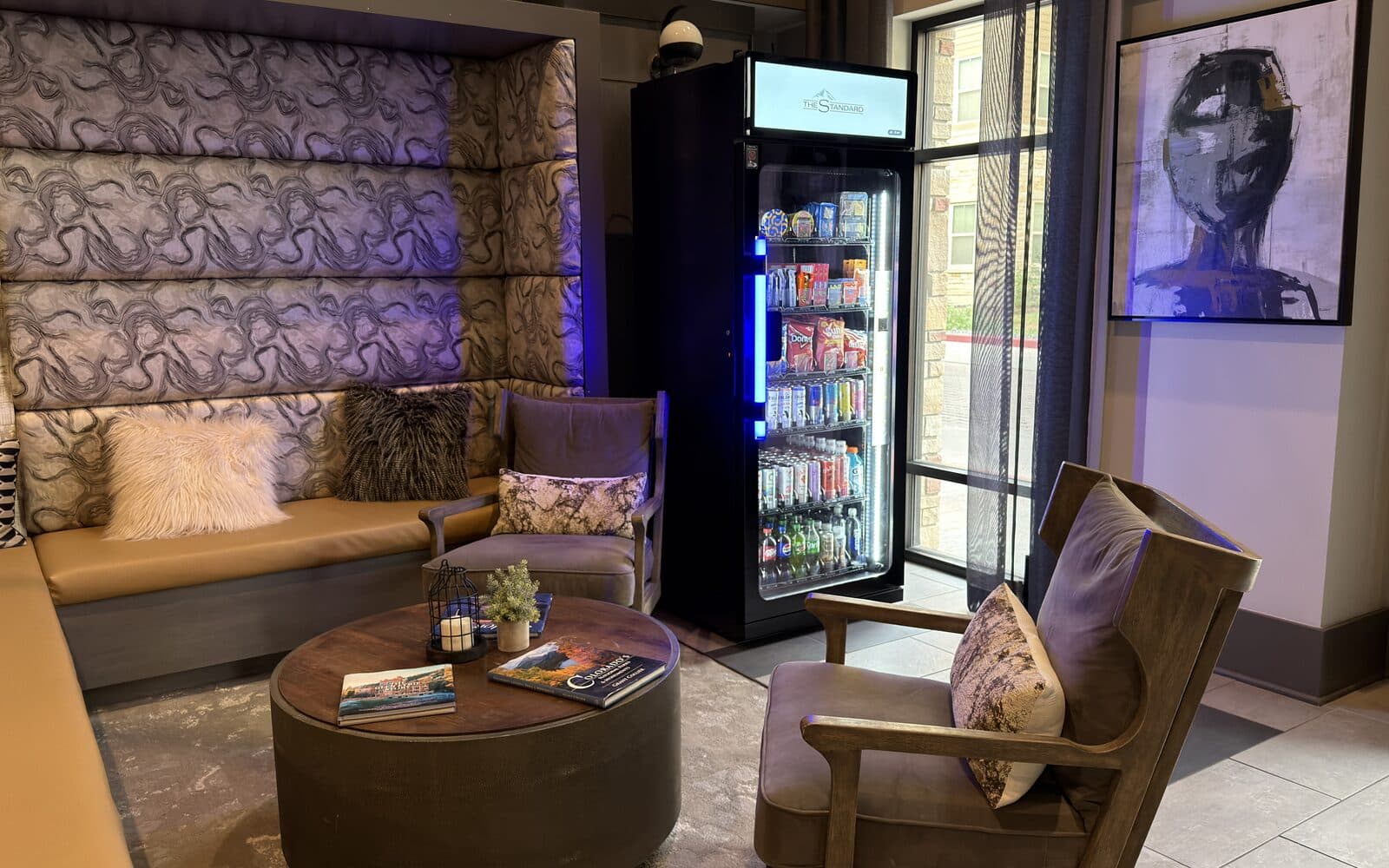
The concept of staffless micro-markets is gaining traction in student housing, transforming how residents access food and beverages. These automated retail spaces offer convenience and variety, catering to the fast-paced lifestyles of students. With features like self-checkout kiosks and 24/7 availability, micro-markets eliminate the need for on-site staff, allowing for seamless transactions.
The North America micro market size was valued at USD 3,950.4 million in 2022 and is anticipated to grow at a compound annual growth rate (CAGR) of 13.0% from 2023 to 2030 (Grand View Research). This growth reflects a broader trend in modern student housing, where smart living features, such as automated climate control and high-speed internet, are becoming standard.
Operators of these micro-markets have reported significant increases in engagement, with 18% more visits per week compared to traditional vending locations. Each visit generates approximately 1.2 sales, highlighting the effectiveness of these setups in meeting the needs of students. By integrating technology and convenience, staffless micro-markets not only enhance the living experience but also contribute to the evolving landscape of student accommodations.
As these markets continue to expand, they represent a practical solution for both students and housing providers, offering a modern approach to food service that aligns with the demands of contemporary lifestyles.
Choose a Fully Managed Micro-Market Provider (Modern Amenities)
Choosing a fully managed micro-market provider is essential for maximizing revenue and efficiency in student housing. These providers take care of everything from installation to restocking, allowing property managers to focus on other priorities. A well-managed micro-market can generate significant income, with the average operator making $1,000 per week at larger locations with over 125 potential customers.
Moreover, micro-markets offer a higher profit margin compared to traditional vending machines, returning about 17% in profits versus a mere 1.15% for older models. This transformation in automated retail not only enhances convenience for students but also ensures that property owners benefit from increased revenue without the hassle of daily management (Nayax). By selecting a reliable provider, student housing facilities can create a seamless shopping experience while optimizing their operational efficiency.
Why Modern Amenities Leads the Category
Micro-markets in student housing are redefining convenience by providing seamless access to food and beverages without the need for staff. This model allows for efficient restocking and maintenance, leveraging technology to automate processes. Operators can track inventory levels in real-time, ensuring popular items are always available. Additionally, the hands-free nature of these markets reduces overhead costs, making them a financially viable option for property managers. The appeal lies in their ability to adapt to student needs while enhancing the living experience.
Remote Inventory Monitoring and Automated Restocking
Remote inventory monitoring and automated restocking are essential for efficient micro-market management in student housing. Utilizing advanced software, operators can track inventory levels in real-time, reducing the likelihood of stockouts. Automated systems can also trigger restocking orders when items fall below preset thresholds, ensuring that popular products remain available. This hands-off approach enhances the shopping experience while minimizing manual labor and oversight.
Utilize Cashless Payment and Self-Checkout Technology
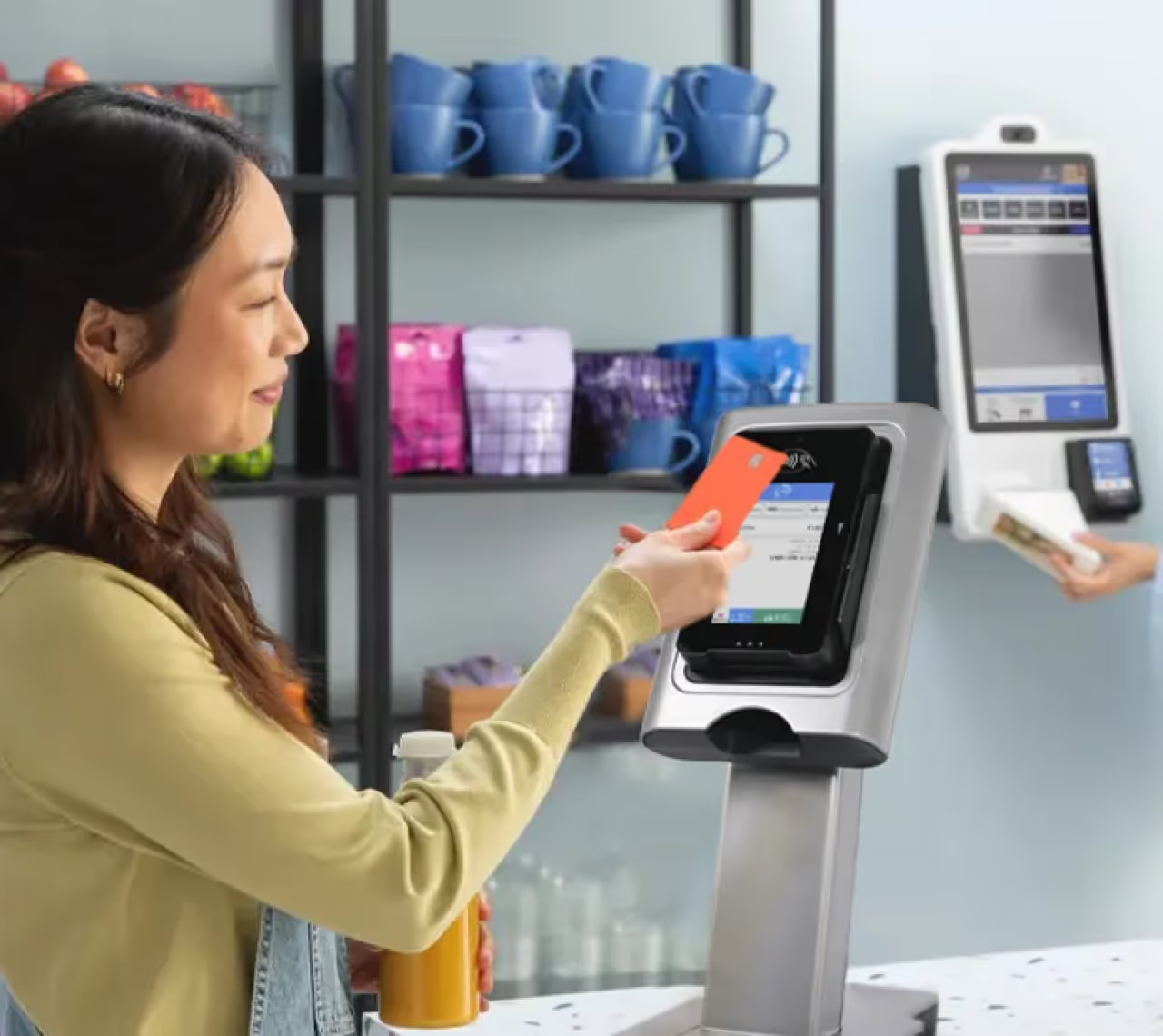
Utilizing cashless payment and self-checkout technology is essential for the success of micro-markets in student housing. These innovations streamline the purchasing process, catering to the preferences of today's digital-savvy students. With the rise of cashless transactions, it's evident that consumers are shifting towards digital payments. In fact, 70% of consumers prefer using digital payments over cash, and this trend is particularly pronounced among Millennials and Gen Z, with 83% favoring cashless transactions (Aurency).
Self-checkout options further enhance user experience, allowing students to make quick purchases without the need for staff assistance. Recent studies indicate that 73% of consumers would choose self-service checkout if the option was provided. This preference aligns with the growing demand for convenience and efficiency in retail environments. Additionally, roughly 84% of consumers prefer self-checkout to traditional registers, highlighting the significant shift towards automation in the retail sector (Invue). By implementing these technologies, micro-markets can not only improve customer satisfaction but also increase operational efficiency, making them an ideal solution for modern student housing.
Contactless Payment Integration
Contactless payment integration simplifies transactions in student housing micro-markets. Utilizing mobile wallets and RFID technology, students can quickly purchase items without cash or cards. This convenience enhances user experience, reduces wait times, and encourages repeat purchases, making it a vital feature for successful automated retail environments.
Secured Access Systems to Prevent Theft
Secured access systems are essential for minimizing theft in staffless micro-markets. These systems can include biometric scanners, RFID technology, and advanced surveillance cameras. By integrating these technologies, operators can monitor transactions in real-time and restrict access to authorized users only.
Effective security measures not only deter potential theft but also create a safe shopping environment for students. As Mac Bolak, founder and CEO of Panoptyc, pointed out, the biggest challenges for micro-market operators often revolve around theft and inadequate labor resources to address it effectively.
Establish Scheduled Remote Restocking Protocols
Establishing scheduled remote restocking protocols is essential for maintaining a student housing micro-market. These protocols ensure that popular items are consistently available, enhancing customer satisfaction and driving sales.
By utilizing a reliable vending management system (VMS), operators can monitor inventory levels in real-time, allowing for efficient restocking without the need for on-site staff. This system can save up to fifteen minutes per machine serviced and reduce unnecessary product returns on trucks. Furthermore, effective product merchandising can lead to an increase in sales by up to fifteen percent while decreasing product spoilage by thirty percent. Implementing these strategies creates a seamless shopping experience for students, promoting the micro-market's success.
Coordinating Access with Campus Security
Coordinating access with campus security is essential for ensuring the safety of student housing micro-markets. By establishing clear protocols and communication channels, operators can swiftly address any security concerns and maintain a secure shopping environment for residents.
Leverage Cloud-Based Management Platforms
Cloud-based management platforms have revolutionized the operation of micro-markets in student housing. These platforms streamline inventory management, sales tracking, and customer engagement, making it easier for operators to maintain and restock without needing on-site staff. By centralizing data, operators can quickly assess stock levels and sales trends, enabling timely replenishment.
For instance, operators can automate alerts for low inventory, ensuring that popular items remain available for students. This efficiency not only enhances customer satisfaction but also boosts revenue. As Staci Thornton Ryan, founder of Convenience Brigade, noted,
"Gone are the days that it is necessary to log into multiple VMS platforms"
This shift toward integrated solutions allows operators to focus on strategic growth, rather than the day-to-day challenges of management. Adopting a cloud-based system can significantly reduce operational burdens, ultimately leading to a more profitable and sustainable micro-market model in student housing. The North American micro-market sector is expected to grow at a compound annual growth rate of 13.0% from 2023 to 2030 (Grand View Research).
Centralized Dashboard for Multi-Location Oversight
A centralized dashboard is vital for managing multiple micro-markets in student housing. It allows operators to monitor inventory levels, sales data, and customer preferences in real-time. This technology streamlines restocking processes, ensuring popular items are always available. By analyzing trends, operators can adjust offerings to meet student demands, enhancing overall satisfaction and efficiency without needing on-site staff.
Automated Reporting and Performance Analytics
Automated reporting and performance analytics are essential for managing a staffless micro-market in student housing. These systems track sales, inventory levels, and customer preferences in real time. By analyzing this data, operators can optimize product offerings and ensure timely restocking, enhancing overall efficiency and profitability.
Integrate Student Feedback and Product Customization Tools
Integrating student feedback into micro-market offerings is essential for ensuring satisfaction and engagement. Regular surveys or feedback forms can help identify popular products and areas for improvement. This insight allows for tailored product selections that align with student preferences.
Incorporating customization tools can enhance the shopping experience. For instance, allowing students to suggest new items or vote on potential additions fosters a sense of community and ownership. As health trends evolve, it's crucial to adapt offerings accordingly; in March 2023, the World Economic Forum found that 50% of Americans actively try to eat more healthy food (Nayax). This indicates a growing demand for healthier options, which can be addressed through collaborative decision-making processes. By prioritizing student input, micro-markets can remain relevant and appealing to their target audience.
Digital Feedback Systems and Product Requests
Digital feedback systems play a crucial role in maintaining and restocking student housing micro-markets. They enable operators to gather real-time data on product performance and resident preferences. This insight allows for efficient inventory management, ensuring popular items remain in stock while minimizing waste from less favored products.
Seasonal and Dietary Preference Adjustments
Adjusting a micro-market's offerings based on seasonal and dietary preferences is essential for maximizing student satisfaction. Operators can rotate products to feature seasonal favorites, like pumpkin spice in the fall or light snacks in summer. Additionally, incorporating options for various dietary needs, such as gluten-free or vegan items, ensures inclusivity and keeps the inventory relevant and appealing to all residents.
Conclusion: The Future of Autonomous Retail in Campus Environments
The future of autonomous retail in campus environments looks promising, fueled by the increasing demand for convenience among students. As total undergraduate enrollment is projected to rise by nine percent, reaching 16.8 million students by fall 2031, the need for efficient food and beverage solutions becomes more critical (McKinsey).
With a limited increase in purpose-built off-campus housing, the introduction of micro-markets can effectively address the growing student population's needs. Industry analysts predict that another 30,000 micro-markets will launch in the next five years, reflecting a significant shift towards automated retail solutions that cater to the evolving preferences of students. This trend not only enhances the consumer experience but also offers operational efficiencies that benefit property managers and owners alike.
Frequently Asked Questions
What are the benefits of using a fully managed micro-market provider?
A fully managed micro-market provider handles installation, restocking, and maintenance, allowing property managers to focus on other responsibilities. This can lead to increased revenue, with average earnings of $1,000 per week at larger locations.
How does remote inventory monitoring work in micro-markets?
Remote inventory monitoring utilizes advanced software to track stock levels in real-time. This helps prevent stockouts and automatically triggers restocking orders when items fall below preset thresholds, ensuring popular products remain available.
What payment methods are typically accepted in student housing micro-markets?
Student housing micro-markets primarily utilize cashless payment options, including mobile wallets and contactless cards. This aligns with the preference for digital payments, as 70% of consumers now favor cashless transactions.
How can student feedback improve micro-market offerings?
Integrating student feedback through surveys or digital feedback systems allows operators to tailor product selections based on preferences. This helps ensure popular items are stocked and fosters a sense of community among residents.
What security measures are effective for preventing theft in micro-markets?
Effective security measures include biometric scanners, RFID technology, and surveillance cameras. These systems help monitor transactions and restrict access to authorized users only, creating a safer shopping environment for students.