How to Launch a Smart Vending Program in a Multi-Floor Corporate Office
A planning guide for facilities teams rolling out smart vending across a multi-floor office: sizing needs by floor, placement, buy-in, and launch steps.
Introduction
Managing employee satisfaction in a multi-floor corporate office can be challenging, especially when it comes to providing convenient access to snacks and beverages. This article will guide you through launching a smart vending program that enhances workplace amenities and meets the diverse needs of your workforce. Did you know that companies with modern vending solutions see a 30% increase in employee morale and productivity? Let's explore how to implement a successful program tailored to your unique environment.
Launching a smart vending program in a multi-floor corporate office can significantly enhance employee satisfaction and productivity. As workplace dynamics evolve, providing convenient access to snacks and beverages becomes essential. Smart vending solutions offer a seamless experience, integrating technology with user-friendly interfaces. This not only meets the needs of a diverse workforce but also supports a healthier lifestyle by offering nutritious options alongside traditional snacks.
In 2024, vending and micro market sales surged by 30%, reaching $33.85 billion, largely fueled by the return of workers to the office post-pandemic. This trend highlights the growing demand for modern vending solutions that cater to evolving consumer preferences. Furthermore, the smart vending machine market is poised for substantial growth, projected to increase from USD 9.73 billion in 2024 to USD 24.54 billion by 2034, reflecting a robust CAGR of 9.69%. This growth is driven by the rising adoption of digital payments and the integration of smart technology in various settings, including corporate offices.
Implementing a smart vending program not only aligns with these market trends but also positions a company as forward-thinking, appealing to tech-savvy employees. By leveraging smart technology, businesses can optimize inventory management, streamline operations, and enhance the overall workplace experience.
Modern Amenities
Launching a smart vending program in a multi-floor corporate office involves several strategic steps. First, assess the needs of employees across different floors to understand their preferences for snacks and beverages. This can be done through surveys or informal discussions, ensuring a tailored selection that caters to diverse tastes.
Next, choose smart vending machines equipped with touchless payment options and real-time inventory tracking. These features enhance user experience and streamline management, allowing for efficient restocking based on actual demand. Additionally, consider the placement of machines in high-traffic areas to maximize visibility and accessibility.
Implementation should include regular feedback loops with employees to gauge satisfaction and make necessary adjustments. With the vending and micro market sales reaching $33.85 billion in 2024, the investment in a smart vending program can significantly boost employee morale and productivity, aligning with the modern workplace's evolving needs.
Assess Your Multi-Floor Office Requirements
Assessing the requirements for a multi-floor office when launching a smart vending program is crucial for ensuring success. Understanding the unique needs of each floor and how they relate to employee habits can help in selecting the right products and technology.
With a diverse workforce, it's essential to consider various factors such as the total employee count, which can influence the number of vending machines needed. Additionally, identifying high-traffic areas and break room locations can maximize visibility and accessibility, encouraging more employees to utilize the vending services.
Infrastructure plays a vital role as well; evaluating power and internet connectivity ensures that machines operate smoothly and efficiently. In 2024, offices accounted for 12.4% of micro market locations, indicating a significant opportunity for modern vending solutions in corporate environments. By carefully assessing these requirements, companies can create a vending program that not only meets the needs of their employees but also supports overall workplace satisfaction and productivity.
Calculate Employee Count Per Floor
Calculating the employee count per floor is essential for determining the number of vending machines required in a multi-floor office. Start by assessing the total number of employees and their distribution across each floor. This data helps identify high-traffic areas where machines should be placed, ensuring accessibility and encouraging usage. By tailoring the vending offerings based on employee preferences on each floor, companies can enhance satisfaction and optimize sales.
Identify High-Traffic Zones and Break Room Locations
Identifying high-traffic zones and break room locations is essential for the success of a smart vending program. Focus on areas where employees frequently gather, such as near elevators, conference rooms, and communal spaces. These spots enhance visibility and encourage use. Teams with shared break spaces report 35% stronger collaboration, making these locations vital for fostering interaction and satisfaction.
Evaluate Power and Internet Infrastructure Needs
Assessing power and internet infrastructure needs is vital for a successful smart vending program in a multi-floor corporate office. Each vending machine requires a reliable power source and robust internet connectivity to function optimally. Evaluating existing electrical systems ensures that machines won't overload circuits, while assessing Wi-Fi coverage guarantees seamless operation for features like cashless payments and inventory tracking. For instance, in the U.S., 45% of smart vending machines already utilize IoT monitoring systems, highlighting the importance of strong internet infrastructure to support advanced functionalities.
Choose the Right Smart Vending Solution for Your Space
Implementing a smart vending program in a multi-floor corporate office requires careful consideration of various factors to enhance employee engagement and accessibility. As workplaces evolve, so do the needs of their occupants. Smart vending solutions can bridge the gap between convenience and nutrition, catering to diverse preferences across different floors.
In 2024, the vending industry saw an estimated 2.3 million machines in operation, marking a 7% increase from the previous year. This growth was driven by the need for operators to expand their locations, with 60% reporting an uptick in site placements. Such statistics underscore the importance of selecting the right vending technology for your office environment. Integrating modern vending solutions not only meets employee demands but also contributes to a healthier workplace culture. As you explore options, consider how different types of machines and offerings can best serve your unique space and workforce dynamics.
Smart Vending Machines vs. Micro Markets
When considering smart vending machines versus micro markets for a multi-floor corporate office, it's essential to understand their distinct advantages. Micro markets reduce average break time by nine minutes per person per day compared to traditional vending machines, enhancing workplace efficiency. Additionally, 87% of employees prefer fresh food options over traditional vending snacks, with sandwiches, wraps, and salads topping the list of purchased items. This preference underscores the importance of offering healthier, more appealing choices to meet modern employee expectations.
Combination Units for Smaller Floors
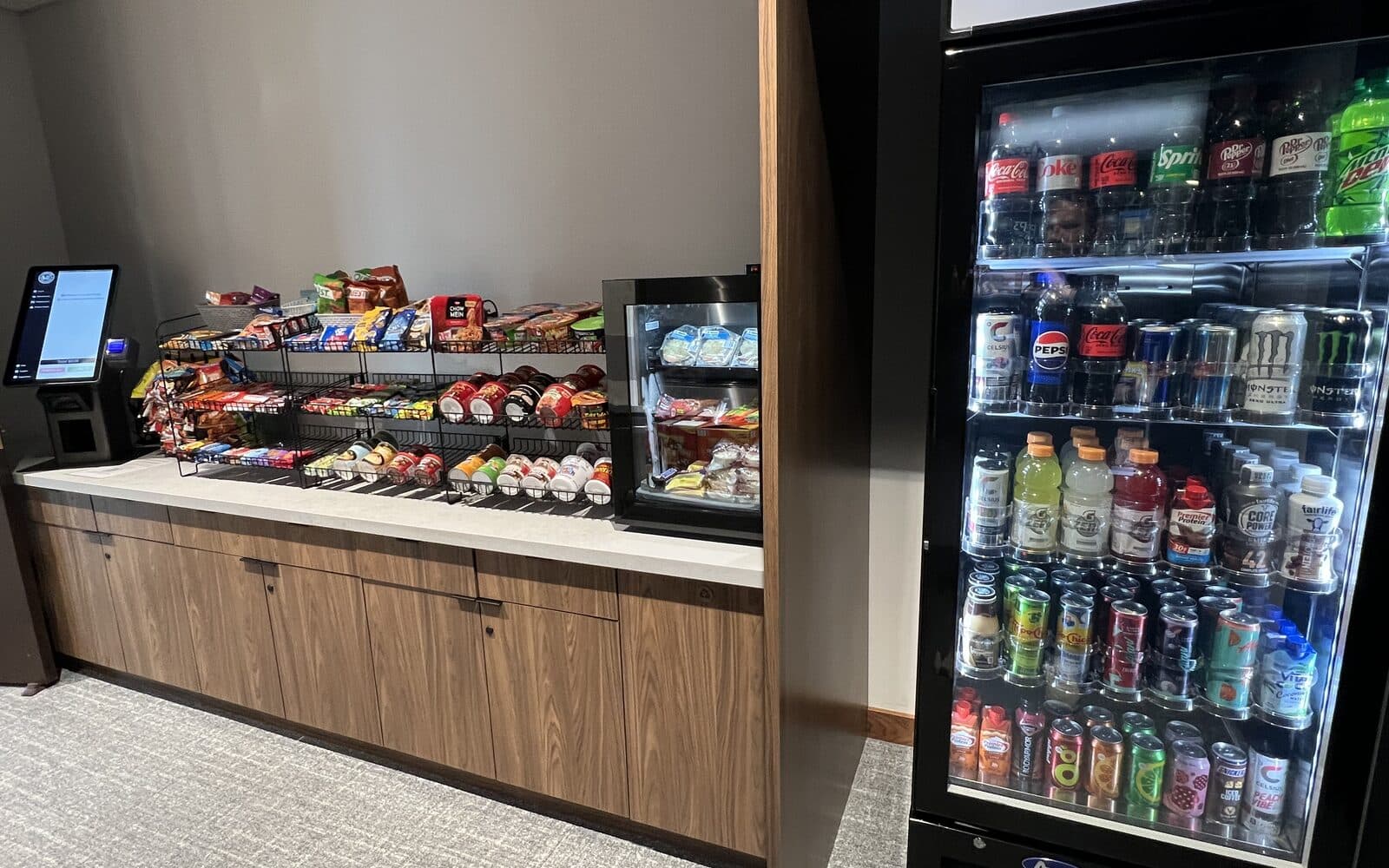
Combination units are ideal for smaller floors in multi-floor corporate offices, maximizing space while offering diverse options. These units can integrate both snacks and beverages within a compact design, catering to various preferences. By strategically placing these machines in high-traffic areas, companies can enhance accessibility and convenience. This approach aligns with the growing trend, as the vending industry reported a 7% increase in active machines due to rising demand for versatile solutions.
Refrigerated and Fresh Food Options
Offering refrigerated and fresh food options in smart vending machines can greatly enhance employee satisfaction. By providing healthy, ready-to-eat meals and snacks, companies cater to diverse dietary preferences and promote wellness. This approach not only reduces food waste but also supports a more sustainable workplace environment.
Secure Stakeholder Buy-In and Budget Approval
Securing stakeholder buy-in and budget approval is crucial for launching a smart vending program in a multi-floor corporate office. Start by demonstrating the potential benefits to both employees and the organization. Highlight that companies offering free or subsidized food experience 67% higher employee satisfaction. Additionally, 56% of workers report staying longer at a company due to attractive break room perks. These statistics illustrate how a smart vending program can enhance employee retention and overall morale.
Prepare a detailed proposal outlining the program's objectives, expected costs, and anticipated return on investment. Include a comparison of traditional vending versus smart vending solutions, emphasizing the convenience and healthier options that smart machines provide. Present data showing that 55% of employees are more likely to stay with a company that prioritizes their well-being. This reinforces the value of investing in workplace amenities.
Engage stakeholders by inviting them to participate in discussions and providing opportunities for feedback. This collaborative approach fosters a sense of ownership and increases the likelihood of approval. Finally, consider proposing a phased implementation to minimize upfront costs and allow for adjustments based on initial feedback. By effectively communicating these points, you can secure the necessary buy-in and budget approval for a successful smart vending initiative.
Plan Strategic Machine Placement Across Multiple Floors
Strategic machine placement is crucial for maximizing the effectiveness of a smart vending program in a multi-floor corporate office. By carefully considering locations, businesses can enhance accessibility and convenience for employees, which ultimately boosts satisfaction and productivity. An effective layout not only attracts more users but also encourages healthier snacking choices, aligning with the growing demand for nutritious options in workplace environments.
When planning placements, key factors include foot traffic patterns, employee demographics, and the types of products offered. Ensuring that machines are easily reachable from common areas can significantly increase usage rates. As companies recognize the importance of on-site amenities, implementing a well-thought-out vending strategy becomes essential.
In 2024, the vending and micro market industry saw a significant increase, with sales growing by thirty percent to reach $33.85 billion. This surge underscores the necessity for businesses to adapt to evolving consumer preferences and the importance of strategic placements in optimizing vending solutions. By focusing on accessibility and user experience, organizations can create a welcoming environment that meets the needs of their workforce, driving engagement and satisfaction in the process.
Ground Floor and Lobby Positioning
Strategic positioning of smart vending machines in ground floor and lobby areas can significantly enhance visibility and accessibility. These high-traffic zones are ideal for capturing the attention of employees and visitors alike, encouraging impulse purchases. By placing machines near elevators, entrances, or common areas, organizations can maximize engagement. Additionally, offering a curated selection of healthy snacks and beverages in these locations aligns with the growing demand for nutritious options, promoting a healthier workplace culture.
Mid-Level and Upper Floor Distribution
Mid-level and upper floor distribution of smart vending machines should focus on strategic locations that maximize visibility and accessibility. Positioning machines near high-traffic areas, such as break rooms or conference spaces, encourages usage. Additionally, consider the demographic of employees on each floor; for instance, healthier options may appeal more to teams focused on wellness. Offering a variety of products tailored to specific floors can enhance satisfaction. Regular feedback from employees can also guide adjustments, ensuring that the offerings remain relevant and appealing as workplace preferences evolve.
Elevator and Stairwell Proximity Considerations
Proximity to elevators and stairwells is vital when positioning smart vending machines in a multi-floor office. Placing machines near these high-traffic areas ensures easy access for employees, encouraging frequent use. This strategic placement not only boosts visibility but also aligns with health initiatives, promoting physical activity by making it convenient for staff to grab snacks while using stairs or waiting for elevators. Prioritizing these locations enhances overall employee engagement with the vending program.
Coordinate Installation and Technical Setup
Coordinating installation and technical setup for a smart vending program in a multi-floor corporate office involves careful planning and execution. Begin by assessing the available space and determining optimal locations for vending machines to maximize visibility and accessibility. Engage with stakeholders to gather input on preferred products, ensuring the offerings align with employee preferences.
Once locations are finalized, collaborate with the vending machine provider to schedule installation. Ensure that the machines are equipped with the necessary technology for cashless transactions and inventory management. Testing the machines post-installation is crucial to confirm they operate smoothly.
With the global penetration of connected vending machines expected to reach 71.3% by 2028, integrating advanced technology will enhance the user experience and streamline operations.
Customize Product Selection for Your Workforce
Customizing product selection for a workforce is crucial for the success of a smart vending program in a multi-floor corporate office. Understanding employee preferences and dietary needs ensures that the offerings resonate with the diverse tastes and health goals of the staff. This tailored approach not only enhances employee satisfaction but also encourages healthier eating habits, ultimately contributing to a more productive workplace.
As organizations increasingly adopt smart vending solutions, balancing healthy options with traditional favorites becomes essential. More than 75% of operators now offer better-for-you products in their vending machines and micro markets, reflecting a shift towards healthier choices while still catering to the demand for classic snacks. By adjusting inventory based on factors like shift patterns and peak hours, businesses can optimize their selections to meet varying employee needs throughout the day.
Implementing these strategies fosters a more engaging and supportive environment, helping to retain talent and boost morale. A well-curated vending program can transform workplace culture, making it not just about convenience but also about prioritizing employee well-being and satisfaction.
Survey Employee Preferences and Dietary Needs
Understanding employee preferences and dietary needs is vital for a successful smart vending program. Conducting surveys can help identify specific tastes, dietary restrictions, and desired snacks. For instance, 74% of Gen Z prioritize free food as a workplace perk, while Millennials show a stronger preference for healthier options compared to Boomers. This data underscores the importance of offering a balanced selection that includes both traditional snacks and nutritious choices. Tailoring offerings based on feedback fosters a supportive work environment and boosts overall employee satisfaction.
Balance Healthy Options with Traditional Favorites
Balancing healthy options with traditional favorites in a smart vending program is essential for catering to diverse employee preferences. Offering nutritious snacks alongside beloved classics not only boosts employee satisfaction but also promotes healthier eating habits. For instance, workers who eat nutritious meals are 25% more productive, highlighting the importance of food choices in workplace performance. This thoughtful approach encourages a culture of well-being and productivity.
Adjust Inventory Based on Shift Patterns
Adjusting inventory based on shift patterns is vital for maximizing the effectiveness of a smart vending program. By analyzing employee schedules and peak usage times, businesses can ensure that popular items are available when needed most. For instance, offering hearty snacks during morning shifts and lighter options in the afternoons can cater to varying appetites throughout the day. This tailored approach not only meets employee needs but also reduces waste, enhancing overall satisfaction and productivity in the workplace.
Implement Cashless Payment and Access Systems
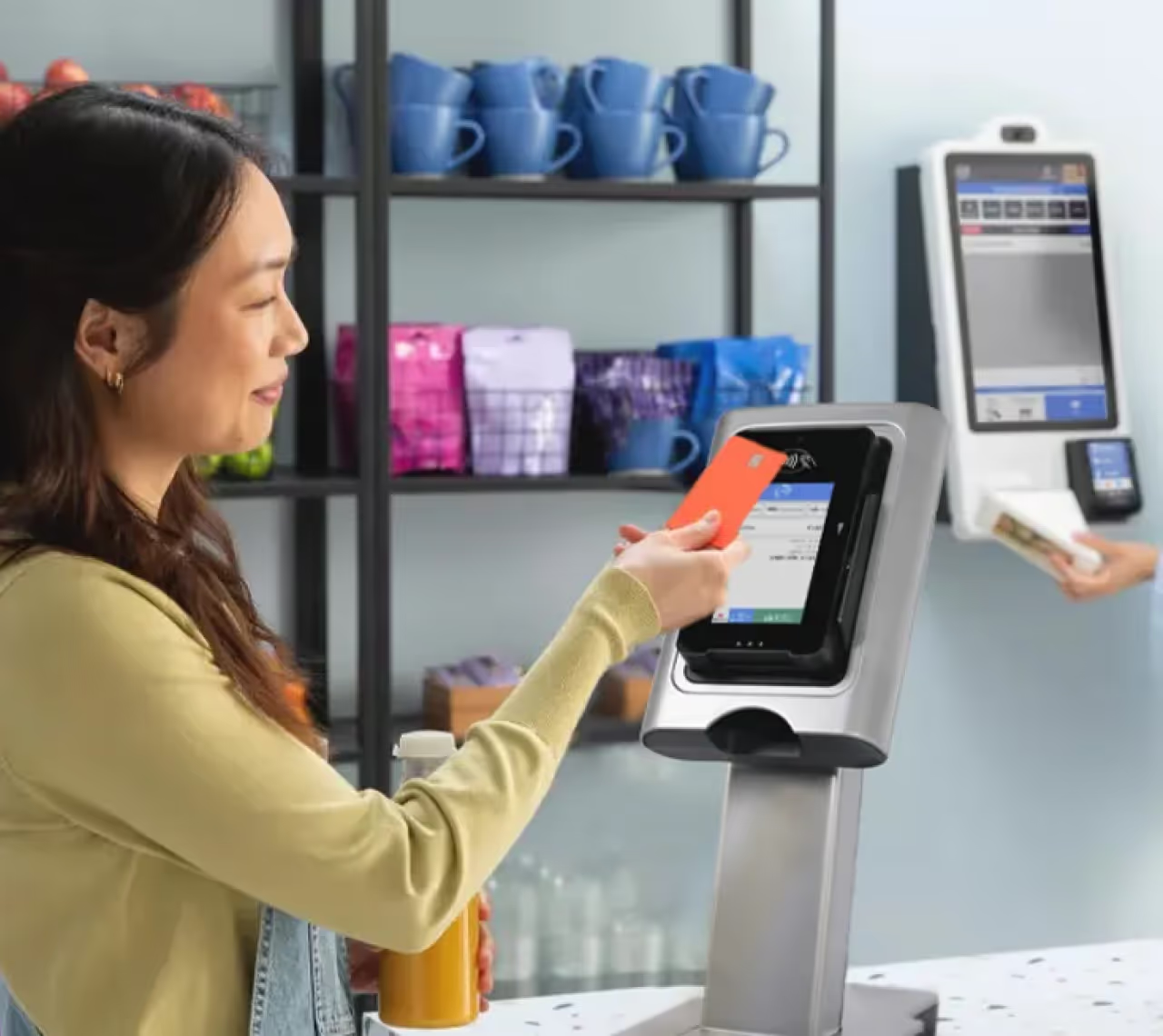
Implementing cashless payment and access systems is crucial for a successful smart vending program in a multi-floor corporate office. The shift towards cashless transactions is not just a trend; it's a necessity driven by consumer preferences for convenience and speed. In 2024, cashless payments accounted for 71% of all vending machine sales, marking a significant increase of 17% compared to the previous year. The average cashless transaction was $2.24, compared to just $1.78 for cash purchases, indicating a clear preference for digital payments among users.
Incorporating these systems enhances user experience by allowing quick and contactless transactions, which are especially appealing in a corporate environment. Cashless vending machines represented 75% of revenue share in the U.S. in 2024, underscoring the robust digital payment ecosystem and consumer demand for fast, touch-free options. By adopting cashless payment solutions, corporate offices can streamline operations, reduce cash handling costs, and ultimately provide a more satisfying experience for employees.
Launch Your Program with Employee Communication
Launching a smart vending program in a multi-floor corporate office requires effective employee communication to ensure a smooth transition and maximize engagement. Start by informing employees about the program's benefits, such as convenient access to snacks and beverages, which can enhance workplace satisfaction. Highlight that one in three employees considers their break room a significant contributor to workplace happiness, and 60% say that food options influence how often they take breaks. This underscores the importance of a well-stocked vending solution in promoting a positive work environment.
Utilize multiple channels for communication, including emails, posters in common areas, and team meetings. Create engaging content that explains how the smart vending machines work, including payment options and product offerings. Consider hosting a launch event where employees can sample products and learn about the technology behind the machines. Encouraging feedback during this phase is crucial, as it helps employees feel involved and valued. Address any concerns they might have about the new system to build trust and excitement. By fostering open communication, you're more likely to see higher usage rates and overall satisfaction with the new vending program.
Monitor Performance and Optimize Across Locations
Monitoring performance and optimizing smart vending operations across multiple floors in a corporate office is essential for maximizing efficiency and enhancing user satisfaction. As organizations implement these modern solutions, understanding the unique demands of each location becomes crucial. Factors such as foot traffic, employee preferences, and peak usage times can vary significantly from one floor to another.
Regularly assessing how machines are performing allows businesses to identify trends and adapt strategies accordingly. This involves analyzing sales data to determine which products are most popular and which machines are underperforming. Such insights can drive decisions on product offerings and placement, ensuring that each vending machine meets the specific needs of its environment.
In addition, maintaining a focus on technology is vital. With 96% of vending operators viewing cashless payment systems as a worthwhile investment, ensuring that machines are equipped with the latest payment options can lead to increased sales and improved customer experience. By prioritizing both performance monitoring and technological advancements, organizations can create a responsive and efficient vending ecosystem that aligns with employee needs and preferences. This ultimately supports a healthier workplace culture and encourages greater utilization of smart vending solutions.
Track Usage Data by Floor
Tracking usage data by floor is crucial for optimizing vending operations in a multi-floor corporate office. By analyzing sales patterns and foot traffic, businesses can identify which products resonate with employees on each floor. For instance, a floor with high foot traffic may benefit from more snack options, while another might prefer healthier choices. Regularly reviewing this data allows organizations to adjust inventory and placement, ensuring machines are stocked with popular items. This targeted approach not only enhances employee satisfaction but also drives sales, reflecting the growing demand for tailored vending solutions in workplace environments.
Adjust Product Mix Based on Sales Patterns
Adjusting the product mix based on sales patterns is crucial for maximizing the effectiveness of smart vending machines. By regularly analyzing sales data, businesses can identify high-demand items and seasonal trends, allowing them to tailor offerings to employee preferences. For instance, if healthy snacks see a significant uptick in sales during summer months, stocking more of these options can cater to changing dietary habits. Additionally, removing underperforming products frees up space for more popular choices, enhancing overall user satisfaction and driving increased revenue.
Schedule Regular Maintenance and Restocking
Establishing a schedule for regular maintenance and restocking is vital for the success of a smart vending program in a multi-floor corporate office. This involves conducting routine checks to ensure machines are functioning properly and stocked with popular items. For instance, utilizing sales data can help identify peak times and preferred products on each floor, allowing for targeted restocking. Additionally, scheduling maintenance during off-peak hours minimizes disruptions. This proactive approach not only enhances user satisfaction but also maximizes sales potential by ensuring that machines are always ready to serve employees' needs.
Conclusion
Launching a smart vending program in a multi-floor corporate office can transform the workplace experience, offering employees convenient access to refreshments and promoting a healthier lifestyle. By integrating advanced technology, these vending solutions enhance user interaction and streamline operations, catering to diverse dietary preferences. As the demand for innovative vending solutions continues to rise—evidenced by a 30% increase in vending and micro market sales in 2024—corporate environments are increasingly adopting these systems to boost employee satisfaction and productivity.
Investing in smart vending machines not only meets immediate needs but also positions the office as a forward-thinking workplace. The smart vending machine market, expected to grow significantly, reflects a shift in consumer behavior towards more accessible and healthier snack options. Embracing this trend can lead to a more engaged and healthier workforce.
Frequently Asked Questions
What types of snacks and beverages should be included in a smart vending program?
Include a mix of healthy options like fruits, nuts, and yogurt alongside traditional snacks such as chips and candy. This variety caters to diverse dietary preferences, promoting healthier choices among employees.
How can I assess employee preferences for vending machine products?
Conduct surveys or informal discussions to gather insights on employee tastes and dietary needs. This feedback helps tailor product selections that resonate with the workforce, boosting satisfaction and usage.
What are the benefits of cashless payment systems in vending machines?
Cashless payment systems enhance convenience and speed, as 71% of vending sales in 2024 were cashless. They also reduce cash handling costs and appeal to users seeking quick, contactless transactions.
How often should vending machines be restocked and maintained?
Establish a regular schedule based on sales patterns and peak usage times. Routine maintenance should occur during off-peak hours to minimize disruptions, ensuring machines are always stocked and operational.
What strategies can help secure stakeholder buy-in for a smart vending program?
Prepare a detailed proposal that highlights potential employee satisfaction benefits, retention statistics, and ROI. Engage stakeholders in discussions and invite feedback to foster ownership and increase the likelihood of approval.