Lobby Micro-Markets: The New Amenity Trend for Class-A Office Buildings
Why Class-A office owners are adding lobby micro-markets, what they cost, and the tenant retention and rent-premium data behind the trend.
Introduction: The Evolution of Office Lobby Amenities
Are you struggling to keep tenants engaged in your Class-A office building? Lobby micro-markets are rapidly becoming the go-to amenity that not only enhances tenant satisfaction but can also increase retention rates by up to 20%. In this article, you'll discover how these innovative spaces transform lobbies into vibrant hubs, driving foot traffic and creating a sense of community—all while requiring zero upfront investment for building owners.
The evolution of office lobby amenities reflects changing workplace dynamics and tenant expectations. As companies adapt to hybrid work models, the design and functionality of office spaces have transformed significantly. With the average space per employee dropping to 152 square feet in 2024, the focus is now on creating collaborative environments that foster interaction and productivity.
One notable trend is the rise of lobby micro-markets, which cater to the needs of modern tenants. These self-service kiosks and markets provide convenient access to snacks and beverages, enhancing the overall tenant experience. Class A office buildings with upgraded amenities, including micro-markets, are outperforming their peers. In fact, Class A office rents are now 84% higher than those of non-prime properties, demonstrating that tenants are willing to invest in quality and amenities that enhance their work environment.
As businesses seek to attract and retain talent, integrating modern amenities like micro-markets into office lobbies has become essential. This shift not only improves tenant satisfaction but also positions properties as desirable locations in a competitive real estate market. The evolution of these amenities reflects a broader trend towards enhancing the workplace experience, making it more appealing and functional for employees.
What Are Lobby Micro-Markets?
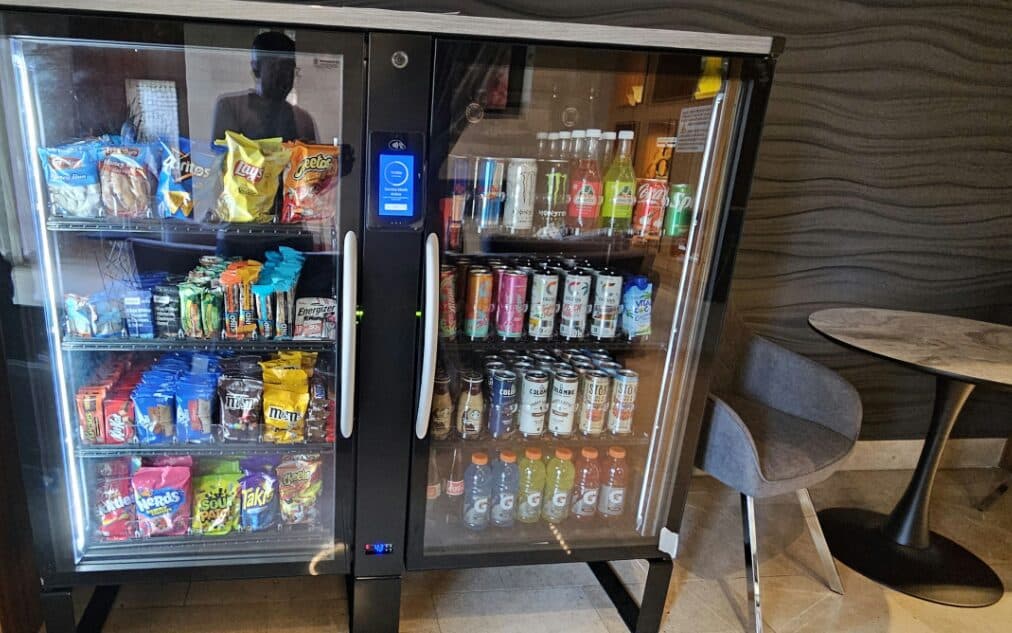
Lobby micro-markets have emerged as a significant trend in modern office environments, particularly in Class A buildings. These self-service kiosks provide convenient access to a variety of snacks and beverages, catering to the needs of tenants seeking quick and healthy options. Initially designed for office break rooms, micro-markets have expanded into public spaces, blurring the lines between traditional vending machines and convenience stores. This evolution reflects a growing demand for flexible foodservice solutions in workplaces.
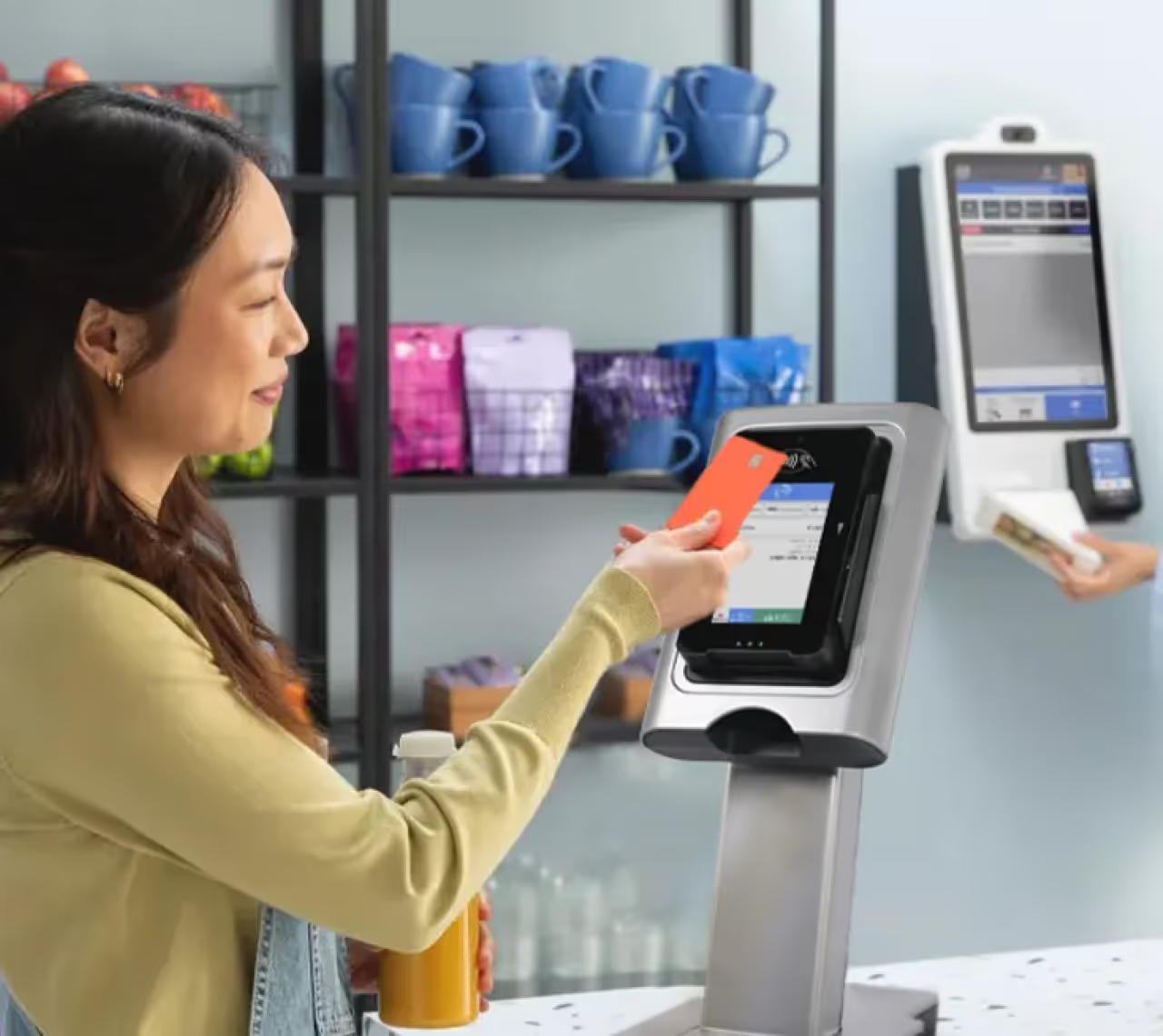
Instead of relying on an employee at a register, micro-markets feature self-checkout kiosks that allow users to "grab, pay, and go." This setup enhances the user experience, making it easier for tenants and visitors to access food options without lengthy waits. As a result, micro-markets are increasingly replacing vending machines in break rooms, lobbies, and other high-traffic areas, providing a more appealing alternative. With the added benefit of promoting healthier eating habits, these markets contribute to a vibrant workplace culture, ultimately enhancing tenant satisfaction and retention.
Modern Amenities: Full-Service Micro-Market Solutions for Premium Office Buildings
Lobby micro-markets have emerged as a key amenity trend in Class A office buildings, responding to the evolving needs of modern tenants. These self-service setups not only provide convenient access to snacks and beverages but also enhance the overall tenant experience. As more companies embrace hybrid work models, the demand for innovative amenities that promote well-being and collaboration has surged.
Research indicates that Class A office buildings featuring upgraded amenities, such as micro-markets, command significantly higher rents, with an increase of 84% compared to non-prime properties. This trend underscores the importance of integrating modern conveniences into office environments to attract and retain tenants in a competitive market.
Revenue-Sharing Model with Zero Upfront Investment
The revenue-sharing model with zero upfront investment makes micro-markets especially appealing for property owners. This approach allows buildings to introduce modern amenities without incurring initial costs, as profits from sales support ongoing operational expenses. This model not only enhances tenant satisfaction but also ensures a steady revenue stream for property managers.
Smart Technology and Cashless Payment Systems
The integration of smart technology and cashless payment systems in lobby micro-markets is transforming tenant experiences in Class A office buildings. These systems streamline transactions, with tap-to-pay methods accounting for 77% of all cashless vending sales in 2024. This convenience enhances user satisfaction, as 96% of payments at micro-markets are now cashless, reflecting a growing preference for quick, contactless options. As companies prioritize amenities that support modern lifestyles, these advancements are crucial for attracting and retaining tenants in competitive markets.
Customized Product Selection and Fresh Food Options
Customized product selection in lobby micro-markets allows tenants to enjoy a tailored experience, catering to diverse preferences and dietary needs. Fresh food options, including healthy snacks and meals, are increasingly important, with 44% of workers considering them essential amenities. This variety not only satisfies cravings but also supports employee wellness and productivity.
365 Retail Markets: Enterprise-Scale Micro-Market Technology
The rise of micro-markets in office lobbies is spearheaded by companies like 365 Retail Markets, a leader in unattended retail technology. Founded in 2008, 365 Retail Markets commands over 50 percent of the global market and operates across approximately 20 countries, including the US and Europe. Their solutions, such as the Connected Campus, have proven effective in various environments, including manufacturing facilities, significantly increasing transaction volumes while reducing wait times.
These innovations cater to the growing demand for convenience and accessibility in workplace amenities, aligning with the needs of modern tenants. As businesses strive to enhance employee satisfaction and productivity, integrating micro-markets into office lobbies emerges as a strategic trend that benefits both companies and their employees.
A manufacturing facility
Deployed 365's Connected Campus solution with 57 PicoCoolers, increasing transactions and decreasing wait time significantly. (365 Retail Markets)
Canteen Vending Services: Traditional Provider with Micro-Market Expansion
Canteen Vending Services has adapted to the growing demand for modern office amenities by expanding into micro-markets. This shift allows them to move beyond traditional vending machines, offering a more diverse selection of fresh foods and beverages in self-service kiosks. Micro-markets not only enhance convenience for employees but also create an inviting atmosphere in office lobbies.
As tenants increasingly seek amenities that support their work-life balance, the integration of micro-markets can significantly boost tenant satisfaction. Research indicates that Class A office buildings with upgraded amenities, including micro-markets, outperform their counterparts, leading to a rental premium of 84% compared to non-prime properties. This trend highlights the importance of providing high-quality services to attract and retain tenants in a competitive market. By embracing this model, Canteen Vending Services positions itself as a forward-thinking provider in the evolving landscape of workplace amenities.
Cantaloupe: Payment Processing and Micro-Market Management Platform
Cantaloupe offers a robust payment processing and micro-market management platform that is transforming the way businesses handle self-service solutions. With over 30,000 customers across the U.S., U.K., EU countries, Australia, and Mexico, their comprehensive suite includes micro-payment processing, self-checkout kiosks, mobile ordering, and enterprise cloud software. This versatility allows businesses to cater to diverse consumer preferences, enhancing the shopping experience in micro-markets.
According to Cantaloupe's 2025 Micropayment Trends Report, the platform has analyzed data from more than 625,000 card readers and 17,000 micro-market kiosks, processing over a billion transactions annually. This extensive data not only highlights the growing trend toward cashless transactions but also emphasizes the efficiency and convenience that Cantaloupe's technology brings to micro-markets. By integrating these advanced solutions, businesses can streamline operations and improve customer satisfaction, solidifying their position in the competitive landscape of self-service retail.
Micromart: Regional Micro-Market Specialists
Micromart specializes in regional micro-market solutions tailored to fit the unique needs of various commercial spaces. By offering a curated selection of snacks and beverages, Micromart enhances tenant satisfaction and promotes a sense of community within the workplace. These micro-markets are particularly popular in Class A office buildings, where the demand for high-quality amenities is growing.
With the rise of hybrid work environments, having accessible food and beverage options can significantly improve employee morale and productivity. In fact, the presence of upgraded amenities, such as micro-markets, correlates with a substantial increase in rental rates. Class A office rents have surged to 84% higher than those of non-prime properties, underscoring the value these amenities bring to tenants.
Why Class-A Buildings Are Investing in Lobby Micro-Markets
Class A office buildings are increasingly investing in lobby micro-markets as a response to tenant demands for enhanced amenities. These self-service kiosks not only provide convenient access to snacks and beverages but also create a modern, engaging atmosphere in the lobby area. This shift reflects the growing importance of tenant experience, as buildings with upgraded amenities, including micro-markets, tend to outperform their counterparts.
In Downtown Chicago, for example, nine of the ten largest office leases in Q1 2025 were in Class A properties, showcasing a strong preference for premium spaces that offer amenities like micro-markets. Moreover, 27% of commercial real estate owners prioritize on-site fitness or activity centers, indicating that tenants value convenience and well-being.
The Competitive Advantage: How Micro-Markets Drive Tenant Retention
Lobby micro-markets offer a competitive advantage that significantly enhances tenant retention in commercial real estate. These self-service spaces not only provide convenient access to snacks and beverages but also create a vibrant community within the office environment. As tenants increasingly seek amenities that cater to their lifestyle needs, micro-markets become essential for attracting and retaining occupants.
Replacing a commercial tenant can cost up to three times more than keeping an existing one, with potential income losses from vacancies lasting up to two years. Therefore, integrating modern amenities like micro-markets is crucial for improving tenant satisfaction and reducing turnover risks. Furthermore, certified buildings, which often feature such amenities, show an average occupancy rate that is eight percent higher than non-certified peers and attract valuation premiums of ten to twenty-one percent. This highlights the financial impact of quality amenities in driving tenant loyalty and enhancing property value.
By investing in micro-markets, property managers can create an inviting atmosphere that not only meets the demands of modern tenants but also solidifies long-term occupancy, ultimately contributing to the overall success of the property.
ROI and Performance Metrics for Lobby Micro-Markets
The rise of lobby micro-markets is reshaping the way businesses view amenity investments. These self-service markets not only cater to tenant demands for convenience but also prove economically beneficial for property owners. In 2024, micro-markets surpassed $1 billion in revenue, marking a 27% increase from the previous year and accounting for over 377 million transactions.
Furthermore, the average ticket size in these markets is approximately $4.25, nearly double that of traditional vending machines at $2.11. This increase in average sales indicates that micro-markets not only attract more customers but also enhance revenue per transaction, making them a lucrative addition to any Class A office building. By investing in these amenities, property owners can significantly improve tenant satisfaction while also boosting their bottom line.
Implementation Considerations for Building Owners and Property Managers
Implementing lobby micro-markets in Class A office buildings presents unique opportunities for building owners and property managers. These self-service amenities cater to the growing demand for convenience and quality in the workplace. As the average micro-market is typically situated in locations with 100-150 employees, understanding the specific requirements for installation and operation is crucial for success.
Integrating micro-markets not only enhances tenant satisfaction but also plays a significant role in attracting and retaining tenants. The seamless incorporation of these spaces into lobby designs can transform the overall aesthetic and functionality of the building. Additionally, careful consideration of product offerings and ongoing maintenance strategies ensures that micro-markets remain appealing and efficient. As this trend continues to grow, building owners and property managers must stay informed about best practices to maximize the benefits of this amenity.
Space Requirements and Lobby Design Integration
Integrating micro-markets into lobby designs requires careful consideration of space requirements, ensuring adequate room for both the kiosks and customer flow. Typically, a micro-market needs around 100-150 square feet, allowing for product displays and easy access. Thoughtful layout enhances the aesthetic appeal while maintaining functionality, contributing to a seamless tenant experience.
Product Mix and Tenant Preferences
Understanding tenant preferences in lobby micro-markets is essential for optimizing product offerings. By analyzing purchasing patterns, property managers can tailor selections to meet the specific tastes of their tenants, ensuring high satisfaction and usage rates. For instance, incorporating healthy snacks and premium beverages can attract health-conscious employees, while offering local favorites can enhance community engagement. This strategic approach not only boosts sales but also reinforces tenant loyalty.
Maintenance and Restocking Operations
Efficient maintenance and restocking operations are vital for the success of lobby micro-markets. Regular inventory checks ensure popular items remain available, while timely restocking prevents customer dissatisfaction. Implementing a system for route scheduling and warehouse pre-picking can streamline these processes, allowing for quicker response times and reduced downtime. This proactive approach enhances tenant experience and encourages repeat usage.
The Future of Lobby Amenities in Class-A Office Buildings
Lobby micro-markets are rapidly becoming a key amenity trend in Class-A office buildings, addressing the evolving needs of tenants. These self-service markets provide convenient access to snacks and beverages, enhancing tenant satisfaction and fostering a modern work environment.
The North American micro market size was valued at nearly four billion dollars in 2022 and is projected to grow at a compound annual growth rate of 13.0% from 2023 to 2030. This growth highlights the increasing demand for accessible, on-site food options that fit into the fast-paced lifestyles of today's workforce. As office buildings adopt these innovative amenities, they can significantly enhance their appeal and competitiveness in the market.
Frequently Asked Questions
What benefits do lobby micro-markets offer to tenants?
Lobby micro-markets provide convenient access to snacks and beverages, enhance the tenant experience, promote healthier eating habits, and foster community engagement in the workplace.
How do lobby micro-markets impact rental rates for Class A office buildings?
Class A office buildings with upgraded amenities like micro-markets command rents that are, on average, 84% higher than those of non-prime properties, showcasing their financial benefit.
What technology is used in lobby micro-markets to facilitate transactions?
Modern lobby micro-markets utilize smart technology and cashless payment systems, with 96% of transactions being cashless, making purchases quick and convenient for users.
How can property managers optimize product offerings in micro-markets?
Property managers can analyze tenant purchasing patterns to tailor product selections, ensuring a mix of healthy options and local favorites to meet diverse tenant preferences.
What are the space requirements for installing a lobby micro-market?
Typically, a micro-market requires about 100-150 square feet of space, allowing for product displays and customer flow while integrating seamlessly into lobby designs.