How Much Space Is Required to Install a Micro-Market in a Commercial Lobby?
How much square footage a micro-market needs, from 50-square-foot nano markets to 800-square-foot full-service setups, plus power and internet requirements.
Introduction: Understanding Micro-Market Space Requirements for Commercial Lobbies
Are you wondering how much space you need to effectively install a micro-market in your commercial lobby? This article will guide you through the various space requirements, helping you find the perfect fit for your building's needs. Did you know that micro-markets can increase employee satisfaction and productivity by up to 30%? By understanding these space dynamics, you can transform your lobby into a vibrant marketplace that enhances the overall experience.
When considering the installation of a micro-market in a commercial lobby, space requirements are crucial. Typically, a micro-market needs a minimum of 100 to 150 square feet for basic functionality. This space accommodates essential components such as refrigerated units, shelving for dry goods, and self-service kiosks. The layout should also allow for smooth customer flow and accessibility, ensuring that users can navigate the area without congestion.
Additionally, it's important to factor in the equipment's dimensions and the specific offerings of the micro-market. For example, if the market includes a wider variety of fresh foods or beverages, additional space may be necessary. Research suggests that optimizing the layout can enhance customer experience, leading to increased sales. A well-designed space not only attracts customers but also ensures that they can access products efficiently.
Overall, careful planning and consideration of the available space can significantly impact the success of a micro-market in a commercial lobby, making it essential to assess both the physical space and the intended product mix before installation.
What Is a Micro-Market and Why Install One in Your Lobby?
When planning to install a micro-market in a commercial lobby, understanding space requirements is essential for optimizing functionality and customer experience. A micro-market typically requires a minimum of 100 to 150 square feet. This space allows for essential components, including refrigerated units, shelving for dry goods, and self-service kiosks. A well-designed layout not only facilitates customer flow but also ensures accessibility, preventing congestion during peak hours.
Moreover, the variety of products offered influences the needed space. For instance, micro-markets often stock between 150 and 400 items, significantly more than traditional vending machines, which usually hold around 40 products. This broader selection can enhance customer satisfaction and drive sales. In 2023, micro-markets generated over $756 million in sales, with a notable increase in locations by 36% that year. These statistics illustrate the growing demand and potential profitability of micro-markets in commercial settings, underscoring their viability as a modern amenity to attract and retain visitors.
Overall, the careful consideration of space and layout is fundamental in creating an inviting micro-market that meets the needs of its users while maximizing revenue opportunities.
Modern Amenities: Flexible Space Solutions Starting at 200 Square Feet
When planning to install a micro-market in a commercial lobby, understanding space requirements is essential. A minimum area of 100 to 150 square feet is generally needed to accommodate the necessary components, including refrigeration units, shelving, and self-service kiosks. This space not only allows for essential equipment but also facilitates smooth customer movement, which is vital for a positive shopping experience.
Moreover, the specific offerings of the micro-market can influence space needs. For instance, a market that includes a broader selection of fresh foods or beverages may require additional room. Research indicates that well-optimized layouts can significantly enhance customer satisfaction and lead to increased sales, making it crucial to consider both functionality and design when determining the space required for a micro-market.
Customized Layouts for Any Lobby Configuration
When designing a micro-market for a commercial lobby, customized layouts are essential to accommodate various configurations. These markets are modular, allowing them to be tailored to fit unique spaces, whether they occupy a large area or a small corner. Flexibility in design enables the integration of different components like refrigerated units and kiosks while optimizing customer flow. This adaptability not only enhances user experience but also maximizes the potential for sales by ensuring that products are easily accessible and visually appealing.
Revenue-Sharing Model with Zero Upfront Costs
When considering a micro-market's design, the layout must prioritize customer interaction and accessibility. Creating designated zones for different product categories can enhance the shopping experience. For instance, placing fresh food near the entrance encourages immediate purchases, while snacks and beverages can be positioned further in to entice shoppers to explore. This strategic arrangement can lead to increased sales, as customers are more likely to purchase additional items when the layout is intuitive and inviting.
By moving from traditional vending to micro markets, operators can increase gross sales as much as 4X and profitability as much as 300% from vending.
Standard Open-Concept Micro-Markets: 550-600 Square Feet
The design and layout of a standard open-concept micro-market, typically occupying 550 to 600 square feet, play a significant role in its success. This space allows for a diverse range of products, from snacks to fresh meals, while also accommodating customer flow. A well-structured micro-market can enhance user experience, making it easier for customers to browse and select items without feeling cramped.
In addition to product variety, the open-concept design encourages interaction, fostering a community atmosphere. The layout should consider pathways, ensuring that customers can move freely and access all offerings. Proper placement of kiosks and shelving can maximize visibility and encourage impulse purchases. Research indicates that effective layout design can lead to a 20% increase in sales.
Choosing the right location within a commercial lobby is equally crucial. The micro-market should be easily accessible to employees and visitors alike, ideally situated near high-traffic areas. This accessibility not only boosts foot traffic but also enhances the overall appeal of the space, making it a convenient option for quick meals or snacks. Understanding these dynamics is essential for successful micro-market implementation in commercial settings.
Includes Fresh Food Preparation Kitchen Space
Incorporating a fresh food preparation kitchen space within a micro-market can significantly enhance the offerings and customer experience. This dedicated area allows for the preparation of salads, sandwiches, and other ready-to-eat meals, catering to health-conscious consumers. By providing freshly made options, the micro-market not only attracts more customers but also encourages repeat visits. Additionally, a well-integrated kitchen can streamline operations, reducing reliance on pre-packaged items and thereby increasing product freshness and variety.
Ideal for High-Traffic Commercial Buildings
When installing a micro-market in a commercial lobby, consider the flow of foot traffic. Positioning the market near elevators or main entrances can maximize visibility and accessibility for both employees and visitors. This strategic placement encourages spontaneous purchases and enhances user convenience, making it an attractive option for quick snacks or meals.
Compact Break Room Conversions: 300-500 Square Feet
Creating a compact break room within a commercial space of 300-500 square feet allows for a versatile micro-market setup. This size is ideal for accommodating essential components like refrigerated units, shelves, and self-service kiosks, while also ensuring a seamless customer flow. In such an area, it's crucial to balance product display with comfortable circulation space, promoting an inviting atmosphere for users.
The design should also consider the specific offerings of the micro-market. For instance, if fresh food options are included, additional space may be necessary to maintain proper storage and accessibility. Research indicates that a typical micro-market installation needs 100-300 square feet for proper setup, which includes product displays, checkout areas, and customer circulation space.
By strategically utilizing the available space, businesses can enhance customer experience and drive sales. A well-planned micro-market not only meets the needs of the clientele but also maximizes the efficiency of the commercial area, ensuring that every square foot serves a purpose. This foundational understanding sets the stage for effective conversions and innovative design strategies tailored to specific environments.
Converting Existing Spaces into Micro-Markets
When determining how much space is required to install a micro-market in a commercial lobby, the layout plays a vital role. A space of 100 to 300 square feet is typically ideal, accommodating essentials like refrigerated units and self-service kiosks. However, if a company opts to convert a small break room, it may still effectively serve as a micro-market. A more expansive market can attract larger crowds, enhancing employee satisfaction and promoting healthy choices.
Space-Saving Design Strategies
When designing a micro-market in a commercial lobby, incorporating space-saving strategies can significantly enhance functionality. Utilizing vertical shelving and modular displays allows for efficient use of limited square footage. Consider implementing multi-functional furniture, such as kiosks that double as seating, to maximize utility. Additionally, clear signage can guide customers, reducing congestion and improving flow. By focusing on these strategies, businesses can create an inviting environment that encourages customer interaction while maintaining operational efficiency.
Nano Markets: Under 200 Square Feet for Limited Spaces
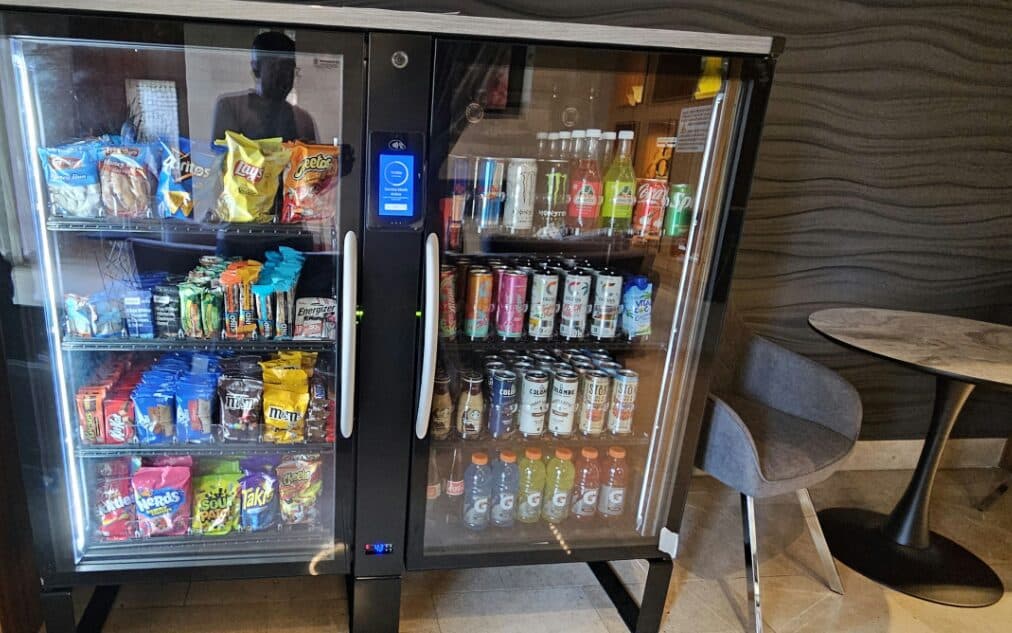
When space is at a premium, nano markets offer a viable solution for commercial lobbies. Designed to fit into areas under 200 square feet, these compact markets can deliver a full retail experience without overwhelming the environment. Their flexibility allows for customization, ensuring they meet the unique needs of any space.
Optimal design is crucial for maximizing functionality in these smaller footprints. A well-organized layout can enhance customer experience, facilitating easy access to a range of products. This is particularly important in busy lobbies where foot traffic is high. Research indicates that while traditional micro markets typically require 100 to 150 square feet, nano markets can effectively operate in as little as 50 to 75 square feet, making them ideal for limited spaces.
By integrating technology and efficient design, nano markets not only save space but also promote convenience and accessibility. They represent an innovative approach to retail in environments where every square foot counts.
Minimal Footprint with Maximum Impact
Nano markets can efficiently operate in compact spaces, often fitting into areas as small as 50 to 75 square feet. This allows businesses to provide essential services without sacrificing quality. The use of one cooler and minimal shelving effectively maximizes product variety while minimizing space requirements, making them ideal for bustling environments like commercial lobbies.
Perfect for Smaller Commercial Lobbies
In smaller commercial lobbies, micro-markets can be tailored to fit limited spaces while still delivering a comprehensive retail experience. For instance, a layout utilizing modular shelving and compact refrigeration units can optimize every square foot. By strategically placing self-service kiosks near entrances, you can enhance customer flow and accessibility. This design approach not only maximizes the available space but also keeps the environment inviting, ensuring that customers can easily browse and purchase items without feeling cramped.
Premium Full-Service Markets: 600-800 Square Feet
When planning a premium full-service micro-market, the space requirement increases significantly, typically ranging from 600 to 800 square feet. This larger footprint allows for an expanded selection of products, including fresh foods and beverages, as well as enhanced customer amenities. A well-designed market in this size range can accommodate multiple refrigerated units, extensive shelving for various goods, and interactive kiosks, all while ensuring a smooth flow of customer traffic.
Creating a welcoming environment is essential for attracting customers and encouraging repeat visits. The layout should incorporate seating areas and inviting decor, fostering a sense of community within the commercial space. Research indicates that attractive market designs can lead to higher customer satisfaction and increased sales.
Enhanced Amenities and Seating Areas
When designing seating areas within a micro-market, consider both space and functionality. Allocating around 200 square feet for seating can create a comfortable atmosphere, allowing patrons to enjoy their purchases. Incorporate various seating types, such as tables for groups and lounge chairs for relaxation. This encourages longer visits and increases customer satisfaction, ultimately boosting sales.
Creating a Destination Experience
When planning a micro-market in a commercial lobby, careful consideration of layout and customer flow is essential. A well-designed space not only enhances functionality but also creates an inviting atmosphere that encourages repeat visits. For instance, incorporating seating areas and attractive decor fosters community engagement. This approach can significantly increase customer satisfaction and drive sales, demonstrating the importance of thoughtful design in maximizing the micro-market's impact.
Luxury apartment buildings: Average weekly sales of $520 with transaction sizes nearly double that of traditional vending.
Key Infrastructure Requirements Beyond Square Footage
When establishing a micro-market in a commercial lobby, the infrastructure requirements extend beyond mere square footage. Key elements, such as electrical outlets and internet connectivity, play a crucial role in ensuring seamless operations. For instance, sufficient power supply is essential to support refrigeration units, kiosks, and other electronic devices. Without adequate electrical infrastructure, the functionality of the micro-market could be compromised.
Moreover, reliable internet connectivity is vital for point-of-sale systems and inventory management. A stable connection allows for real-time transactions and monitoring, enhancing customer experience and operational efficiency. Research indicates that businesses with optimized technology setups can see a significant increase in sales, with some reports suggesting an uptick of up to 30% in customer transactions when technology is effectively integrated into the shopping experience.
These infrastructure requirements should be considered early in the planning process to avoid costly adjustments later. Ensuring the right foundation supports not only the physical space but also the technological needs essential for a successful micro-market.
Electrical Outlets and Power Supply
When installing a micro-market, ensuring adequate electrical outlets is essential. Each equipment piece, from refrigeration units to kiosks, requires a dedicated power source. A reliable power supply not only supports the machines but also enhances operational efficiency. Additionally, internet access is crucial for seamless transactions and inventory management. Together, these elements create a functional and efficient micro-market environment.
Internet Connectivity for Point-of-Sale Systems
Reliable internet connectivity is essential for the smooth operation of point-of-sale systems in micro-markets. Typically, micro-market kiosks require an Ethernet or hardline connection with a speed of 1MB up and 1MB down, ensuring quick transactions and efficient inventory management. This infrastructure supports real-time monitoring and enhances the overall customer experience, leading to increased satisfaction and potentially higher sales.
Factors That Influence Space Requirements
When planning a micro-market installation in a commercial lobby, various factors influence the space requirements. Understanding the balance between customer needs and operational efficiency is crucial. The layout must allow for easy navigation and accessibility, accommodating both foot traffic and equipment.
Moreover, the specific offerings of the micro-market can significantly impact space needs. For instance, a diverse product range may require additional shelving and refrigeration units. Research indicates that well-optimized layouts can enhance customer engagement, ultimately driving sales growth.
Employee or Resident Population Size
Understanding the employee or resident population size is vital for a successful micro-market installation. Ideally, locations with over 100 daily users maximize the market's potential, driving higher foot traffic and sales. This ensures that the space is not only utilized effectively but also enhances customer engagement.
Product Variety and Inventory Needs
When selecting product variety for a micro-market, consider the target audience and their preferences. A well-rounded inventory should include healthy snacks, beverages, and meal options to cater to diverse tastes. Additionally, monitoring sales data can help identify popular items, allowing for timely adjustments. This responsiveness ensures the micro-market remains appealing and maximizes customer satisfaction.
Optimizing Your Commercial Lobby Layout for a Micro-Market
When planning the layout for a micro-market in a commercial lobby, understanding space requirements is essential for maximizing functionality and customer engagement. A micro-market typically needs between 100 to 150 square feet, which accommodates vital components such as refrigerated units, shelving, and self-service kiosks. This space is not just about fitting equipment; it also plays a crucial role in creating a welcoming atmosphere that encourages foot traffic.
The design should promote easy access to products while allowing for smooth customer flow. If the offerings include a wider variety of items, such as fresh foods or beverages, additional square footage may be necessary. Research indicates that a well-optimized layout can significantly enhance customer experience, leading to increased sales and improved satisfaction. In fact, spaces designed with customer navigation in mind can lead to a 20% boost in sales compared to poorly organized setups.
By considering these factors, businesses can create a micro-market that not only meets operational needs but also attracts and retains customers effectively.
High-Visibility Placement Strategies
When determining the exact space required for a micro-market in a commercial lobby, consider not only the minimum square footage but also the layout's impact on customer interaction. A well-placed micro-market can utilize underused areas effectively, transforming them into vibrant consumer hubs. For instance, a micro-market in a lobby can enhance employee satisfaction and engagement, as convenient access to refreshments encourages breaks and social interaction.
Traffic Flow and Accessibility Considerations
Traffic flow and accessibility are vital when installing a micro-market in a commercial lobby. The design should facilitate easy movement for customers, ensuring they can access products without obstruction. Consider incorporating wide aisles and strategically placed displays to promote an inviting atmosphere. Additionally, ensuring compliance with accessibility standards, such as ADA guidelines, is crucial for accommodating all users. Thoughtful layout design can help maximize foot traffic and enhance the overall shopping experience.
Conclusion: Right-Sizing Your Micro-Market Installation
Determining the right size for your micro-market installation is essential for maximizing both functionality and customer satisfaction. A space of 100 to 150 square feet is generally adequate for basic operations, which includes necessary equipment like refrigerated units and self-service kiosks. However, if your market features a broader selection of fresh foods or specialty items, consider allocating additional space to accommodate these offerings without compromising customer flow.
Effective layout design is key to enhancing the shopping experience. Research indicates that optimizing the arrangement of products can lead to increased sales, as customers are more likely to engage with a well-organized market. Ensuring that pathways are clear and that products are easily accessible not only attracts foot traffic but also encourages repeat visits. Ultimately, the right-sizing of your micro-market is a strategic decision that can lead to improved revenue and customer satisfaction.
Frequently Asked Questions
What are the minimum space requirements for a micro-market in a lobby?
A micro-market typically requires a minimum of 100 to 150 square feet to accommodate essential components like refrigeration units, shelving, and self-service kiosks.
How can the design influence sales in a micro-market?
Effective design and layout can enhance customer experience, potentially increasing sales by up to 20% by promoting easy access to products and smooth customer flow.
What types of products should be included in a micro-market?
A well-rounded inventory should include a variety of healthy snacks, beverages, and meal options to cater to diverse customer preferences and maximize appeal.
How does foot traffic impact the success of a micro-market?
Micro-markets in locations with over 100 daily users can maximize sales potential, as higher foot traffic enhances visibility and customer engagement.
What infrastructure is essential for operating a micro-market effectively?
Key infrastructure includes adequate electrical outlets for equipment and reliable internet connectivity for point-of-sale systems, both crucial for seamless operations.