How Micro Markets Support Workplace Wellness Programs and Employee Satisfaction
How on-site micro markets support wellness programs with fresh food choices, tying into the 28% satisfaction lift and 66% productivity-loss risk cited in workplace studies.
Introduction to Micro Markets in Modern Workplaces
The modern workplace is changing. Employees expect more than just a desk and a coffee pot. They want an environment that supports their physical health and mental well-being. This shift has turned the breakroom into a focal point for company culture. It is no longer enough to offer sugary sodas and stale chips.
Companies are now looking for sustainable, engaging ways to provide better food options. This is where the micro market comes in. It transforms a standard breakroom into a vibrant hub of nutrition and convenience. As experts note, "Micro markets offer diverse, healthier food options right at the workplace, boost morale and fuel productivity" (Mcliff).
What Are Micro Markets?
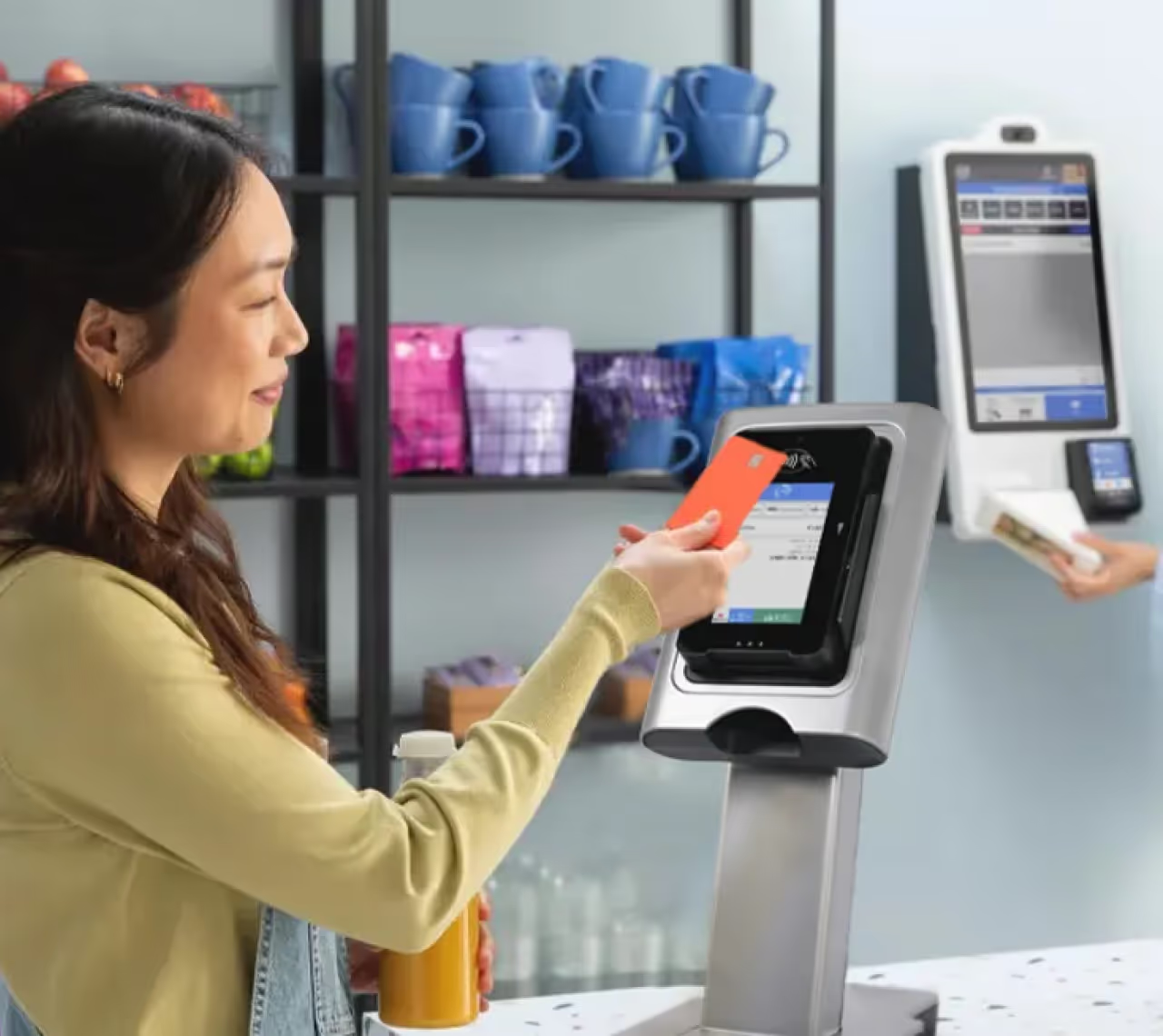
A micro market is essentially a self-service convenience store located right inside your office or building. It uses open shelving, glass-front coolers, and a self-checkout kiosk. Unlike old vending machines that hide products behind glass and coils, micro markets allow people to pick up items, read nutrition labels, and browse before buying.
They are designed for efficiency. Because they use automated technology, they do not require a cashier to be present. "Self-checkout kiosks and cashless payment options reduce labor costs, making them a low-maintenance, high-efficiency alternative" (National Vending). This setup offers 24/7 access to hundreds of products, far exceeding the capacity of traditional vending.
The Connection Between Micro Markets and Workplace Wellness Programs
Wellness programs often fail because they are hard to stick to. You can offer gym memberships, but if the only food available at the office is candy, you undermine your own goals. Food availability is a critical component of any successful health initiative.
Micro markets bridge this gap. They place healthy choices directly in the path of your employees. When a fresh salad is as easy to grab as a candy bar, people are more likely to make the better decision. These markets "help you implement workplace strategies that encourage healthy choices that align with workplace health initiatives" (365 Retail Markets).
How Micro Markets Promote Healthy Lifestyles
The primary benefit of a micro market is the variety it offers. Traditional vending machines are limited by coil size and temperature, which restricts them mostly to preservatives and processed snacks. Micro markets remove these physical barriers.
Key health benefits include:
- Improved Wellness: Access to fresh ingredients supports better immune systems.
- Efficiency: Employees stay on-site rather than driving to fast-food chains.
- Meal Access: Options range from breakfast oatmeal to lunch wraps.
Offering Nutritious, Fresh Food Choices
The impact of diet on work performance is measurable. When employees rely on processed sugar for energy, they experience crashes that kill focus. Providing nutrient-dense food stabilizes energy levels throughout the day.
Research supports this connection between diet and output. In fact, unhealthy dieting practices are linked to a 66% increased risk of productivity loss (ADC-US). By stocking fresh fruits, vegetables, and high-protein snacks, you directly combat this loss.
Encouraging Hydration and Quick Nutrition Breaks
Dehydration and hunger are silent productivity killers. A micro market makes it easy to grab a bottle of water, a sparkling tea, or a coconut water without leaving the building. This convenience encourages staff to stay hydrated.
Furthermore, these markets support quick, effective breaks. Instead of a twenty-minute drive to a coffee shop, an employee can grab a healthy snack in two minutes. This keeps momentum going while still providing a necessary mental pause.
Integrating with Fitness and Wellness Challenges
Micro markets can serve as the reward center for your company's health challenges. If you run a "step count" competition or a "hydration month," you can tie incentives directly to the market.
For example, you might offer credits for healthy items to winners. You can also curate the inventory to match current goals. If the office is focusing on heart health, you can stock more nuts and oats. This flexibility allows the market to evolve with your wellness strategy.
Boosting Employee Satisfaction with Micro Markets
Job satisfaction is often driven by the little things. While salary is important, daily perks shape how people feel about coming to work. A well-stocked micro market signals that a company cares about the daily experience of its team.
How it improves satisfaction:
- Enhanced Culture: It creates a casual space for colleagues to connect.
- Incentives: Companies can load funds onto employee accounts as bonuses.
- Variety: Rotated stock keeps the breakroom exciting.
Employees appreciate not having to pack a lunch every day or leave the office in bad weather. It adds a layer of convenience that simplifies their lives.
How Micro Markets Work in Wellness Initiatives
Implementing a micro market is more than just installing shelves. It is a technological upgrade that supports your broader health goals through data and ease of use. The systems are designed to remove friction between the employee and the healthy product.
Self-Service Technology for Seamless Access
The core of the micro market is the kiosk. Modern kiosks are intuitive and fast. They accept credit cards, mobile payments, and employee account, or thumbprints. This speed is vital for maintaining workflow.
Because the technology is automated, the market is always open. Second-shift workers or those staying late for a deadline have the same access to premium food as the 9-to-5 crowd. This inclusivity is a major morale booster for staff with irregular hours.
Inventory Management and Customization
Smart vending technology tracks every sale in real time. This allows for precise inventory management. If kale chips are selling out but pretzels are sitting, the system knows immediately.
This data allows for deep customization based on dietary needs. You can easily stock organic, gluten-free, or low-fat options to ensure everyone is included. You are not guessing what people want; you are reacting to actual consumption patterns to keep the menu relevant and healthy.
Data Analytics for Program Optimization
Beyond inventory, the data helps you track the success of your wellness program. You can see if sales of water increase during a hydration challenge or if fruit consumption goes up after a health seminar.
This feedback loop allows you to adjust your strategy. If you notice a spike in sugary energy drink sales, you might introduce healthier caffeinated alternatives like green tea or yerba mate. The data turns the breakroom into a measurable part of your health strategy.
Best Practices for Implementation
To get the most out of a micro market, you need a plan. Dropping a kiosk in a hallway is not enough. You must consider the space, the people, and the provider to ensure long-term success.
Assess Your Workforce Needs and Space
Before installation, look at your available space. You need an area with power, internet access, and room for traffic flow. It should be a place where people naturally gather.
Next, ask your employees what they want. Do you have a lot of vegans? Is there a demand for high-protein snacks? Surveying your team before the launch ensures the initial product mix is a hit. This early engagement builds excitement.
Partner with a Managed Service Provider
Managing a micro market yourself is a full-time job. It involves sourcing products, stocking shelves, managing expiration dates, and fixing technical issues. This is why partnering with a managed service provider is essential.
They handle everything from design to daily restocking. Best of all, "typically, there is no cost to you for setting up a micro market" (Mcliff). The provider makes their money through sales, aligning their success with yours.
Promote and Track Engagement
Launch your market with an event. Offer samples and show people how to use the kiosk. Clear communication prevents confusion and encourages immediate adoption.
Once it is running, keep the momentum going. Highlight new healthy arrivals in your internal newsletter. Use the data to run promotions, like "Free Fruit Fridays" or discounts on salads. Active promotion keeps the market top-of-mind.
Common Mistakes to Avoid
Even with good intentions, micro market implementations can stumble. Avoiding these pitfalls ensures your investment pays off in employee satisfaction.
- Ignoring Dietary Restrictions: If you only stock standard snacks, you alienate employees with specific needs.
- Poor Location: Hiding the market in a back corner reduces traffic and increases theft risk.
- Set It and Forget It: Failing to rotate products leads to "menu fatigue." People get bored seeing the same sandwiches every week.
- Lack of Communication: If employees don't know how to set up an account, they won't use it.
Real-World Examples of Success
Micro markets have transformed various environments. In corporate offices, they have replaced the "sad desk lunch" with vibrant community hubs. Teams report taking actual breaks together, leading to better collaboration.
In multi-tenant apartment buildings, lobbies with micro markets see higher resident retention. It becomes a premium amenity that sets the building apart. Residents love being able to grab a late-night snack without leaving the building. These real-world applications prove that convenient access to food adds value anywhere people live or work.
Why Choose Modern Amenities for Your Micro Market Solution
Modern Amenities takes the complexity out of workplace refreshments. We specialize in fully managed smart vending and micro market solutions for offices, apartments, and commercial spaces. Our model is simple: we design, install, and stock the market at no cost to you.
We operate on a revenue-sharing basis, meaning we are invested in your success. Our hands-off approach allows you to focus on your business while we ensure your team has 24/7 access to fresh, healthy food. We handle the technology, the inventory, and the maintenance.
Conclusion
A micro market is more than a convenience; it is a statement about your company values. It shows you prioritize health, efficiency, and employee experience. By providing easy access to nutritious food, you remove barriers to wellness and create a happier, more productive environment.
As you consider upgrading your breakroom, remember that these markets are "an investment in productivity, employee health, and job satisfaction" (Mcliff). With the right partner, it is an upgrade that benefits everyone.
Frequently Asked Questions
How much does installing a micro market cost employers?
Most providers like Modern Amenities install micro markets at no upfront cost, operating on a revenue-sharing model from sales. This eliminates financial risk while ensuring ongoing maintenance and stocking.
What types of healthy foods are typically stocked in micro markets?
Micro markets stock fresh salads, fruits, vegetables, high-protein wraps, gluten-free snacks, organic options, and hydration drinks like coconut water. Inventory rotates based on real-time sales data to match employee preferences.
How do micro markets reduce employee downtime compared to vending machines?
Employees access food in under 2 minutes via self-checkout kiosks, avoiding 20-minute drives to fast food. This keeps staff on-site, boosting productivity by 66% through stable energy from nutritious choices.
Can micro markets accommodate special diets like vegan or keto?
Yes, data analytics enable customization with vegan, keto, gluten-free, and low-fat items. Providers adjust stock in real-time based on purchases, ensuring inclusivity for all dietary needs.
How quickly can a micro market be set up in an office?
Setup typically takes 1-2 weeks after assessing space and surveying employees. Providers handle design, installation, and initial stocking with no employer cost or effort required.