Why Self-Checkout and Cashless Vending Are Becoming the New Norm in Corporate Spaces
Why self-checkout micro markets and cashless vending are replacing traditional machines in corporate offices, with adoption data and the business case for switching.
Introduction: The Shift Toward Automated Workplace Amenities
The shift toward automated workplace amenities is reshaping how employees interact with their environments. Self-checkout systems and cashless vending are becoming increasingly popular in corporate settings, driven by a demand for convenience and efficiency. In 2024, vending and micro market sales surged by 30%, climbing from $26.04 billion to $33.85 billion. This growth reflects a broader trend toward technology integration in everyday business operations.
Cashless vending machines are leading this transformation, representing 75.0% of revenue share in the U.S. as of 2024. These machines streamline transactions, allowing employees to make quick purchases without the hassle of carrying cash. As businesses prioritize employee satisfaction and productivity, the demand for such automated services is expected to rise. Moreover, vending machines tailored for office environments are projected to grow at a compound annual growth rate (CAGR) of 3.5% from 2025 to 2033, indicating sustained interest in these solutions.
This evolution not only enhances workplace convenience but also aligns with broader societal trends toward digital payment systems. The incorporation of smart vending technologies signifies a proactive approach to meeting modern consumer expectations while optimizing operational efficiency. As companies continue to embrace these innovations, the workplace landscape will evolve to prioritize user experience and technological advancement.
The Rise of Cashless Payments in Corporate Vending
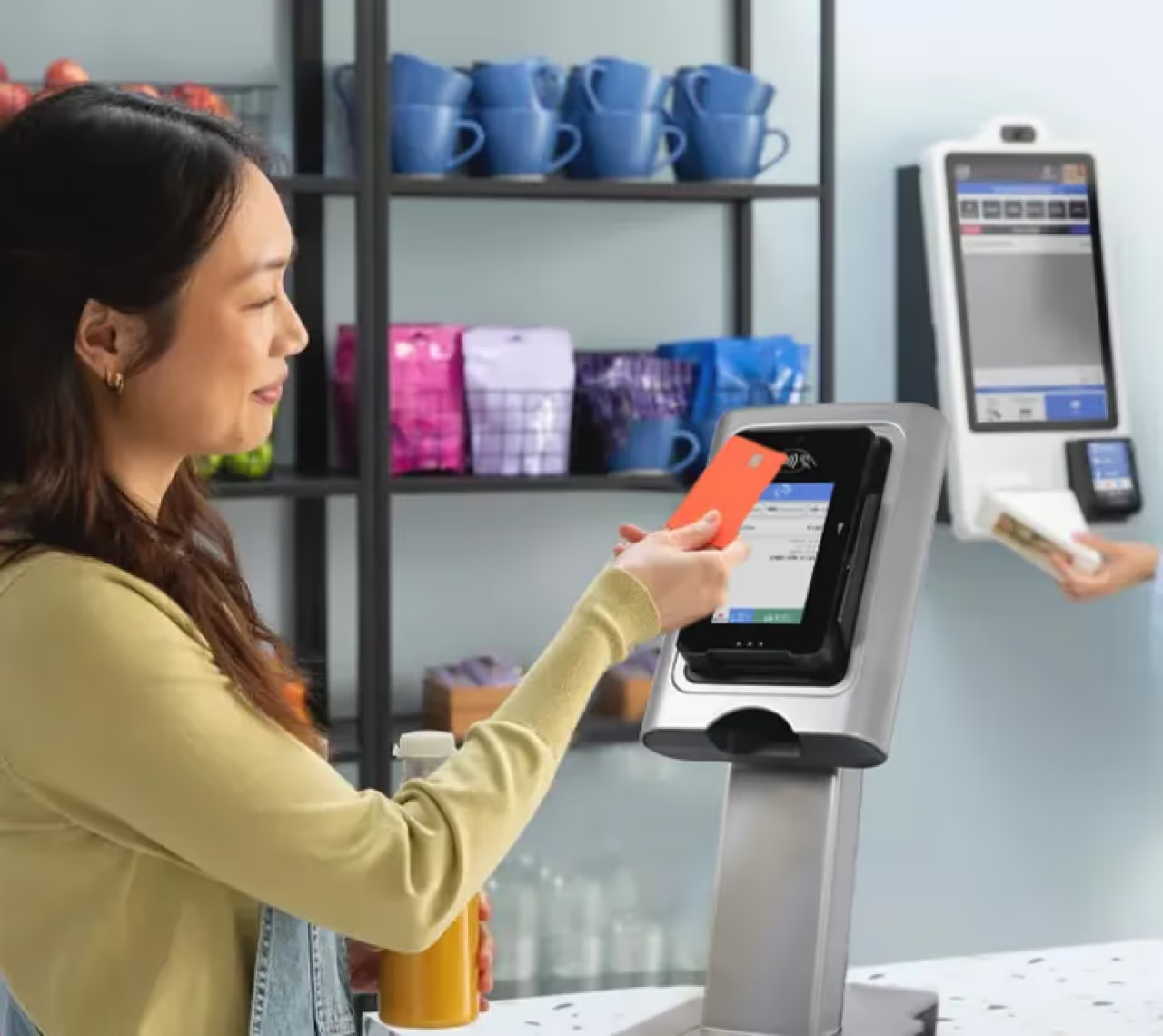
Self-checkout and cashless vending are rapidly becoming essential in corporate environments. The convenience of these systems meets the growing demand for efficient, hassle-free transactions. In fact, cashless payments now account for an average of 69% of food and beverage vending machine sales. This shift is supported by the fact that 96% of vending operators view cashless payment technology as a valuable investment, with over 70% of machines already equipped for it.
As companies look to enhance employee satisfaction, the adoption of cashless vending solutions continues to rise, streamlining operations and making it easier for employees to access refreshments and snacks without the need for cash.
Consumer Spending Patterns with Digital Payments
The rise of cashless vending reflects changing consumer behavior, as digital payments encourage increased spending. Research shows that consumers using cashless methods spend significantly more compared to cash transactions. This shift is particularly pronounced for items associated with social status, highlighting the influence of payment methods on purchasing decisions.
Why Self-Checkout Micro Markets Are Replacing Traditional Vending
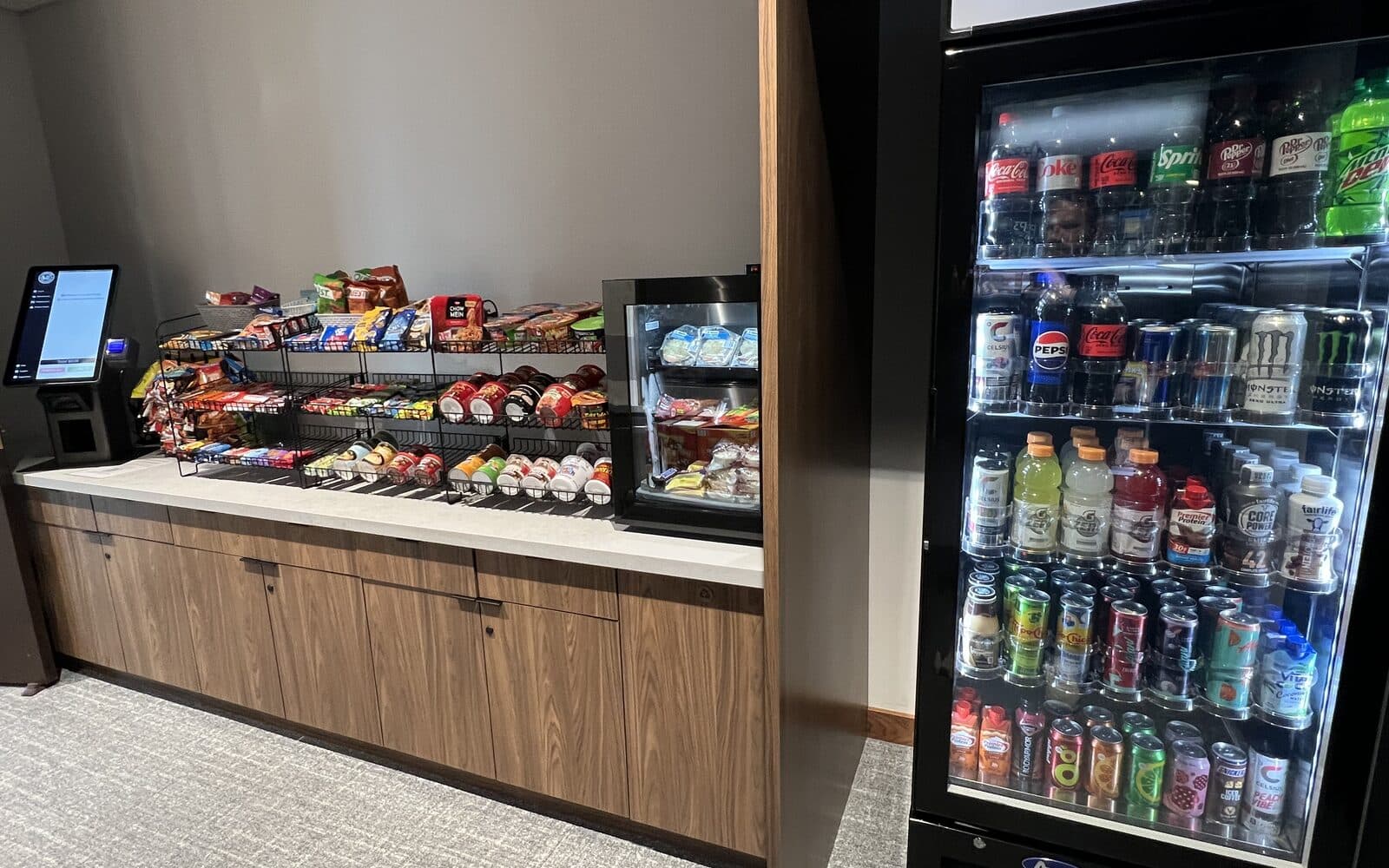
Self-checkout micro markets are rapidly replacing traditional vending machines due to their enhanced convenience and customer experience. These automated systems allow users to select and purchase items without waiting for a cashier, significantly reducing transaction times. As a result, consumers spend fifty-three percent more at micro markets compared to conventional vending machines. This shift is evident, with micro market locations growing by twenty-eight percent in 2024, generating over one billion dollars in sales through more than three hundred seventy-seven million transactions.
The rise of cashless payments has further propelled this trend, with ninety-six percent of transactions at micro markets conducted without physical cash. This not only streamlines the purchasing process but also aligns with the preferences of a tech-savvy workforce that values speed and efficiency. Businesses are increasingly adopting these solutions to enhance employee satisfaction and productivity. The combination of self-checkout technology and cashless transactions represents a significant evolution in workplace amenities, catering to the modern consumer's demand for seamless and efficient shopping experiences. As these micro markets continue to proliferate, they are set to redefine the landscape of workplace dining and refreshment options, making traditional vending machines a less appealing choice for many organizations (Cantaloupe).
Greater Product Variety and Fresh Food Options
Micro markets significantly enhance product variety, offering 200 to 400 items compared to the 40 typically available in traditional vending machines. This increased selection caters to the growing consumer demand for healthier food options.
Enhanced Employee Experience and Convenience
Self-checkout and cashless vending enhance employee experience by providing quick access to nutritious options. With nearly half of office workers having limited lunch breaks, these solutions cater to the demand for convenience and quality in workplace dining.
Technology Driving the Transformation
The rise of self-checkout and cashless vending solutions is revolutionizing corporate spaces. As businesses seek greater efficiency, these technologies are becoming essential. In 2024, the smart vending machine market reached USD 9.73 billion and is projected to grow to USD 24.54 billion by 2034, reflecting a compound annual growth rate of 9.69% (Global Growth Insights).
The integration of cashless transactions is particularly noteworthy, with over 65% of smart vending installations now supporting this feature. This shift not only enhances convenience but also meets the growing demand for contactless solutions, with 70% of smart vending machines offering contactless usage. Such advancements cater to a workforce increasingly accustomed to seamless, technology-driven experiences.
Innovations in vending technology, such as AI-enabled platforms, further exemplify this trend. For instance, Crane Merchandising Systems launched an AI-enabled vending platform that allows for 100% remote inventory monitoring, which has been adopted by over 40% of large operators in 2024. These developments indicate a clear trajectory toward fully automated solutions that prioritize user experience and operational efficiency. As corporate environments continue to evolve, embracing these technologies will be crucial for enhancing employee satisfaction and productivity.
Contactless Payment Methods: Tap, Mobile Wallets, and QR Codes
The rise of contactless payment methods, including mobile wallets and QR codes, enhances convenience in corporate environments. With 65% of U.S. adults using digital wallets by mid-2024, businesses are embracing these technologies to streamline transactions, improve efficiency, and meet employee expectations for seamless purchasing experiences.
Real-Time Inventory Tracking and Data Analytics
Real-time inventory tracking is essential for optimizing cashless vending operations. These systems provide instant updates on stock levels, reducing waste and ensuring product availability. As micro markets can generate up to 300% more sales than traditional vending machines, businesses that implement this technology can significantly enhance their revenue. This trend reflects the growing importance of data analytics in corporate environments.
Business Benefits for Corporate Spaces
The integration of self-checkout and cashless vending systems in corporate spaces offers numerous benefits that enhance both employee satisfaction and operational efficiency. These automated solutions cater to the growing demand for convenience, allowing employees to make quick purchases without the need for cash. This not only speeds up transactions but also minimizes wait times, fostering a more productive work environment.
Investing in automated vending solutions can yield significant returns. For instance, wellness programs linked to such services have been shown to reduce medical costs by $3.27 for every dollar spent (Health Affairs journal). Additionally, the North American micro market is projected to reach a value of $12.1 billion in 2024, with a growth rate of 10.2% over the forecast period (Persistence Market Research). This trend underscores the increasing relevance of smart vending solutions in fostering a healthier and more engaged workforce.
Zero Upfront Costs with Managed Service Models
Managed service models eliminate upfront costs, making them attractive for businesses. These models allow companies to implement smart vending and micro market solutions without significant initial investments. Instead, clients benefit from a revenue-sharing arrangement, ensuring ongoing support and maintenance. This hands-off approach not only enhances employee satisfaction but also simplifies operational management, allowing businesses to focus on their core activities while enjoying modern amenities.
Reduced Administrative Burden and Staffing Requirements
Automated solutions like self-checkout and cashless vending significantly reduce administrative burdens and staffing needs in corporate environments. As employers face challenges in filling vacancies, these technologies offer a seamless experience for employees while minimizing the necessity for on-site staff. This shift not only enhances efficiency but also allows companies to allocate resources more effectively, focusing on core business functions rather than day-to-day vending operations.
The Future of Unattended Retail in Workplaces
Self-checkout and cashless vending are transforming corporate environments, driven by a growing demand for convenience and efficiency. In workplaces, these technologies not only streamline purchasing processes but also enhance employee satisfaction. By eliminating the need for cash transactions, companies foster a more efficient work atmosphere.
As of 2024, cashless vending machines account for 75% of revenue share in the U.S. market. This trend is set to continue, with total contactless payment transactions expected to exceed $10 trillion by 2027, reflecting a projected 221% increase from 2022 to 2026. More than 80% of consumer credit cards are anticipated to feature contactless technology by 2026, highlighting the shift towards a cashless society (Juniper Research).
The rise of unattended retail solutions allows businesses to cater to diverse employee needs while operating seamlessly. By integrating smart vending machines and micro markets, companies can offer healthy snacks, beverages, and meals, enhancing workplace nutrition. As this trend unfolds, organizations are recognizing the benefits of investing in automated retail solutions to stay competitive and meet the evolving expectations of their workforce.
Frequently Asked Questions
What are the main advantages of cashless vending in corporate spaces?
Cashless vending enhances transaction speed and reduces wait times, allowing employees to make quick purchases. It also eliminates the need for cash handling, promoting a more efficient and convenient environment.
How do self-checkout micro markets differ from traditional vending machines?
Self-checkout micro markets offer a greater variety of products, typically 200 to 400 items, compared to only 40 in traditional vending machines. They also provide faster transactions and are often fully cashless.
What impact do cashless payment methods have on consumer spending?
Research indicates that consumers using cashless payment methods tend to spend significantly more than those using cash, especially on items associated with social status, influencing overall purchasing behavior.
How can businesses benefit from managed service models for vending solutions?
Managed service models allow businesses to implement vending solutions without upfront costs, benefiting from revenue-sharing arrangements. This approach simplifies operations and ensures ongoing support and maintenance.
What trends are shaping the future of vending in corporate environments?
The future of vending is driven by the increasing adoption of cashless payments, real-time inventory tracking, and the integration of smart technologies. These trends aim to enhance employee satisfaction and operational efficiency.