Smart Cooler Installation Checklist for Student Housing
A step-by-step checklist for installing smart coolers in student housing: site prep, electrical and ADA requirements, launch day, and ongoing maintenance.
Introduction: Why Smart Coolers Are Essential for Student Housing
Smart coolers are becoming essential in student housing due to their convenience and technological advancements. As the global intelligent vending machines market is projected to grow from approximately USD 26.09 billion in 2024 to USD 98.43 billion by 2034, smart coolers are a key component of this expansion. They offer easy access to snacks and beverages, helping to meet the demands of busy students.
Furthermore, the student housing market in the U.S. is expected to grow at a CAGR of 5.1% from 2024 to 2030, indicating a rising need for modern amenities like smart coolers that enhance student living experiences.
Modern Amenities - Complete Turnkey Smart Cooler Solutions
The installation of smart coolers in student housing buildings is a transformative step towards enhancing the living experience for students. These innovative solutions not only provide easy access to snacks and beverages but also integrate advanced technology that streamlines operations. As the demand for modern amenities rises, particularly in the student housing sector, implementing smart coolers becomes increasingly vital.
This trend is underscored by the growth of companies like 365 Retail Markets, which reported revenue increasing from $14.4 million in 2021 to $32.1 million in 2023, highlighting the expanding market for self-service retail technologies. By adopting smart cooler solutions, student housing facilities can meet the convenience needs of busy students while also driving revenue through innovative vending options. The future of student living is undoubtedly tied to these advancements, offering a hands-free, efficient approach to on-demand food and beverage access.
Zero Upfront Costs with Revenue-Sharing Model
Implementing a revenue-sharing model for smart cooler installations in student housing eliminates upfront costs for property managers. This approach allows institutions to benefit financially while providing modern conveniences to students. By sharing profits from sales, educational facilities can enhance their amenities without financial risk, creating a mutually beneficial arrangement.
This model not only supports operational efficiency but also aligns with the increasing demand for innovative living solutions.
Fully Managed Installation and Maintenance
A smart cooler installation checklist for student housing should include several key steps to ensure a seamless integration. Start by assessing the location for adequate electrical supply and ventilation. Next, confirm the cooler's dimensions align with the space and check for accessibility. Finally, ensure software integration with existing systems for inventory management and user interaction, enhancing the overall efficiency and user experience.
AI-Powered Inventory Management
Installing smart coolers in student housing requires careful planning to ensure seamless integration and operation. Begin by assessing the space for suitable locations, considering foot traffic and accessibility. Next, verify power and internet connections, as many smart coolers require these for optimal functionality.
Finally, familiarize staff with the cooler's features, such as inventory tracking and cashless payment options, to maximize efficiency. This preparation helps create a hassle-free experience for students while enhancing operational management.
24/7 Student Access to Curated Products
Smart coolers provide students with 24/7 access to a curated selection of snacks and beverages, addressing their busy lifestyles. This convenience is particularly advantageous for students who may not have time to shop for essentials after classes or study sessions. By incorporating smart coolers, student housing not only enhances the living experience but also creates an efficient, hands-off solution that meets the demands of a modern student population.
Pre-Installation Planning Checklist
Planning for the installation of smart coolers in student housing is crucial for maximizing their effectiveness and ensuring a seamless integration into the living environment. Smart coolers not only provide convenience but also cater to the evolving needs of students, enhancing their overall experience.
To set the stage for a successful installation, several factors should be considered. Understanding the specific needs of the student population and their traffic patterns helps in making informed decisions. Additionally, identifying optimal placement locations ensures maximum visibility and accessibility. Furthermore, evaluating the electrical infrastructure is essential to support the operation of these technologically advanced units. A thorough pre-installation checklist can streamline the process and mitigate potential issues, contributing to the long-term success of the smart cooler initiative in student housing.
Assess Student Population and Traffic Patterns
Understanding the student population and their traffic patterns is vital for effective smart cooler installation. Analyzing peak hours, popular locations, and student demographics informs decisions about where to place coolers for maximum engagement. For instance, positioning them near study areas or common lounges can enhance visibility and usage. This strategic placement caters directly to student needs, ensuring convenience and satisfaction.
Identify Optimal Placement Locations
Identifying optimal placement locations for smart coolers in student housing is critical for maximizing their impact. High-traffic areas such as lobbies, common rooms, and near study spaces ensure visibility and accessibility. Additionally, placing coolers close to amenities like laundry rooms or vending areas can drive usage. Understanding student movement patterns and preferences will further enhance convenience and encourage frequent use.
Evaluate Electrical Infrastructure Requirements
Evaluating the electrical infrastructure is crucial for the successful installation of smart coolers in student housing. Ensure that electrical receptacles meet ADA requirements, with placements between 15 and 48 inches from the floor. This attention to accessibility guarantees that all students can easily use the coolers, enhancing their convenience.
Site Preparation Requirements
Preparing for the installation of smart coolers in student housing is crucial for maximizing their benefits and ensuring a seamless integration into the living environment. Proper site preparation can significantly impact the functionality and user experience of these modern amenities.
Key considerations include electrical requirements, spatial dimensions, and accessibility. Ensuring dedicated circuits can help avoid overloading, while maintaining adequate space and clearance is vital for both operation and safety. Additionally, compliance with the Americans with Disabilities Act (ADA) is essential to make these coolers accessible to all residents.
Security and visibility are also important factors; strategically placing coolers can enhance usage while deterring vandalism. As the demand for smart solutions in student housing continues to rise, addressing these preparation requirements will facilitate a successful implementation process that meets the needs of residents and property managers alike.
Electrical Specifications and Dedicated Circuits
When installing smart coolers in student housing, understanding electrical specifications is vital. Each cooler requires a dedicated circuit to prevent overload and ensure optimal performance. This means assessing the amperage needs of the coolers and confirming that the building's electrical system can support them. Using dedicated circuits not only enhances reliability but also minimizes the risk of tripped breakers, which can disrupt service. Additionally, proper placement of outlets is crucial; they should be easily accessible while adhering to safety codes. This careful planning contributes significantly to the overall functionality of the installations.
Space Dimensions and Clearance Needs
Understanding space dimensions and clearance needs is crucial for the effective installation of smart coolers in student housing. Each unit should have sufficient space around it to allow for proper airflow and maintenance access. Typically, a clearance of at least 12 inches on all sides is recommended to ensure optimal performance. Additionally, ensuring the coolers are placed in well-lit, visible areas enhances security and encourages usage among residents.
Accessibility and ADA Compliance
Ensuring ADA compliance during smart cooler installation is vital for accessibility. Key requirements include:
- Maximum 48-inch high side reach for unobstructed elements
- Minimum 15-inch low side reach where element is unobstructed
- Operable with one hand without tight grasping, pinching, or twisting
- Maximum 5 pounds force required to activate
Adhering to these guidelines guarantees that all residents can easily access the amenities.
Security and Visibility Considerations
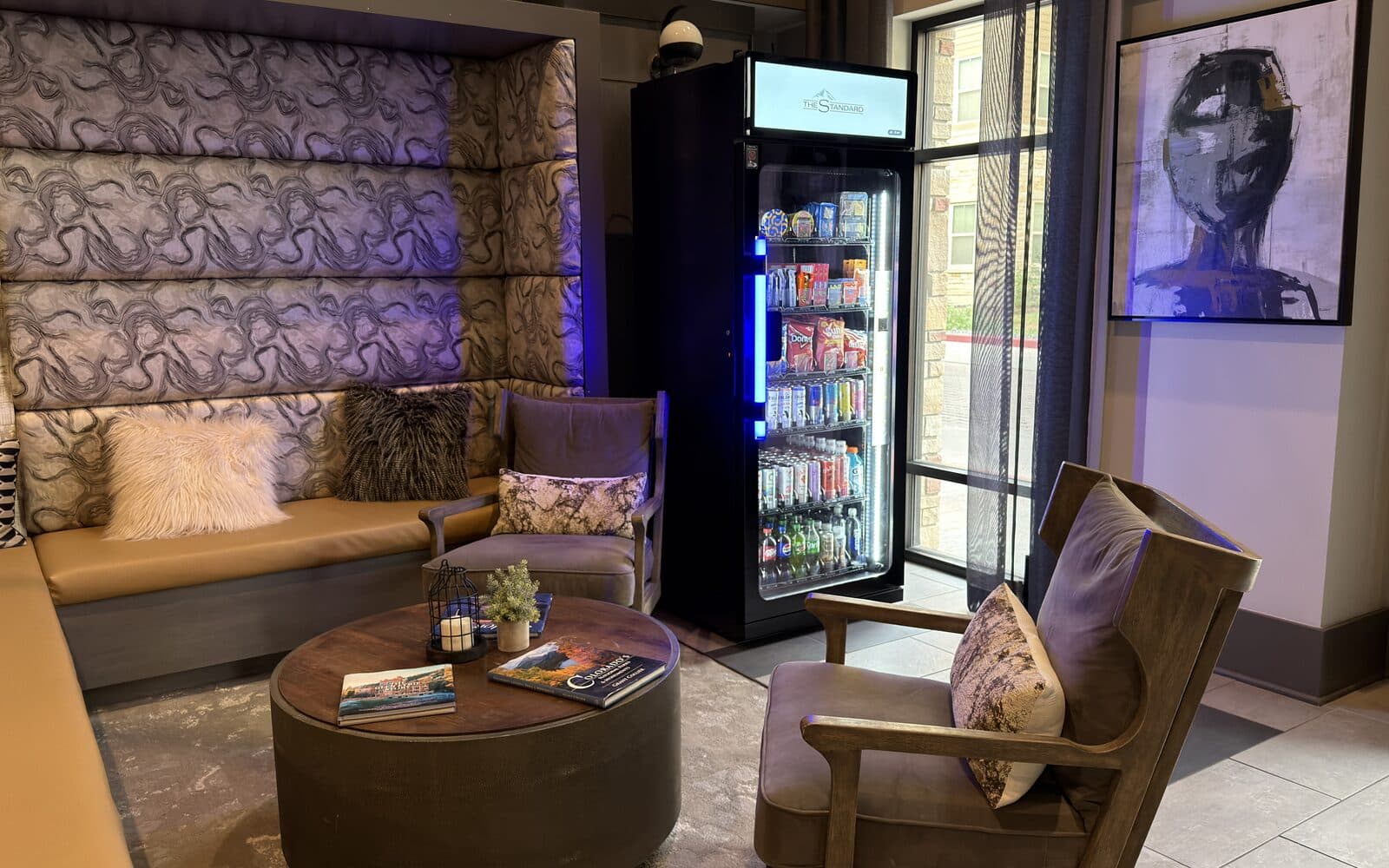
Security and visibility are critical when installing smart coolers in student housing. Positioning these units in well-lit, high-traffic areas not only encourages usage but also minimizes the risk of vandalism. Utilizing surveillance cameras and regular security checks can further enhance safety. Additionally, incorporating transparent doors on coolers allows residents to easily see contents, promoting engagement while ensuring that the machines remain attractive and secure. This strategic placement ultimately fosters a positive environment for all residents.
Installation Day Checklist
Installing smart coolers in student housing is a crucial step in modernizing amenities and enhancing convenience for residents. These installations can significantly improve the overall living experience by providing easy access to snacks and beverages, which is particularly beneficial for busy students.
Effective installation requires careful planning and coordination to ensure seamless integration into the building's infrastructure. Proper logistics for delivery and equipment transport, alongside reliable power connections and network setup, are essential. Additionally, the initial stocking and configuration of products must align with the needs and preferences of the student population. With the student housing market projected to grow at a rate of 5.1% annually, the demand for such modern amenities is undeniable. As this trend continues, ensuring an efficient installation process will be vital for optimizing both functionality and user satisfaction.
Delivery and Equipment Transport Logistics
Effective delivery and equipment transport logistics are vital for the successful installation of smart coolers in student housing. This process involves coordinating with suppliers for timely arrival, ensuring proper handling to prevent damage, and planning the layout to facilitate easy access. Additionally, establishing reliable power connections and network setups ahead of time can streamline the integration, ultimately enhancing the user experience for residents.
Power Connection and Testing
Reliable power connections are crucial for the successful operation of smart coolers in student housing. Each unit typically requires a dedicated power source to function efficiently, minimizing the risk of outages or malfunctions. Testing these connections before installation ensures that all units receive adequate voltage and current. Additionally, integrating backup power solutions can prevent disruptions during peak usage times, further enhancing the convenience for students and maintaining continuous service.
Network Connectivity Setup
Setting up network connectivity for smart coolers in student housing is essential for optimal functionality. This involves ensuring reliable internet access for real-time inventory management and remote monitoring. A dedicated network with adequate bandwidth minimizes disruptions, allowing seamless transactions. Proper security measures should also be implemented to protect user data and enhance operational efficiency.
Initial Product Stocking and Configuration
Initial product stocking and configuration is critical for the success of smart coolers in student housing. Begin by surveying the preferences of residents to determine popular snacks and beverages. Ensure that the inventory reflects diverse dietary needs, including healthy options. Finally, establish a systematic restocking schedule to maintain product availability, enhancing user satisfaction and convenience.
Post-Installation Verification Steps
Post-installation verification is crucial for ensuring that smart coolers function optimally in student housing environments. This step not only confirms the equipment's readiness but also enhances user satisfaction and operational efficiency. The installation process marks the beginning of a new service model, where reliability and convenience are paramount for students seeking quick access to refreshments.
A comprehensive verification approach includes multiple checks that validate the system's functionality. This process ensures payment systems work seamlessly, temperature controls maintain the ideal conditions for perishable items, and remote monitoring capabilities are fully operational. Additionally, training housing staff on basic operations is vital, as they will be the first line of support for residents. Proper verification mitigates future issues, ensuring that the coolers deliver consistent service.
With the smart cooler market projected to grow significantly, organizations must prioritize these verification steps to stay competitive and meet rising student demands for modern amenities. A proactive approach not only safeguards investments but also enhances the overall living experience for students in these dynamic housing settings.
Test All Payment Systems
Testing all payment systems is essential to ensure seamless transactions in smart coolers. This process involves validating various payment methods, including credit/debit cards, mobile wallets, and contactless payments. Each system should be assessed for reliability and speed, confirming that transactions are processed efficiently. Additionally, conducting user experience testing can identify any potential issues students might face. By ensuring that all payment options function flawlessly, operators can enhance user satisfaction and foster trust in the smart cooler's reliability.
Verify Temperature Controls
Verifying temperature controls is essential to ensure that smart coolers maintain optimal conditions for perishable items. This involves checking the settings and calibration of each unit. Regular monitoring can prevent spoilage and ensure that students have access to fresh products. Additionally, integrating remote alerts for temperature fluctuations can enhance responsiveness, allowing staff to address issues before they affect inventory.
Confirm Remote Monitoring Functionality
Confirming remote monitoring functionality is essential for the smooth operation of smart coolers in student housing. This capability allows property managers to track inventory levels, monitor temperature settings, and receive alerts for maintenance issues in real-time. By utilizing cloud-based management systems, staff can quickly address any problems, ensuring that the coolers consistently provide fresh, safe products. This proactive approach enhances user satisfaction and operational efficiency.
Train Housing Staff on Basic Operations
Training housing staff on basic operations of smart coolers is essential for effective management. Staff should understand how to operate the coolers, troubleshoot common issues, and assist students with transactions. This knowledge ensures prompt support, enhancing user experience and minimizing downtime. Regular refresher training can keep staff updated on new features and operational protocols, fostering a responsive environment for residents.
Ongoing Maintenance and Service Protocols
Ongoing maintenance and service protocols are crucial for ensuring the longevity and efficiency of smart coolers in student housing. These protocols not only enhance the user experience but also help maintain the technology's operational integrity. Regular maintenance can prevent malfunctions and extend the life cycle of the equipment, which is vital in environments with high foot traffic, such as student residences.
A well-structured maintenance program typically includes regular inspections, restocking schedules, and cleaning routines. By adhering to these practices, facilities can ensure that smart coolers remain stocked with popular items, thereby meeting student demands effectively. Additionally, monitoring equipment performance allows for timely repairs and minimizes downtime.
Implementing student feedback collection systems can further enhance service quality. By actively seeking input from users, management can identify areas for improvement and adapt to changing preferences. This proactive approach not only fosters a positive environment but also aligns with the growing trend of personalized services in student housing.
Overall, a comprehensive maintenance and service strategy is essential for maximizing the benefits of smart coolers in student living spaces. With the student housing market projected to grow significantly, maintaining high standards will be key to attracting and retaining residents.
Regular Restocking Schedules
Regular restocking schedules are vital for keeping smart coolers fully operational and appealing to students. By analyzing purchasing patterns, facilities can determine which items are most popular and when to replenish supplies. Implementing a weekly or bi-weekly restocking schedule ensures that high-demand products are always available, reducing the likelihood of empty shelves. This proactive approach not only enhances user satisfaction but also maximizes sales potential, ultimately benefiting the overall service model in student housing.
Cleaning and Sanitization Standards
Cleaning and sanitization standards for smart coolers in student housing are essential to ensure health and safety. Regular cleaning protocols should include disinfecting surfaces, checking for spills, and ensuring that food items are stored at appropriate temperatures. It's important to establish a cleaning schedule that aligns with high-traffic times, such as weekends or exam periods, to maintain hygiene effectively. Additionally, training staff on proper sanitization techniques can prevent contamination and enhance the overall user experience. By prioritizing cleanliness, facilities can foster a safe environment for students.
Equipment Monitoring and Repairs
Regular monitoring and prompt repairs of smart coolers in student housing are essential for maintaining optimal performance. Implementing a system for tracking equipment health can help identify issues before they escalate. For instance, using IoT sensors can provide real-time data on temperature and inventory levels, ensuring the coolers operate efficiently. This proactive approach minimizes downtime and enhances user satisfaction by ensuring that popular items are consistently available.
Student Feedback Collection Systems
Implementing student feedback collection systems is vital for optimizing the performance of smart coolers in student housing. These systems can take various forms, such as surveys, suggestion boxes, or mobile apps that allow students to quickly provide input on their experiences. By actively gathering feedback, management can identify popular products, track usage patterns, and adjust inventory accordingly. This responsiveness not only enhances student satisfaction but also fosters a sense of community, as residents feel their preferences are valued and addressed.
Safety and Compliance Considerations
Ensuring safety and compliance during the installation of smart coolers in student housing is crucial. These installations must adhere to various regulations to protect residents and maintain operational efficiency. Key areas of focus include fire safety, food safety, and energy efficiency, which are essential for mitigating risks associated with equipment malfunctions and ensuring the well-being of users.
Moreover, having adequate insurance and liability coverage protects both the property owners and the service providers involved. As the market for smart coolers grows, understanding these compliance factors will enhance overall safety and reliability in student living environments.
Fire Safety Regulations
Fire safety regulations for smart cooler installations in student housing must be diligently followed to ensure resident safety. Key elements include maintaining clear access to exits, using fire-resistant materials for cooler construction, and ensuring proper electrical installations to prevent overloads. Regular inspections and adherence to local fire codes are vital for compliance and risk mitigation.
Food Safety Standards
Food safety standards are crucial for the installation of smart coolers in student housing. Operators must ensure that calorie declarations are clear, conspicuous, and prominently placed. Information can be disclosed via signs, stickers, posters, or electronic displays. Additionally, operators are required to provide contact information for enforcement purposes. Front-of-package calorie labeling can satisfy compliance requirements if it is visible before purchase. Adhering to these standards not only promotes health but also builds trust among residents.
Energy Efficiency Requirements
Energy efficiency in smart cooler installations is vital for sustainability and cost-effectiveness. Proper insulation and energy-efficient components can reduce operational costs by 20-30%. Additionally, utilizing smart technology for monitoring energy usage helps identify inefficiencies, ensuring optimal performance while minimizing environmental impact.
Insurance and Liability Coverage
Insurance and liability coverage for smart cooler installations in student housing is vital for mitigating risks and ensuring compliance. Property owners should secure policies that cover potential damages, equipment malfunctions, and injuries. This protection not only safeguards investments but also enhances trust among residents and service providers, promoting a safer living environment.
Maximizing Student Engagement and Usage
Maximizing student engagement and usage of smart coolers in housing facilities is essential for enhancing the overall living experience. As students seek convenience and accessibility, the presence of these technologically advanced vending solutions can significantly impact their daily routines. Smart coolers not only provide quick access to refreshments but also serve as a modern amenity that attracts residents.
The integration of smart coolers can elevate a housing facility's appeal, contributing to higher occupancy rates and resident satisfaction. Research indicates that 72% of students prefer amenities that enhance their quality of life, which underscores the importance of investing in innovative solutions like smart coolers. By understanding student preferences and implementing effective strategies, housing providers can foster a vibrant community and ensure that residents make the most of these valuable resources.
Strategic Product Selection for Student Demographics
Selecting the right products for smart coolers in student housing requires understanding the preferences and needs of students. Offering a variety of healthy snacks, quick meals, and popular beverages ensures that options cater to diverse tastes. Additionally, incorporating locally sourced items can enhance appeal and support community engagement.
Given that many students juggle classes and jobs, convenient access to quick nutrition is vital. Smart coolers can serve this purpose effectively, making on-site vending a crucial amenity. This strategic selection not only fosters student satisfaction but also encourages regular usage.
Mobile Payment Integration
Integrating mobile payment systems into smart coolers greatly enhances convenience for students. By allowing transactions through smartphones or contactless cards, these systems cater to the preferences of tech-savvy users. Research shows that 52% of students prefer debit and credit cards for purchases, making cashless options essential for maximizing usage. This not only streamlines the purchasing process but also increases sales, as seen in implementations where cashless payments significantly boosted revenues.
Frequently Asked Questions
What are the key benefits of installing smart coolers in student housing?
Smart coolers offer 24/7 access to snacks and beverages, cater to busy student lifestyles, and enhance convenience, ultimately improving resident satisfaction and generating additional revenue for housing facilities.
How can student housing facilities ensure ADA compliance during smart cooler installation?
Facilities should ensure that coolers are accessible, with elements reachable within specified height limits, operable with one hand, and requiring minimal force to activate, following ADA guidelines to enhance usability for all residents.
What types of products should be stocked in smart coolers to attract students?
A diverse selection of healthy snacks, quick meals, and popular beverages, including locally sourced items, is essential to cater to student preferences and dietary needs, encouraging frequent use of the coolers.
How can housing managers effectively gather feedback from residents on smart cooler usage?
Implementing feedback collection systems such as surveys, suggestion boxes, or mobile apps allows managers to gather insights on student preferences and satisfaction, facilitating continuous improvement in product offerings and services.
What maintenance practices are essential for keeping smart coolers operational?
Regular inspections, cleaning, timely restocking, and prompt repairs are crucial for maintaining smart coolers. Monitoring equipment performance and soliciting student feedback can help ensure a consistently positive user experience.