Who Pays for a Smart Micro-Market? Understanding Revenue Share & Zero-Investment Models
Explains the zero-investment micro-market model: what providers cover, what employers still need to supply, and typical revenue-share commission ranges.
Introduction: The Zero-Investment Revolution in Workplace Amenities
The integration of smart micro-markets into workplaces is revolutionizing employee amenities, offering a hands-off solution for businesses. These markets provide fresh food and beverages in a convenient format, catering to the growing demand for healthier options. With 51% of employees actively seeking new opportunities in 2025, enhancing workplace culture through improved amenities can significantly reduce turnover, with 42% of exits deemed preventable.
As organizations adapt to changing workforce needs, the shift from traditional vending to micro-markets is notable. Active micro market locations surged to 30,385 in 2022, reflecting an 18% increase from the previous year. This growth is largely attributed to operators converting existing vending locations as offices reopened, demonstrating a clear trend towards modernizing workplace amenities. By investing in smart solutions, companies not only enhance employee satisfaction but also foster a more engaged workforce, ultimately driving productivity and retention.
What is a Smart Micro-Market and How Does It Work?
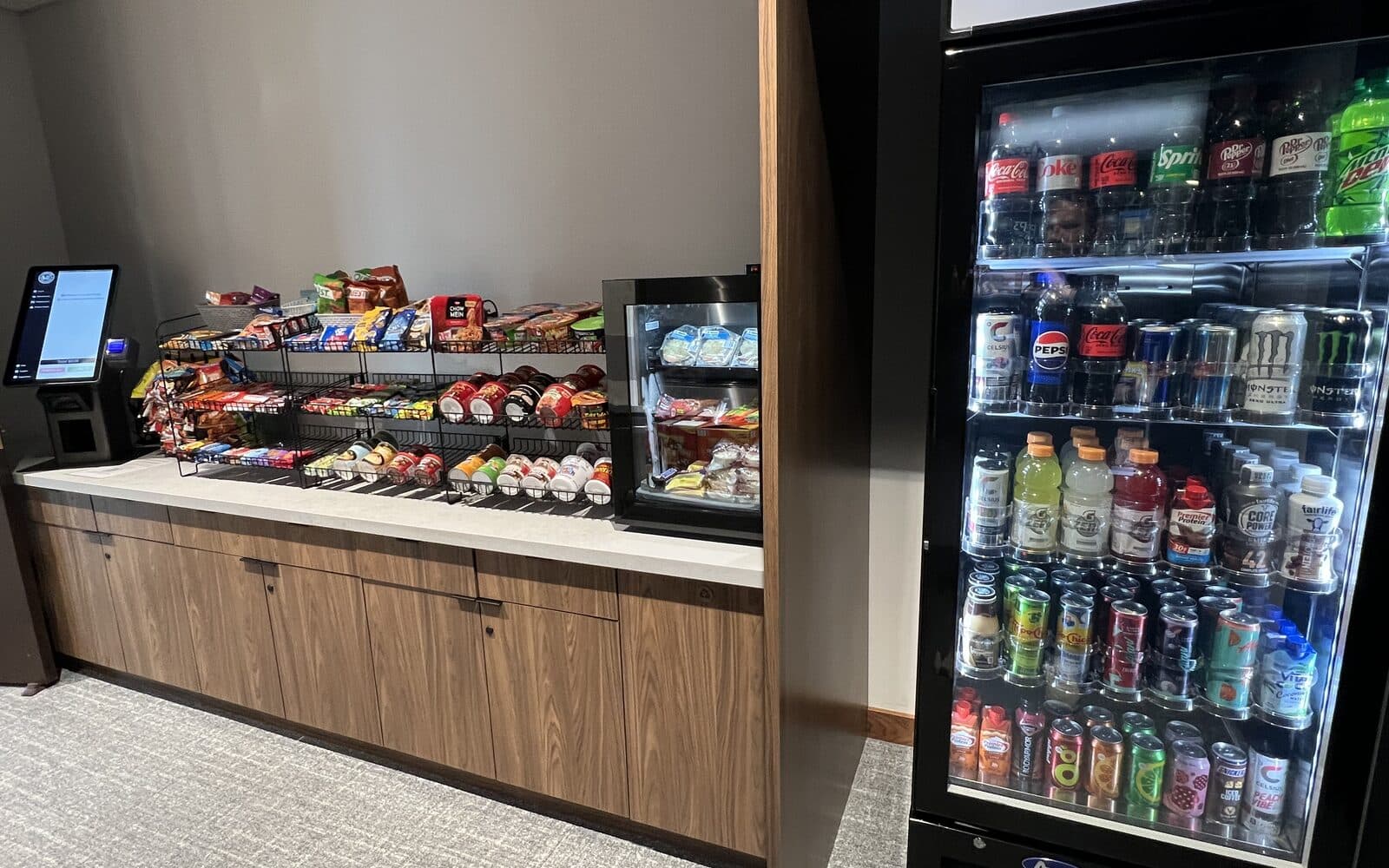
Smart micro-markets represent a transformative approach to workplace amenities, combining convenience and technology to meet modern consumer demands. Unlike traditional vending machines, which typically hold around 40 products, a typical micro market stocks between 150 and 400 items, providing a wider selection of fresh food and beverages. This shift not only enhances employee satisfaction but also aligns with the growing emphasis on healthier eating options in work environments.
These markets operate using advanced technology, allowing employees to shop freely while maintaining security and efficiency. The self-service nature of micro-markets promotes a casual shopping experience, enabling users to select items without the need for staff assistance. Additionally, the revenue-sharing model allows businesses to implement these solutions without upfront costs, making it an appealing option for many organizations looking to modernize their facilities. As more workplaces adopt this model, the potential for increased employee engagement and retention grows, reflecting a significant evolution in how companies approach employee well-being and satisfaction.
Self-Service Convenience Store Technology
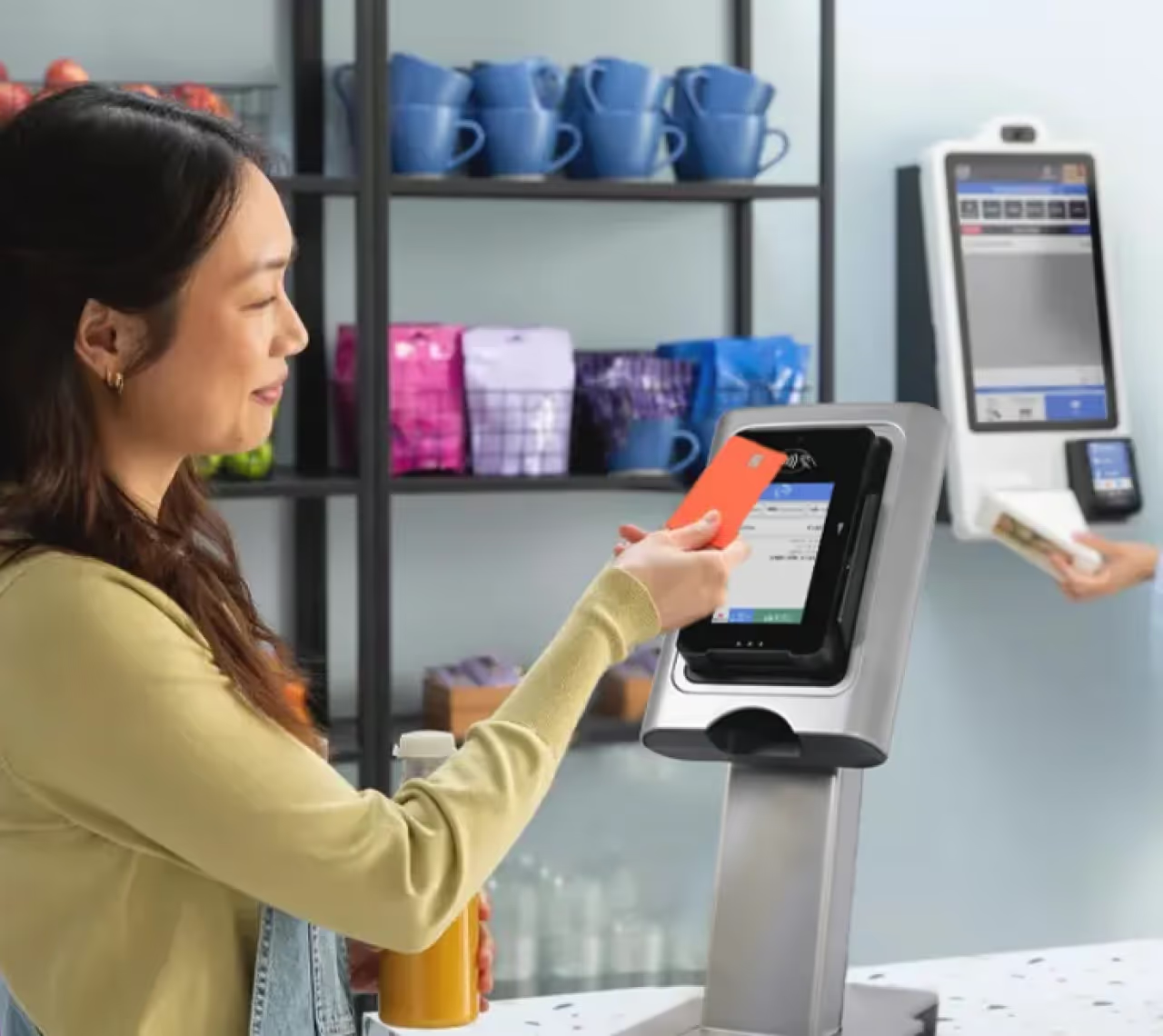
Smart micro-markets leverage cutting-edge technology to enhance customer experience through self-service convenience. This approach allows users to browse and select items without staff intervention, fostering a relaxed shopping atmosphere. The integration of self-checkout options has proven effective, with 73% of shoppers expressing a preference for this method, which boosts overall satisfaction in retail settings. Additionally, the revenue-sharing model eliminates upfront costs for businesses, making it financially viable to adopt these innovative solutions. This shift not only modernizes workplace amenities but also encourages healthier eating habits among employees.
The Role of Kiosks and Payment Systems
Kiosks and payment systems play a crucial role in enhancing the efficiency of smart micro-markets. By integrating self-service kiosks, businesses can streamline the purchasing process, allowing employees to quickly select and pay for items. This not only reduces wait times but also increases order sizes, with a typical lift of 20-25% per order compared to traditional point-of-sale methods. Additionally, advanced payment systems support various payment options, catering to the diverse preferences of users and improving overall customer satisfaction.
Understanding the Zero-Investment Model: Who Really Pays?
The zero-investment model for smart micro-markets is reshaping how businesses approach employee amenities. This model allows organizations to offer advanced food and beverage options without incurring upfront costs, making it an appealing choice for many workplaces. By leveraging a revenue-sharing structure, service providers assume the initial financial burden, facilitating a seamless integration of micro-markets into various environments.
As the demand for convenient and healthier food options continues to rise, understanding who ultimately bears the costs becomes crucial. Employers are increasingly recognizing the value of enhancing workplace culture through improved amenities. With 51% of employees actively seeking new job opportunities, investing in employee satisfaction can yield significant returns, including reduced turnover. Furthermore, as the number of active micro-market locations reached over 30,000 last year, it's clear that businesses are adapting to modern employee needs by embracing this innovative amenity solution.
In this context, it's essential to explore how providers manage upfront costs and what employers are responsible for financially. This understanding will clarify the dynamics of the zero-investment model and its implications for workplace environments, ensuring that both service providers and businesses can benefit from this evolving trend.
How Providers Cover Upfront Costs
Providers of smart micro-markets often cover upfront costs through a revenue-sharing model, allowing businesses to enjoy modern amenities without initial investments. This model typically involves the provider absorbing costs ranging from $13,000 to $16,000 for necessary equipment like displays and kiosks, which ultimately leads to higher returns compared to traditional vending. By shifting financial responsibility, organizations can focus on enhancing employee satisfaction and productivity.
What Employers Actually Pay For
Understanding who pays for smart micro-markets is essential for employers considering this solution. Typically, service providers cover upfront costs through revenue-sharing models, allowing businesses to enhance employee amenities without initial investment. Employers may only need to commit to minimum purchase agreements or share a portion of the generated revenue, making it a financially attractive option.
Modern Amenities Offering Zero-Investment Models
The rise of smart micro-markets in workplaces offers a game-changing approach to employee amenities, particularly through zero-investment models. These models enable organizations to enhance their offerings without incurring upfront costs, making it easier for businesses to adopt modern solutions. By partnering with service providers, companies can implement fully managed micro-markets that operate on a revenue-sharing basis. This arrangement not only alleviates financial burdens but also ensures that employees have access to fresh and healthy food options.
With a significant portion of the workforce prioritizing workplace satisfaction, organizations can improve employee retention by investing in amenities that promote well-being and convenience. In fact, studies indicate that enhancing workplace culture can reduce turnover, with nearly half of employee exits deemed preventable.
Modern Amenities: Fully Managed, Zero-Cost Installation
Organizations adopting smart micro-markets benefit from fully managed services that require no upfront investment. This zero-cost model allows companies to implement modern amenities without financial strain, as service providers handle installation and ongoing management. Revenue-sharing agreements ensure that both parties profit, creating a win-win scenario. Employees enjoy fresh, healthy food options, which can enhance workplace satisfaction and retention. This approach not only modernizes the workplace but also aligns with employee preferences for convenience and quality.
How Revenue Share Agreements Work in Micro-Markets
Revenue share agreements are essential in the micro-market industry, allowing businesses to implement smart solutions without upfront costs. These agreements enable operators to install and manage micro-markets while sharing the generated revenue with the host location. This model significantly reduces financial barriers, making it attractive for companies looking to enhance employee amenities.
Typically, the revenue generated from sales is divided between the operator and the location based on mutually agreed percentages. This approach encourages a partnership where both parties benefit financially. As the demand for convenient and healthy food options grows, understanding the dynamics of revenue share agreements becomes crucial for businesses aiming to modernize their offerings and improve employee satisfaction.
Typical Commission Structures (5-25% Range)
Commission structures in the micro-market industry typically range from 5% to 25%, depending on various factors such as location, sales volume, and product offerings. For instance, a high-traffic office building may negotiate a higher percentage due to increased sales potential. Conversely, a smaller location may settle for a lower rate to attract a reliable operator. This flexibility allows businesses to customize agreements based on their specific needs and market conditions, fostering a collaborative environment where both the operator and the host location can thrive financially.
Factors That Influence Revenue Split Percentages
Revenue split percentages in smart micro-markets are influenced by several factors, including the location's foot traffic, the type of products offered, and the operational expenses incurred by the operator. High-traffic areas with a diverse product selection typically command a larger share of revenue for the operator due to increased sales potential. Additionally, the costs associated with stocking, maintaining, and managing the micro-market can also play a significant role in determining the split. Striking a fair balance ensures both parties benefit and fosters a sustainable partnership.
Payment Schedules and Reporting Transparency
Payment schedules in revenue-sharing agreements for smart micro-markets typically operate on a monthly basis. Operators track sales data and calculate revenue, distributing agreed percentages to the host location. This transparency fosters trust and collaboration. Additionally, detailed reporting on sales trends and inventory levels helps businesses make informed decisions about product offerings. By understanding these financial dynamics, companies can optimize their micro-market setups, ensuring they meet employee preferences while maximizing profitability.
What Employers Provide vs. What Providers Cover
Understanding the distribution of responsibilities between employers and providers is crucial when implementing smart micro-markets. Employers typically need to ensure that adequate space, power, and internet connectivity are available for the systems to function effectively. This initial setup lays the groundwork for a successful partnership, as the micro-markets thrive in environments that support seamless operation.
On the other hand, providers are responsible for delivering the equipment, managing installation, and maintaining the systems. This division of labor allows businesses to focus on their core activities while enjoying the benefits of modern amenities without upfront costs. With the market for smart micro-markets growing—over 30,000 locations reported in 2022—understanding these roles can help organizations leverage their investments effectively and enhance employee satisfaction through improved access to healthy options.
Employer Responsibilities: Space, Power, and Internet
Employers play a critical role in the successful implementation of smart micro-markets by ensuring the necessary infrastructure is in place. This includes providing adequate physical space, reliable power sources, and robust internet connectivity. Each of these elements is essential for the seamless operation of micro-markets, allowing them to function efficiently and meet employee needs effectively.
Provider Responsibilities: Equipment, Installation, and Maintenance
Providers play a crucial role in ensuring that smart micro-markets operate smoothly. They are responsible for delivering the necessary equipment, overseeing installation, and conducting ongoing maintenance. This allows businesses to focus on their core functions without the burden of managing these technical aspects. Proper maintenance ensures that equipment remains operational, minimizing disruptions and enhancing the user experience.
Ongoing Restocking and Inventory Management
Ongoing restocking and inventory management are essential for smart micro-markets to thrive. Providers typically handle the logistics, ensuring that products are replenished regularly based on sales data and consumer demand. This not only optimizes inventory levels but also minimizes waste. Employers benefit by offering a constantly fresh selection, enhancing employee satisfaction and engagement, ultimately fostering a healthier workplace culture.
The Financial Benefits of Zero-Investment Micro-Markets
The financial benefits of zero-investment micro-markets extend far beyond mere convenience. By eliminating upfront costs associated with equipment purchases or leases, businesses can adopt these modern amenities without financial strain. This model fosters an attractive workplace environment, which can lead to improved employee performance. In fact, workplace environment factors account for 63% of the variation in employee performance, highlighting the crucial role that amenities play in commitment and productivity.
Moreover, the revenue-sharing model allows organizations to enjoy ongoing profits without the burden of initial investments. As companies increasingly seek innovative solutions to enhance employee satisfaction, zero-investment micro-markets represent a compelling option that aligns financial prudence with modern workplace needs.
No Equipment Purchase or Lease Costs
Businesses adopting smart micro-markets benefit significantly from the absence of equipment purchase or lease costs. This zero-investment model allows companies to focus financial resources on employee engagement and productivity instead of upfront expenses. By leveraging revenue-sharing agreements, organizations can access modern amenities while maintaining budget flexibility, ultimately enhancing workplace satisfaction and performance.
ROI Comparison: Micro-Markets vs. Traditional Vending
Micro-markets significantly outperform traditional vending in terms of profitability and customer engagement. They yield an average profit of 17%, compared to a mere 1.15% for vending machines. Additionally, operators experience 18% more visits per week and generate 1.2 sales per visit, showcasing a strong preference for these modern solutions.
Conclusion: Making the Smart Choice for Your Workplace
Making the smart choice for your workplace involves understanding the benefits of smart micro-markets and their financial models. These modern amenities not only enhance employee satisfaction but also promote healthier eating habits. With 50% of Americans actively trying to eat more healthily as of March 2023, companies can leverage this trend to increase productivity and morale.
Implementing a smart micro-market can be a low-risk investment. The revenue-sharing model allows businesses to offer these services without upfront costs, making it an attractive option for many organizations. By enhancing workplace culture through convenient, healthy food options, companies can significantly reduce turnover and create a more engaged workforce. As the demand for these amenities grows, businesses that adopt them will likely see a competitive edge in attracting and retaining talent.
Frequently Asked Questions
What are the benefits of smart micro-markets for employee satisfaction?
Smart micro-markets enhance employee satisfaction by providing a wider selection of healthier food options, promoting convenience, and fostering a relaxed shopping atmosphere, which can lead to improved workplace culture and reduced turnover.
How do revenue-sharing models work for micro-markets?
In revenue-sharing models, service providers cover the upfront costs of installation and equipment, while businesses share a portion of the revenue generated. This partnership allows companies to offer modern amenities without initial financial burdens.
What factors influence the success of a smart micro-market?
The success of a smart micro-market is influenced by location foot traffic, product variety, and operational costs. High-traffic areas with diverse offerings typically yield higher sales and revenue share percentages.
How often are smart micro-markets restocked?
Smart micro-markets are typically restocked regularly based on sales data and consumer demand. Providers manage this logistics to ensure a fresh selection, minimizing waste and enhancing employee satisfaction.
What infrastructure do employers need to provide for micro-markets?
Employers must ensure adequate physical space, reliable power sources, and robust internet connectivity for smart micro-markets. This infrastructure is crucial for the seamless operation and effectiveness of the market systems.