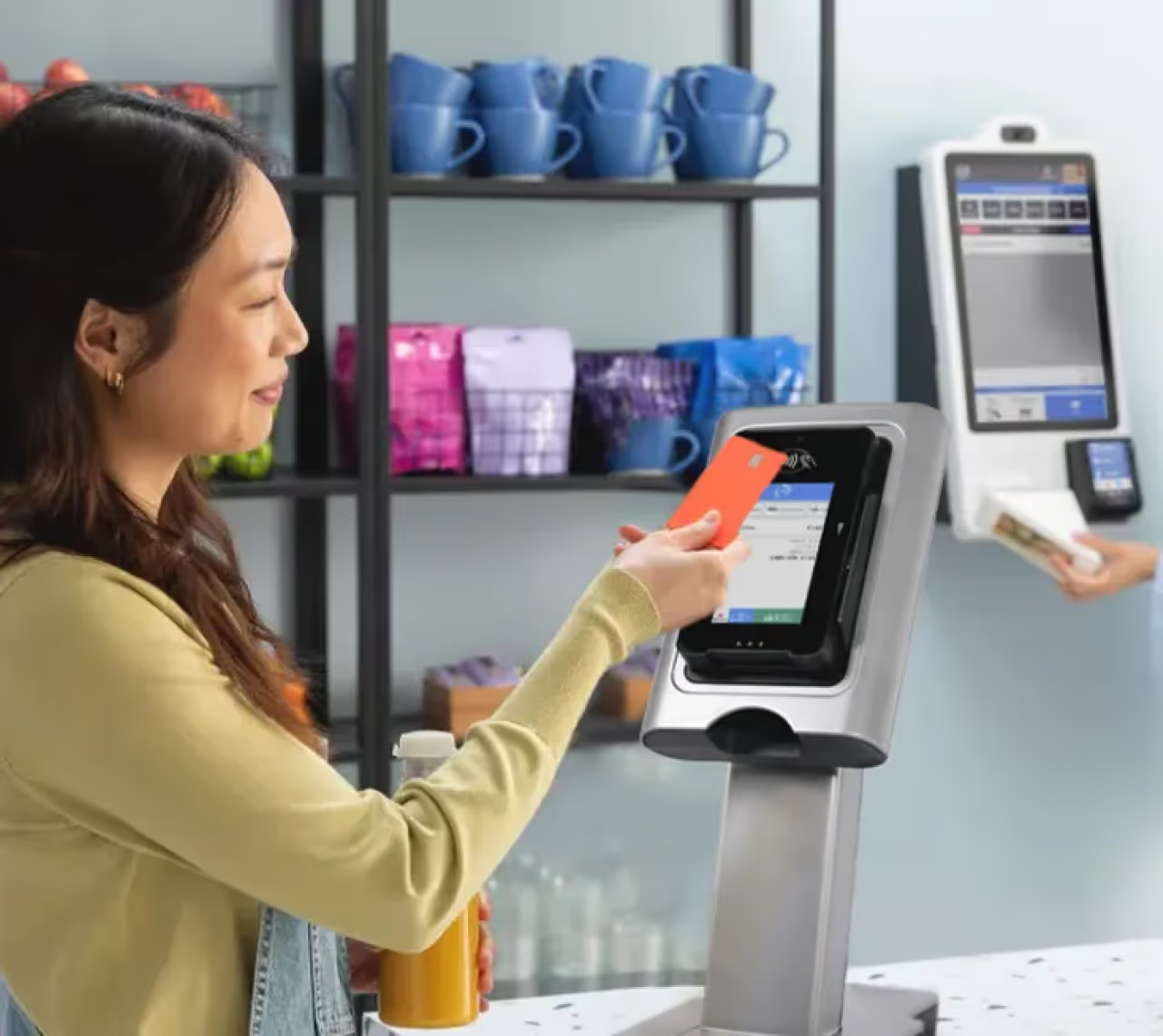
From Luxury Buildings to Student Housing: The Growing Demand for Smart Vending Amenities
Why demand for smart vending amenities is surging in luxury apartments and student housing, plus revenue-share terms and placement tips for property managers.
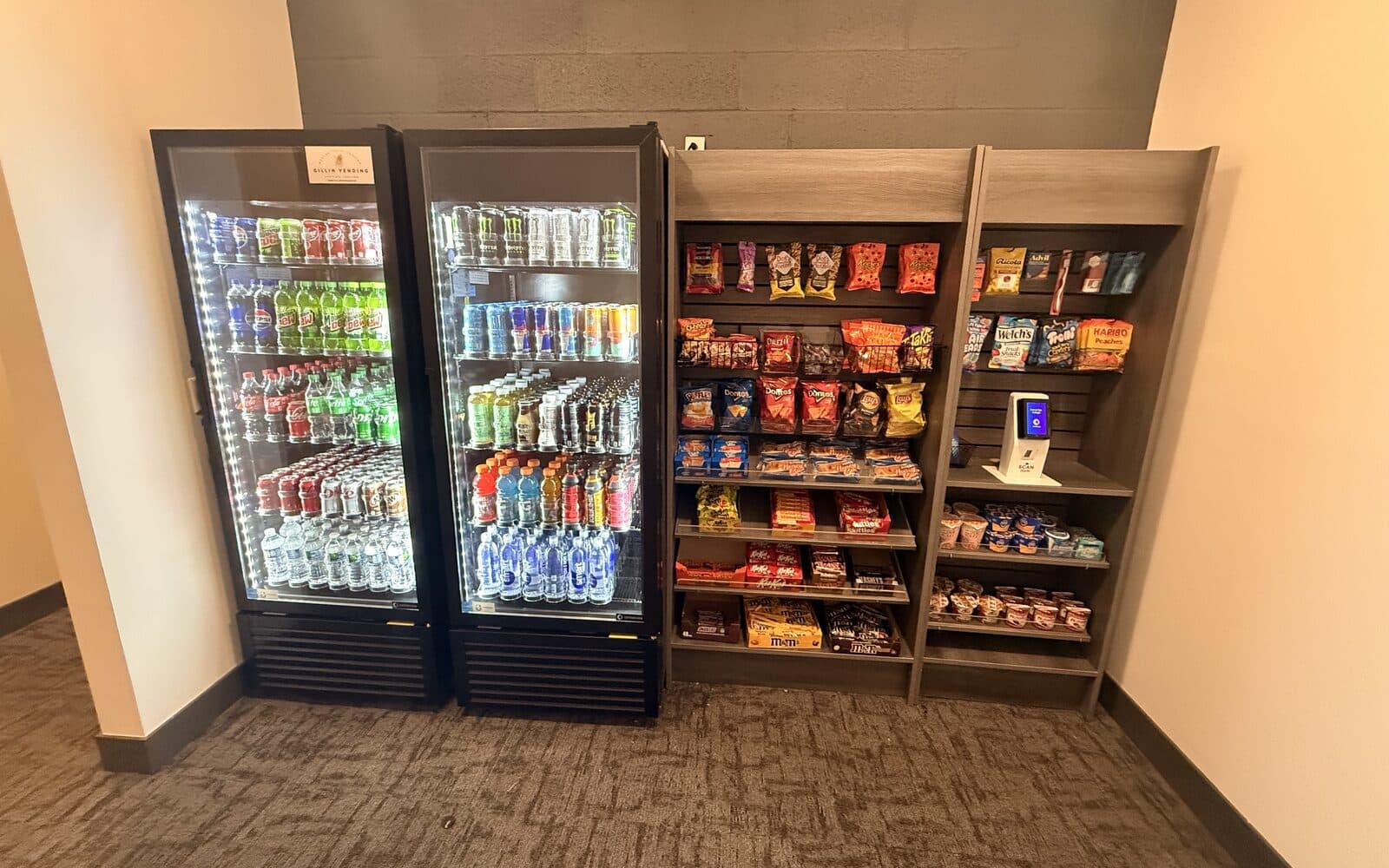
Introduction
The demand for smart vending amenities has surged across various sectors, from luxury buildings to student housing. This trend reflects a broader shift toward convenience and accessibility, aligning with contemporary consumer preferences. As urban lifestyles evolve, the need for quick, user-friendly solutions in everyday environments becomes increasingly significant. In fact, properties that integrate modern vending solutions see an increase in tenant retention rates by up to 15%.
The North America micro market is projected to reach $23.9 billion by 2031, growing at a 10.2% CAGR from 2024, driven by convenience and 24/7 accessibility. This growth indicates a robust market response to the rising expectations for seamless service in both residential and commercial spaces. As of 2020, there are more than 30,000 micro market locations globally, generating over $7 billion in sales. The industry has nearly doubled in size between 2012 and 2020, showcasing its rapid expansion and the growing appetite for innovative amenities.
Incorporating smart vending solutions into various environments not only enhances user experience but also creates new revenue opportunities for property owners. As more facilities adopt these technologies, they cater to a demographic that values efficiency and modern conveniences, ensuring that they remain competitive in an evolving marketplace. The future of smart vending looks promising, driven by both technological advancements and changing consumer behaviors.
1. Modern Amenities: Full-Service Smart Vending with Zero Upfront Costs
The integration of smart vending solutions into various environments offers significant benefits, particularly in residential and commercial spaces. For property owners, vending machines are often provided and installed at no cost, with vendors absorbing these expenses and recovering costs through product sales. This arrangement makes it easier for properties to enhance tenant satisfaction without upfront investment.
Additionally, vending machine operators typically offer revenue-sharing agreements with location owners, ranging from 5% to 25% of profits. Such agreements foster a mutually beneficial relationship, encouraging property hosts to incorporate these amenities. This model not only provides convenience for residents but also creates a new revenue stream for property owners, making smart vending an attractive option in today's market. (Vending Exchange - 2024)
2. 365 Retail Markets: Enterprise Micro Market Solutions
365 Retail Markets is a key player in the micro market solutions sector, providing innovative services tailored to various environments. Their recent acquisition of Cantaloupe Inc. for approximately $848 million highlights their commitment to expanding their footprint in this rapidly growing industry.
With a focus on convenience and user experience, 365 Retail Markets delivers fully managed solutions that cater to both commercial and residential spaces, including luxury buildings and student housing. This strategic move positions them to leverage advanced technology and enhance service offerings, ensuring they meet the evolving demands of consumers in a competitive landscape.
3. Canteen Vending Services: Traditional Vending with National Reach
Canteen Vending Services stands out in the traditional vending landscape, leveraging its national reach to meet the burgeoning demand for convenient consumer options. With an increasing number of locations across diverse settings, such as luxury buildings and student housing, the company caters to a wide range of demographics. This adaptability is crucial, as urban environments evolve and consumers seek accessible solutions for their everyday needs.
Key players in the North America micro market industry, including Canteen Vending Services, Avanti Markets, and 365 Retail Markets, are responding to this shift by enhancing their offerings. The emphasis is on providing seamless service that aligns with contemporary lifestyles. For instance, the micro market sector is projected to reach $23.9 billion by 2031, reflecting a 10.2% compound annual growth rate (CAGR) from 2024. This growth indicates a robust market response to rising expectations, especially for services available around the clock. Companies are capitalizing on this trend, ensuring that consumers have access to quick and user-friendly vending solutions whenever needed.
4. Cantaloupe: Technology Platform for Self-Service Commerce
Cantaloupe stands out as a technology platform that enhances self-service commerce through innovative solutions tailored for various sectors. With a focus on operational efficiency and consumer engagement, Cantaloupe handles more than a billion transactions annually, serving over 30,000 customers across food and beverage markets, hospitality, and entertainment venues. This extensive reach highlights the platform's ability to adapt to diverse environments ranging from luxury buildings to student housing.
The growing demand for smart vending amenities reflects a shift in consumer preferences for convenience and accessibility. Cantaloupe's technology solutions empower businesses to offer seamless experiences that meet these expectations. By integrating advanced features such as cashless payment systems and real-time inventory management, Cantaloupe not only simplifies transactions but also enhances customer satisfaction. As the market continues to evolve, platforms like Cantaloupe are pivotal in shaping the future of automated retail, ensuring that businesses remain competitive in an increasingly digital landscape. The strategic implementation of these technologies is crucial for businesses aiming to attract and retain customers in today's fast-paced environment.
Cantaloupe's commitment to innovation and efficiency positions it as a leader in the self-service commerce space, driving the evolution of smart vending solutions worldwide.
5. Royal Vending: Regional Smart Vending Provider
Royal Vendors, Inc. stands out as a key player in the North American micro market, alongside notable competitors like Canteen Vending Services and 365 Retail Markets. This positioning highlights the company's role in meeting the growing demand for smart vending solutions across diverse environments, such as luxury buildings and student housing. As these sectors increasingly seek innovative amenities, smart vending machines offer a convenient, accessible option that aligns with modern consumer expectations.
The appeal of smart vending lies in its ability to provide quick service and a wide range of products, enhancing the overall user experience. In high-end residential buildings, these machines can cater to discerning residents looking for quality snacks and beverages without the need for traditional retail spaces. Similarly, in student housing, they offer a practical solution for busy students seeking easy access to food and drinks.
With the North American micro market projected to reach $23.9 billion by 2031, the demand for these amenities is expected to continue growing. Royal Vendors, Inc. is well-positioned to capitalize on this trend, ensuring they meet the evolving needs of both residential and commercial spaces effectively. (Grand View Research)
Why Luxury Apartment Buildings Are Investing in Smart Vending Technology
Investing in smart vending technology offers luxury apartment buildings a competitive edge in enhancing tenant satisfaction. Properties equipped with modern vending amenities often experience lower turnover rates, as residents appreciate the convenience and variety these services provide. This satisfaction leads to higher lease renewals, ultimately saving property managers costs associated with vacancies and unit turnover.
Moreover, incorporating smart vending solutions can significantly boost a property's revenue. Ancillary revenue from amenities like vending machines can add four to five percent to total property income, translating into substantial financial benefits each year. This additional income stream can enhance the overall profitability of luxury buildings, allowing property managers to reinvest in further improvements or maintain competitive rental prices.
As urban living continues to evolve, the integration of smart vending technology in residential spaces represents a forward-thinking approach that meets the demands of modern tenants. By prioritizing convenience and accessibility, luxury apartment buildings can create attractive environments that foster long-term residency and financial success.
The Student Housing Revolution: 24/7 Access Meets Campus Convenience
The integration of smart vending amenities into student housing reflects a transformative shift in how students access essential services. As campus life evolves, residents increasingly prioritize convenience and functionality in their living environments. This trend emphasizes the need for 24/7 access to amenities that enhance daily living, catering to the dynamic schedules of students.
Recent research indicates that students value practical features over luxury amenities, with functional offerings such as Wi-Fi and laundry services taking precedence. This shift in preference drives demand for smart vending solutions that provide easy access to snacks, beverages, and other necessities at any hour. Institutions are responding by adapting their facilities to meet these expectations, ensuring that amenities align with student needs.
Furthermore, the occupancy rates in student housing reveal a strong market for these innovations. A survey found that 64 percent of institutions reported occupancy rates of 90 percent or higher, underscoring the competitive nature of the sector. By incorporating smart vending options, student housing can not only attract residents but also enhance their overall experience, fostering a sense of community and convenience that aligns with modern lifestyles. As these trends continue to unfold, the role of smart vending in student housing will likely expand, offering new opportunities for engagement and satisfaction.
Meeting After-Hours Demand
The integration of smart vending amenities in student housing addresses the need for after-hours accessibility, allowing students to purchase snacks and essentials whenever they want. This flexibility is crucial for accommodating varied schedules, especially during late-night study sessions or social events. By offering 24/7 access, these amenities enhance convenience and align with students' preferences for functional living spaces. Smart vending solutions not only meet immediate needs but also foster a sense of community by providing shared resources.
Safety and On-Site Accessibility
Ensuring safety and accessibility in on-site smart vending amenities is crucial, particularly for environments like student housing. Vending machines in apartment complexes provide 24/7 access to essential products, allowing residents to avoid late-night trips outside. This convenience is especially beneficial for busy professionals, students, and families, enhancing their overall living experience. By integrating these amenities, property managers can create safer, more accessible environments that foster community and meet the evolving needs of their residents.
Customizable Product Selection for Student Demographics
Customizable product selection in smart vending amenities caters specifically to student demographics, reflecting their unique preferences and lifestyles. Students increasingly seek healthier food options, as evidenced by a significant portion of the population actively trying to eat better. Offering customizable selections allows institutions to meet these demands by providing a variety of snacks and beverages that align with health trends. This adaptability not only enhances student satisfaction but also fosters a sense of community by promoting shared choices in their living spaces.
Revenue-Sharing Models vs. Traditional Vending: What Property Managers Need to Know
In comparing revenue-sharing models to traditional vending, property managers should consider the significant financial advantages of micro markets. Micro markets typically yield a profit margin of 17%, starkly contrasting with the mere 1.15% profit from conventional vending machines. This substantial difference highlights the potential for enhanced revenue generation through modern amenities.
Moreover, micro markets attract more traffic, with operators reporting 18% more visits per week compared to traditional vending locations. Each visit results in an average of 1.2 sales, significantly higher than the 0.7 sales per visit seen in vending setups. This increased foot traffic can lead to an average revenue of $1,000 per week for larger locations serving 125 or more potential customers.
Revenue-sharing agreements for vending machines usually range from 5% to 25% of the monthly revenue, with high-traffic areas commanding the higher end of that spectrum. This model allows property managers to benefit from a portion of the earnings while minimizing upfront costs and operational responsibilities. As demand for user-friendly and accessible solutions grows, transitioning to a revenue-sharing model may be a strategic move for property managers looking to enhance their amenities and profitability.
Ultimately, embracing these modern vending solutions can position properties as desirable destinations for residents and tenants alike.
From Lobbies to Laundry Rooms: Strategic Placement for Maximum Impact
Strategic placement of smart vending machines can enhance convenience and satisfaction in various settings.
- Laundry Rooms: Residents spend extended periods waiting for laundry cycles to complete, presenting the perfect opportunity for quick snacking or sipping a cold beverage.
- Fitness Centers: Tenants using onsite gyms often crave post-workout nutrition or hydration, making machines stocked with protein shakes, low-calorie snacks, and electrolyte-rich beverages ideal.
- Lobbies: High-traffic common areas where residents naturally gather provide maximum visibility and convenience.
- Common Areas: Vending machines encourage community and belonging, both critical for tenant retention.
These placements cater to the evolving needs of residents, fostering a more engaging living experience.
The Technology Behind Modern Smart Vending: AI, Cashless Payments, and Remote Monitoring
The integration of advanced technologies in smart vending machines is transforming the consumer experience. With the rise of AI-powered solutions, these machines can now reduce labor costs by up to 75% while significantly enhancing customer satisfaction. This shift not only streamlines operations but also allows for personalized interactions based on user preferences.
Cashless payment options have become a standard feature in over 75% of new vending deployments, a trend that has accelerated since the pandemic. This transition reflects a growing consumer preference for convenience and hygiene, making transactions quicker and easier. As the market for smart vending machines is projected to reach $48.9 billion by 2030, the emphasis on technology-driven solutions is clear. The combination of AI, cashless payments, and remote monitoring is meeting the demands of modern consumers, ensuring that smart vending remains a relevant and essential amenity in various settings.
How Smart Vending Amenities Boost Tenant Retention and Property Value
Incorporating smart vending amenities into residential properties significantly enhances tenant retention and boosts property value. These solutions cater to the evolving needs of residents, fostering a sense of community and convenience. When tenants feel their needs are understood and met, they develop loyalty to the property, leading to longer tenancies and reduced turnover rates.
Smart vending machines provide 24/7 access to snacks, beverages, and essential items, making daily life easier for residents. This convenience is especially appealing in luxury buildings and student housing, where quick access to amenities is a priority. Additionally, properties that adopt these modern solutions often see an increase in overall satisfaction among tenants, which can translate into positive word-of-mouth and higher occupancy rates.
By prioritizing the integration of smart vending amenities, property owners can create an appealing living environment that not only attracts new tenants but also retains existing ones. This strategic approach to enhancing tenant experience ultimately contributes to a property's long-term success and profitability.
Conclusion: The Future of Residential Amenities
The future of residential amenities is poised for significant transformation, particularly with the rise of smart vending solutions. As urban living becomes more dynamic, residents increasingly seek convenience and efficiency in their daily routines. Smart vending machines and micro markets cater to this demand, offering 24/7 access to a variety of products. This shift is not just about technology; it reflects a deeper understanding of consumer needs for immediate gratification and seamless experiences.
The North American micro market sector is projected to reach $23.9 billion by 2031, with a compound annual growth rate of 10.2% from 2024. This growth highlights the expanding role of smart amenities in residential settings, appealing to both luxury developments and student housing. As more properties integrate these solutions, they enhance their appeal, meeting the expectations of a tech-savvy population. The rapid expansion of over 30,000 micro market locations globally, generating more than $7 billion in sales, underscores the robust appetite for innovative amenities that blend convenience with modern living. Embracing this trend will be crucial for developers looking to attract and retain residents in an increasingly competitive market.
Frequently Asked Questions
What are smart vending amenities?
Smart vending amenities are advanced vending solutions that offer convenience through technology, such as cashless payments and real-time inventory management, catering to modern consumer needs in various environments like luxury buildings and student housing.
How do revenue-sharing models work for smart vending?
Revenue-sharing models allow property owners to earn a percentage, typically between 5% to 25%, of the profits generated by vending machines placed in their facilities, thus minimizing upfront costs while enhancing revenue opportunities.
What technology is used in modern smart vending machines?
Modern smart vending machines utilize AI, cashless payment systems, and remote monitoring to enhance user experience and operational efficiency, meeting the demands of contemporary consumers for convenience and accessibility.
How can smart vending solutions improve tenant satisfaction?
Smart vending solutions provide 24/7 access to snacks and essential items, enhancing convenience for residents, which leads to higher tenant satisfaction and potentially lower turnover rates in residential properties.
What factors contribute to the growth of the micro market industry?
The micro market industry is growing due to increasing consumer demand for convenience, 24/7 accessibility, and modern amenities in residential and commercial spaces, with projections estimating it will reach $23.9 billion by 2031.