Top 10 Features Modern Smart Vending Machines Offer in 2026
Modern smart vending machines in 2026 feature AI recommendations, real-time inventory tracking, contactless payments, and remote diagnostics, slashing downtime by 20-30% in offices and apartments. They offer 90% cashless transa…
Struggling with outdated vending machines that frustrate employees, cause stockouts, and drain revenue in your offices or apartment complex? Traditional setups often lead to 20-30% lost sales from downtime and limited options. This article reveals the top 10 features of modern smart vending machines in 2026 that deliver hands-off revenue growth and user satisfaction.
Introduction
The days of shaking a vending machine because your bag of chips got stuck are effectively over. In 2026, the humble breakroom dispenser has evolved into a sophisticated retail hub. We aren't just talking about accepting credit cards anymore. Today's machines use intelligence to predict what you want before you even walk up to the glass.
For property managers and business owners, this shift means better amenities and fewer headaches. Modern smart vending offers a level of convenience that matches the high expectations of tenants and employees in a digital-first world. From office lobbies to apartment complexes, these machines provide fresh food, tech accessories, and daily essentials with reliability that old coil machines could never match.
What Are Modern Smart Vending Machines?
A modern smart vending machine is essentially an autonomous micro-retail store. Unlike traditional models that function mechanically, these units are fully connected digital devices. They combine high-definition touchscreens, cloud-based management software, and sensor technology to deliver a smooth purchasing experience.
The primary difference lies in the data. While an old machine sits isolated until someone collects the cash, a smart machine constantly communicates its status. It tells the operator what sold, what the temperature is inside, and if it needs maintenance. For the user, it means engaging with an interface that feels more like a smartphone than a mechanical box.
How Modern Smart Vending Machines Work in 2026
The operation of these machines relies on a constant flow of information between the physical unit and the cloud. Here is the basic workflow:
-
Interaction: A customer selects items via a touchscreen or a mobile app.
-
Transaction: Payment is processed instantly via secure, encrypted gateways.
-
Dispensing: Precision motors or smart locks release the product gently.
-
Data Sync: The machine updates the central inventory system immediately.
This connectivity allows for a "hands-off" experience for the location manager, as the vending provider handles everything remotely.
Core AI and IoT Technologies
The "brain" of the machine relies on three main components working together. First, IoT sensors monitor the internal environment and track physical inventory in real time. Second, AI and Machine Learning algorithms analyze purchase patterns to forecast demand and suggest restocking schedules. Finally, Cloud Analytics Platforms aggregate this data, allowing operators to adjust pricing or layouts instantly from a central dashboard.
Seamless Integration with Commercial Spaces
Smart vending machines are designed to fit into modern architectural aesthetics without looking out of place. They often feature sleek glass fronts, customizable LED lighting, and modular designs that can be built into walls or cabinetry. Beyond physical looks, they integrate digitally with building management systems. For example, a machine in a secure apartment complex might only unlock for residents using their building access fob or a specific mobile credential.
Top 10 Features of Modern Smart Vending Machines in 2026
The capabilities of vending technology have expanded significantly over the last few years. What used to be a passive metal box is now an active participant in the retail experience. The following features represent the standard for high-quality smart vending solutions in 2026. These advancements focus on efficiency for the operator and convenience for the user.
1. AI-Driven Personalized Product Recommendations
Artificial intelligence has moved from online shopping carts to physical vending machines. When a user logs in via an app or facial recognition (where opted in), the machine can recall past purchase history. It uses this data to highlight favorites or suggest new items based on previous choices.
This personalization speeds up the transaction time and increases satisfaction. It mimics the experience of a friendly barista who knows your "usual," making the interaction feel tailored rather than robotic.
2. Advanced Contactless Payment Systems
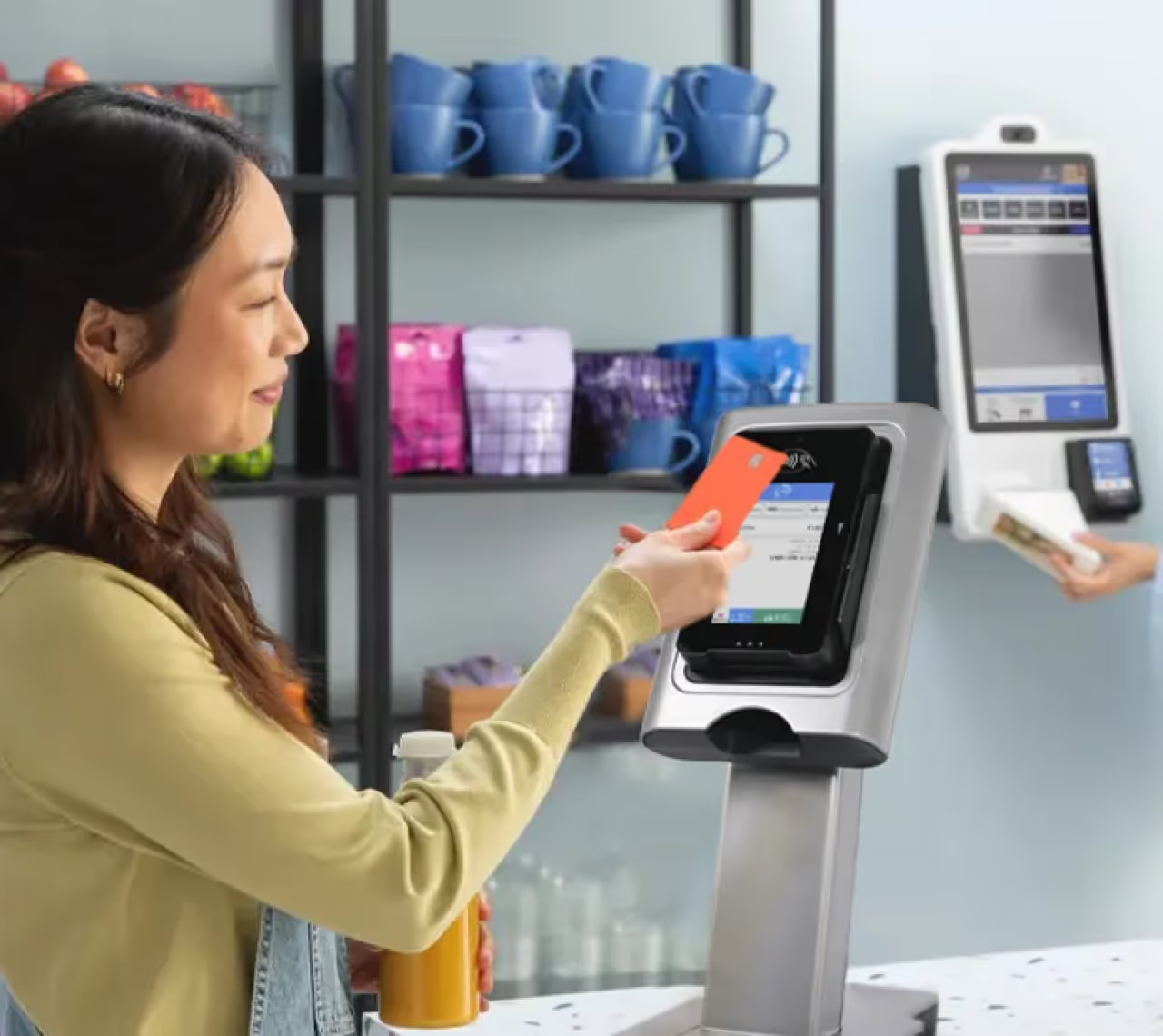
Fumbling for crumpled dollar bills is a relic of the past. Modern machines support a wide array of cashless payment methods to match consumer habits. This includes tap-to-pay credit cards, mobile wallets like Apple Pay and Google Pay, and even campus or corporate ID badges.
The shift is undeniable. Industry data indicates a projected move toward over 90% cashless retail payments by 2026 (Vending Ways). By removing friction at the point of sale, these systems encourage impulse buys and reduce the risk of vandalism associated with cash-heavy machines.
3. Real-Time Inventory Tracking and Replenishment
Empty coils are the biggest frustration for customers and a lost revenue opportunity for providers. Smart machines use internal scales, optical sensors, or drop sensors to track exactly what is on the shelves at any second. When stock gets low, the system automatically flags it for the next refill route.
Benefits of Real-Time Tracking:
-
Freshness: Operators know exactly when fresh food expires.
-
Efficiency: Drivers only bring what is needed, reducing waste.
-
Availability: Popular items are restocked faster.
For example, Farmer's Fridge reportedly cut their IoT operational bills in half through optimized inventory management (Hologram).
4. Remote Diagnostics and Maintenance
In the past, a broken machine stayed broken until someone complained. Now, smart vending units self-diagnose issues. If a motor jams, the temperature spikes, or the bill validator fails, the machine sends an immediate alert to the service team.
Often, technicians can fix software glitches remotely by rebooting the system or pushing a firmware update over the air. This capability drastically reduces downtime. For location managers, it means the amenity is reliable without them having to constantly check on it or call for repairs.
5. Touchless Dispensing for Hygiene
Health awareness remains a priority for shared public amenities. Many modern machines now offer completely touchless interaction options. Users can scan a QR code on the machine's screen to open a virtual interface on their own phone.
From their mobile browser, they can browse the inventory, select a product, and pay. The machine then dispenses the item without the user ever touching the kiosk's physical buttons or screen. This feature is particularly popular in medical facilities, gyms, and high-traffic office lobbies.
6. Dynamic Pricing Based on Demand
Smart machines can adjust prices digitally, similar to how airlines or ride-share apps work. Operators can set rules to automatically discount fresh food items that are nearing their expiration time to encourage sales and reduce waste.
Conversely, during peak hours or specific events, pricing can be adjusted to manage demand. This flexibility allows for "Happy Hour" promotions in office settings or bundle deals—like offering a discount if a customer buys a sandwich and a drink together.
7. Mobile App and Loyalty Program Integration
Connecting a physical machine to a mobile app creates a sticky user experience. Customers can download a dedicated app to check inventory before they leave their desk or apartment. If they see their favorite snack is in stock, they are more likely to make the trip.
Key App Features:
-
Rewards Points: Earn credit for every purchase.
-
Order Ahead: Reserve an item for pickup.
-
Feedback: Report issues or request new products directly to the operator.
8. Comprehensive Analytics Dashboards
Data is the most valuable asset for optimizing a vending location. Smart machines feed detailed reports to a central dashboard accessible by the operator and, often, the client. This data goes beyond simple sales figures.
What Analytics Reveal:
-
Peak Usage Times: When is the machine busiest?
-
Product Preferences: Do tenants prefer energy drinks or sparkling water?
-
Sales Velocity: How fast do new items sell out?
This insight allows for data-backed decisions on product selection, ensuring the machine is stocked with what people actually want to buy.
9. Energy-Efficient and Sustainable Design
Sustainability is a major focus in 2026. Modern machines are built to consume significantly less power than their predecessors. They utilize LED lighting, which is brighter but uses a fraction of the electricity of fluorescent bulbs.
Advanced cooling systems use eco-friendly refrigerants and feature "sleep modes." The machine can learn the building's traffic patterns; if no one is in the office between 2 AM and 5 AM, the machine can dim its lights and adjust the compressor cycle to save energy, waking up fully just before the first employees arrive.
10. Customizable Micro-Market Configurations
Sometimes a single machine isn't enough. The concept of "smart vending" has expanded to include micro-markets—open shelf kiosks with self-checkout terminals. These setups use the same backend technology but offer a more open retail feel.
These configurations are highly modular. A location might start with one smart fridge and expand to add a snack rack and a coffee station as the population grows. The technology unifies these different elements into a single payment and inventory system, providing a cohesive experience for the user.
Best Practices for Implementing Smart Vending Features
To get the most out of these high-tech features, you need a strategy. Simply plugging in a machine isn't enough to guarantee success. You must consider the specific environment and the people who will be using it.
Evaluate Your Venue's Traffic and Needs
Before installation, look at the demographics of your space. A gym needs different products and features than a university library or a corporate boardroom. High-traffic areas might benefit from faster transaction speeds and touchless options, while a luxury apartment lobby might prioritize aesthetic integration and premium product selection. Understanding who is walking by the machine determines which smart features matter most.
Partner with a Fully Managed Provider
The complexity of IoT, cloud management, and restocking is difficult to handle in-house. It is usually best to work with a service like Modern Amenities that offers a fully managed solution. These providers handle the installation, technical support, restocking, and data monitoring. This ensures you get the benefits of the technology without the burden of learning how to fix a coin mechanism or troubleshoot a Wi-Fi connection.
Leverage Data for Ongoing Optimization
Don't let the data sit unused. Review the analytics reports provided by your operator regularly. If you notice that healthy snacks are selling out by Wednesday, ask to increase the par level for those items. If sugary sodas aren't moving, swap them for sparkling water. Using the data to refine the product mix keeps the amenity relevant and valuable to your tenants or employees.
Common Mistakes to Avoid with Smart Vending
Even with the best technology, things can go wrong if the implementation is rushed or poorly planned. Avoiding these common pitfalls ensures a smooth rollout and long-term satisfaction.
Underestimating Setup and Integration
Smart machines need more than just a standard power outlet. They require a stable internet connection (Wi-Fi or cellular) to function correctly. Failing to test the signal strength in the designated spot can lead to transaction failures. Additionally, measuring the physical space accurately is critical; these machines often have different ventilation requirements than older models.
Skipping Revenue-Sharing Models
Some property managers try to buy machines outright to keep all the profit. This is often a mistake. The cost of maintenance, software subscriptions, and restocking labor usually outweighs the revenue. A revenue-sharing model with a managed provider aligns incentives: the provider only makes money if the machine is working and selling, so they are motivated to keep it stocked and running perfectly.
Ignoring Post-Launch Monitoring
Setting up the machine is just the start. A common error is assuming the initial product mix is perfect. User preferences change with the seasons and trends. If you ignore the feedback loop and fail to refresh the assortment, engagement will drop. Regular reviews of the machine's performance prevent it from becoming "background noise" that people walk past without noticing.
Frequently Asked Questions
How much do modern smart vending machines cost to install in 2026?
Installation costs range from $5,000 to $15,000 per machine, depending on size and features like refrigeration. Monthly managed service fees typically run $200-$500, covering restocking and maintenance under revenue-sharing models.
What security features prevent theft in smart vending machines?
Smart machines use facial recognition, RFID locks tied to building access, and real-time video monitoring. Tamper sensors alert operators instantly, with reinforced glass and GPS tracking reducing theft losses by up to 80% compared to traditional units.
Can smart vending machines sell hot food or beverages?
Yes, advanced models feature integrated heating compartments maintaining 165°F for safe hot items like pizza or coffee. They comply with FDA food safety standards, with sensors ensuring temperatures stay optimal to prevent spoilage.
How do smart vending machines handle power outages?
Battery backups provide 4-8 hours of operation, allowing cashless transactions and dispensing. Cloud sync resumes automatically upon power restoration, minimizing downtime to under 5 minutes in most cases.
What types of products work best in 2026 smart vending machines?
Fresh salads, sandwiches, tech gadgets, and hygiene items like masks perform best due to real-time tracking. Perishable foods account for 60% of sales in high-traffic spots, with non-foods like chargers boosting impulse buys by 25%.