Common Installation Mistakes to Avoid When Deploying Smart Vending Machines
The site, infrastructure, and staffing mistakes that quietly cut smart vending machine revenue, and how to avoid them before installation.
Introduction
The deployment of smart vending machines is rapidly growing, with the global retail vending machine market projected to reach USD 89.27 billion by 2030, expanding at a CAGR of 3.7%. However, successful installation requires careful planning to avoid common mistakes.
One frequent error is inadequate site assessment. Understanding foot traffic patterns and customer preferences is essential for optimal machine placement. Additionally, neglecting to ensure proper power and internet connectivity can lead to operational issues. Lastly, failing to train staff on machine use and maintenance can hinder service efficiency. Addressing these factors can significantly enhance the effectiveness and profitability of smart vending solutions.
Choosing the Wrong Location Without Proper Traffic Analysis
Choosing the wrong location for smart vending machines can severely impact their performance and profitability. Conducting thorough traffic analysis is crucial. Machines placed in high-traffic areas typically generate more revenue, with a strategically positioned vending machine earning over $1,600 monthly. In contrast, poorly placed machines can yield significantly less, sometimes only $10 to $50 per day — studies show poorly placed machines can underperform by up to 50%. This stark difference highlights the importance of understanding not just the volume of foot traffic but the quality as well.
Moreover, neglecting to assess factors such as existing amenities and competition can lead to missed opportunities. A vending machine in an area saturated with food options may struggle to attract customers, regardless of foot traffic. Therefore, a comprehensive site evaluation should encompass a variety of criteria to ensure optimal placement. Addressing these elements early in the planning process can lead to more successful installations and higher returns on investment.
Ignoring Foot Traffic Quality Over Quantity
High foot traffic must align with the specific needs of the target audience. A vending machine in a busy office can thrive by offering snacks and beverages that cater to employee preferences. Conversely, if positioned in a location with high foot traffic but irrelevant products, like a shopping mall, it may fail to generate sales. Understanding customer demographics and purchasing behavior is essential for maximizing revenue potential.
A strategic approach to product selection and placement can significantly enhance profitability.
Failing to Assess Existing Amenities and Competition
Neglecting to evaluate existing amenities and competition can severely limit the effectiveness of smart vending machines. If a machine is installed near a convenience store or cafeteria, it may struggle to attract customers despite high foot traffic. Understanding the competitive landscape allows for strategic placement, ensuring that the vending machine meets a demand that isn't already saturated.
Overlooking Accessibility and Visibility Requirements
Neglecting accessibility and visibility can hinder the performance of smart vending machines. Ensure machines are placed where they are easily seen and accessed by all potential customers, including those with disabilities. Consider factors like lighting, signage, and the layout of the surrounding area. Properly addressing these elements can significantly enhance user experience and increase sales.
Inadequate Infrastructure Planning Before Installation
Inadequate infrastructure planning can severely impact the deployment of smart vending machines. It's essential to assess the site thoroughly before installation. This includes evaluating electrical and network connectivity, as well as ensuring sufficient space for both the equipment and customer flow.
Neglecting these aspects can lead to operational challenges and decreased customer satisfaction. For instance, most micro markets require a minimum of 50-75 square feet of space, mandating collaboration with service providers to determine the appropriate layout. Proper planning is vital to maximize the machine's effectiveness and profitability.
Neglecting Electrical and Network Connectivity Requirements
Neglecting electrical and network connectivity requirements can lead to significant operational challenges for smart vending machines. Without adequate power supply and reliable internet access, machines may experience frequent downtime, affecting sales and customer satisfaction. For instance, smart vending machines often require a stable Wi-Fi connection to process transactions and monitor inventory. Additionally, many modern machines consume considerable energy, potentially increasing utility costs. Ensuring proper infrastructure not only enhances machine performance but also supports seamless customer interactions and overall profitability.
Insufficient Space Allocation for Equipment and Customer Flow
Insufficient space allocation can hinder customer flow and equipment functionality. When planning for smart vending machines, it's crucial to ensure that there is adequate room for both the machines and customers. A congested area can lead to frustration and reduced sales. Most micro markets need at least 50-75 square feet to operate effectively. If space is cramped, customers may feel uncomfortable approaching the machines, leading to decreased usage and profitability. Proper layout design can enhance customer experience and optimize machine performance.
Skipping Site Assessment for Environmental Conditions
Skipping a thorough site assessment can lead to significant operational challenges when deploying smart vending machines. Environmental conditions, such as temperature and humidity, can affect machine performance and product quality. For example, machines placed in high-traffic areas exposed to direct sunlight may overheat, causing malfunctions. Additionally, assessing the surrounding infrastructure is crucial; inadequate electrical outlets or poor network connectivity can disrupt service. Conducting a detailed environmental analysis ensures optimal placement and functionality, ultimately enhancing user experience and maximizing profitability.
Selecting Incompatible Technology for Your Target Audience
Selecting technology that doesn't align with your target audience can lead to significant setbacks when deploying smart vending machines. Understanding the needs and preferences of your customer base is crucial. If the technology doesn't resonate with users, it can result in low engagement and poor sales performance.
Moreover, the rise of cashless transactions and mobile payments has shifted consumer expectations. Machines lacking modern payment options can deter potential users, impacting overall profitability. Additionally, if the equipment does not match the demographics of the location — such as product selection or accessibility — it may fail to attract the intended clientele.
Prioritizing audience compatibility in technology selection not only fosters user satisfaction but also enhances operational efficiency. By ensuring that the technology meets the expectations and needs of the target audience, businesses can avoid common pitfalls and position themselves for success in a competitive market. The global vending machine market is evolving, and staying attuned to these trends is essential for maximizing impact and revenue growth.
Installing Machines Without Modern Payment Options
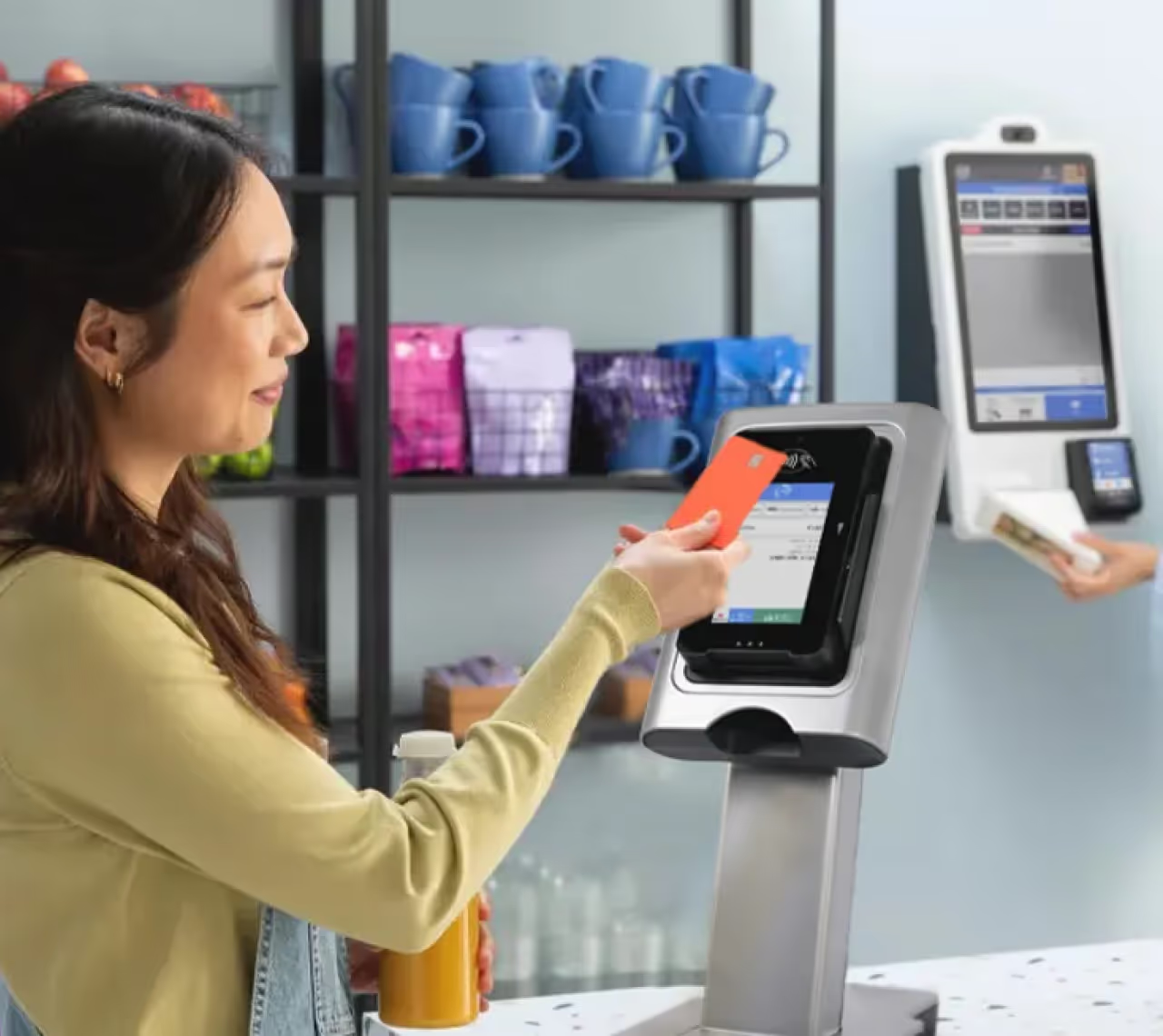
Installing smart vending machines without modern payment options can significantly hinder their success. Many consumers prefer cashless transactions, which accounted for 71% of vending sales in 2024. Machines lacking these features may deter potential users, leading to lower engagement and sales. Additionally, without mobile payment capabilities, businesses miss out on higher transaction values, as cashless sales average $2.11 compared to $1.36 for cash. Meeting modern payment expectations is crucial for maximizing profitability and attracting a broader customer base.
Choosing Equipment That Doesn't Match Customer Demographics
Choosing equipment that doesn't match customer demographics can lead to poor performance of smart vending machines. It's essential to analyze the specific needs and preferences of the target audience. For example, a machine placed in a student housing area should offer affordable snacks and beverages, while one in a corporate office might focus on healthier options or premium products. Understanding these distinctions can drive engagement and increase sales.
Micro markets perform best when installed in spaces with 100+ people using the area daily, such as office lounges, employee breakrooms, warehouse floors, and hotel lobbies.
Poor Product Selection and Inventory Strategy
Selecting the right products and managing inventory effectively are crucial for the success of smart vending machines. A poor product selection strategy can lead to low sales and wasted resources. Understanding the target audience's preferences is essential. If the products don't resonate with customers, they are less likely to engage with the machines.
Furthermore, an effective inventory strategy involves not just stocking popular items but also considering factors like freshness and dietary needs. Neglecting these aspects can result in unsold inventory and customer dissatisfaction. Research indicates that nearly 60% of consumers prefer healthy snacks, highlighting the importance of aligning offerings with current consumer trends. By addressing these challenges, operators can enhance profitability and customer satisfaction, ensuring smart vending machines serve their intended purpose effectively.
Stocking Generic Products Without Understanding Customer Preferences
Stocking generic products without understanding customer preferences can lead to significant losses for vending machine operators. If the offerings do not align with what customers want, machines may experience low engagement and high unsold inventory. For instance, focusing solely on popular items like snacks and beverages, while ignoring healthier options, can alienate a growing segment of health-conscious consumers. Understanding local preferences and dietary trends is crucial for maximizing sales and ensuring customer satisfaction.
Failing to Plan for Fresh Food Storage and Rotation
Proper planning for fresh food storage and rotation is vital to minimize spoilage and ensure product quality. Smart vending machines that offer fresh food items can face significant challenges if inventory management is neglected. For instance, spoilage rates for fresh food can range from 15-25%, compared to just 3-5% for packaged snacks. A failed refrigeration unit can jeopardize an entire inventory, potentially costing $200-500. Implementing a robust system for regular checks and timely rotation can help maintain freshness and satisfy customer demands.
Ignoring Dietary Trends and Health-Conscious Options
Ignoring dietary trends and health-conscious options can lead to significant missed opportunities in the smart vending machine market. As consumer preferences shift towards healthier choices, stocking machines with organic snacks, low-calorie beverages, and nutritious meal options is essential. Failing to align with these trends not only risks low sales but can also alienate health-conscious customers. By offering a variety that caters to dietary needs, operators can enhance customer engagement and satisfaction, ultimately driving revenue growth.
Inadequate Security and Theft Prevention Measures
Inadequate security and theft prevention measures can significantly undermine the success of smart vending machine deployments. With the industry average for micro market theft hovering around 6%, some instances report theft rates as high as 50%.
Implementing effective security protocols is crucial. Without appropriate measures, businesses risk losing inventory and revenue, which can lead to diminished trust from customers. The integration of technology, such as AI-enabled loss prevention systems, can make a substantial difference. For example, one micro market operator reduced theft incidents per hour from 0.69 to 0.27 after adopting advanced security solutions.
Skipping Security Camera Installation in Open Micro Markets
Neglecting the installation of security cameras in open micro markets can lead to significant losses. These markets, with their accessible layout, can be prime targets for theft. Although some may believe that theft rates are exaggerated, studies show that proper security measures can reduce theft to as low as 4%. By integrating surveillance systems, businesses can deter potential thieves, monitor activity in real-time, and enhance overall security. This proactive approach not only protects inventory but also builds customer trust.
Failing to Implement Remote Monitoring Systems
Failing to implement remote monitoring systems can severely impact the effectiveness of smart vending machines. These systems allow for real-time tracking of inventory and customer interactions, ensuring that machines are stocked appropriately and functioning optimally. Without remote monitoring, operators may miss critical data on theft or maintenance needs. For instance, modern kiosks include sensors and remote monitoring that detect suspicious activities, like unpurchased items leaving the area. Many modern systems use AI to identify anomalies in customer behavior.
Neglecting Clear Signage About Payment Requirements
Clear signage regarding payment requirements is essential for smart vending machine success. Without it, customers may face confusion, leading to frustration and potential loss of sales. Effective signage should detail accepted payment methods and any specific instructions for using the machines. This clarity not only enhances user experience but also minimizes operational disruptions.
Insufficient Staff Training and Customer Education
Insufficient staff training and customer education can severely undermine the effectiveness of smart vending machines. When employees lack the knowledge to operate and maintain these systems, it can lead to service disruptions and decreased customer satisfaction. Furthermore, if customers are not adequately informed about how to use the machines, they may not take full advantage of the services offered, leading to lower sales and missed revenue opportunities. Educational initiatives should be a priority, as they ensure that both staff and customers are confident and knowledgeable about the technology. This foundational understanding is crucial for maximizing the potential of smart vending solutions.
Not Conducting a Proper Grand Opening or Launch Event
Neglecting to conduct a proper grand opening or launch event can significantly impact the success of smart vending machine installations. This event serves as an opportunity to familiarize potential users with the machines, showcasing their features and benefits. Engaging customers through demonstrations and offering promotions can drive initial traffic and encourage usage. Without this proactive approach, interest may wane, leading to underwhelming sales and missed revenue opportunities right from the start.
Failing to Educate Users on How the System Works
Insufficient education on how smart vending machines operate can lead to user frustration and decreased sales. Providing clear, visual instructions through the machine's display can enhance user experience, ensuring customers understand how to interact with the system. Additionally, training staff to assist customers and troubleshoot common issues fosters a supportive environment. This dual approach encourages confidence in both users and employees, ultimately driving higher engagement and sales.
Overlooking Ongoing Communication About New Features
Overlooking ongoing communication about new features can lead to confusion and frustration among both staff and customers. Regular updates and training sessions are essential to ensure everyone is aware of new functionalities and improvements. For instance, if a machine introduces a cashless payment option, employees must understand how to assist customers in using it effectively. Additionally, customer-facing materials should be updated to reflect these changes, enhancing user experience and driving higher engagement with the vending machines.
Misunderstanding Total Cost of Ownership
Misunderstanding the total cost of ownership (TCO) is a common pitfall when deploying smart vending machines. Businesses often focus solely on the initial equipment costs, overlooking additional expenses that can accumulate over time. This narrow view can lead to budget shortfalls and operational inefficiencies. For instance, while the initial cost of acquiring a vending machine can range from $1,500 for basic models to over $10,000 for advanced machines, the ongoing costs associated with maintenance, restocking, and utilities can significantly affect overall profitability.
Understanding TCO is crucial for making informed decisions that align with long-term business goals. By considering all associated costs from the outset, companies can better strategize and optimize their vending machine investments.
Focusing Only on Equipment Costs While Ignoring Hidden Expenses
Focusing solely on equipment costs can lead to significant financial miscalculations. Hidden expenses such as maintenance, software updates, and transaction fees can accumulate quickly. For instance, routine maintenance might cost 10-15% of the initial price annually, while software licenses can add ongoing monthly fees. Ignoring these factors can strain budgets and reduce overall profitability.
Failing to Budget for Restocking and Inventory Management
Budgeting for restocking and inventory management is often overlooked, yet it's critical for maintaining profitability. Without a clear plan, businesses may face stockouts or overstock situations, both of which can lead to lost sales. Establishing a regular restocking schedule based on demand patterns can help optimize inventory levels. Additionally, utilizing inventory management software can provide real-time data, ensuring timely replenishment and reducing waste.
Conclusion: Partner with Modern Amenities for Seamless Smart Vending Deployment
Partnering with a specialized provider can streamline the deployment of smart vending machines, ensuring a seamless experience. By leveraging expertise in site assessments, companies can avoid common pitfalls such as poor location choices, which can lead to decreased foot traffic and sales. A well-chosen site, informed by data on consumer behavior, can significantly enhance machine performance.
Moreover, ensuring proper connectivity and training for staff is vital. A fully managed service not only alleviates these concerns but also operates on a revenue-sharing model, minimizing upfront costs. With the global vending machine market projected to grow significantly, investing in a knowledgeable partner can position businesses to capitalize on this trend effectively.
Frequently Asked Questions
What factors should I consider when selecting a location for smart vending machines?
Consider foot traffic volume and quality, existing amenities, competition, accessibility, and visibility. A thorough site assessment ensures optimal placement and increases potential revenue.
How can I ensure my smart vending machines have reliable power and internet connectivity?
Evaluate the electrical infrastructure and network availability at the installation site before deployment. This ensures machines operate smoothly and can process transactions without interruptions.
What payment options should my smart vending machines include to attract customers?
Include modern payment options such as cashless transactions and mobile payments. Over 71% of vending sales were cashless in 2024, indicating consumer preference for these methods.
How often should I assess and rotate the inventory in my smart vending machines?
Regularly assess and rotate inventory to maintain freshness, ideally every few days for perishable items. This practice minimizes spoilage and ensures you meet customer expectations.
What security measures are essential for protecting smart vending machines from theft?
Implement security cameras, remote monitoring systems, and clear signage about payment requirements. These measures can significantly reduce theft incidents and enhance customer trust.