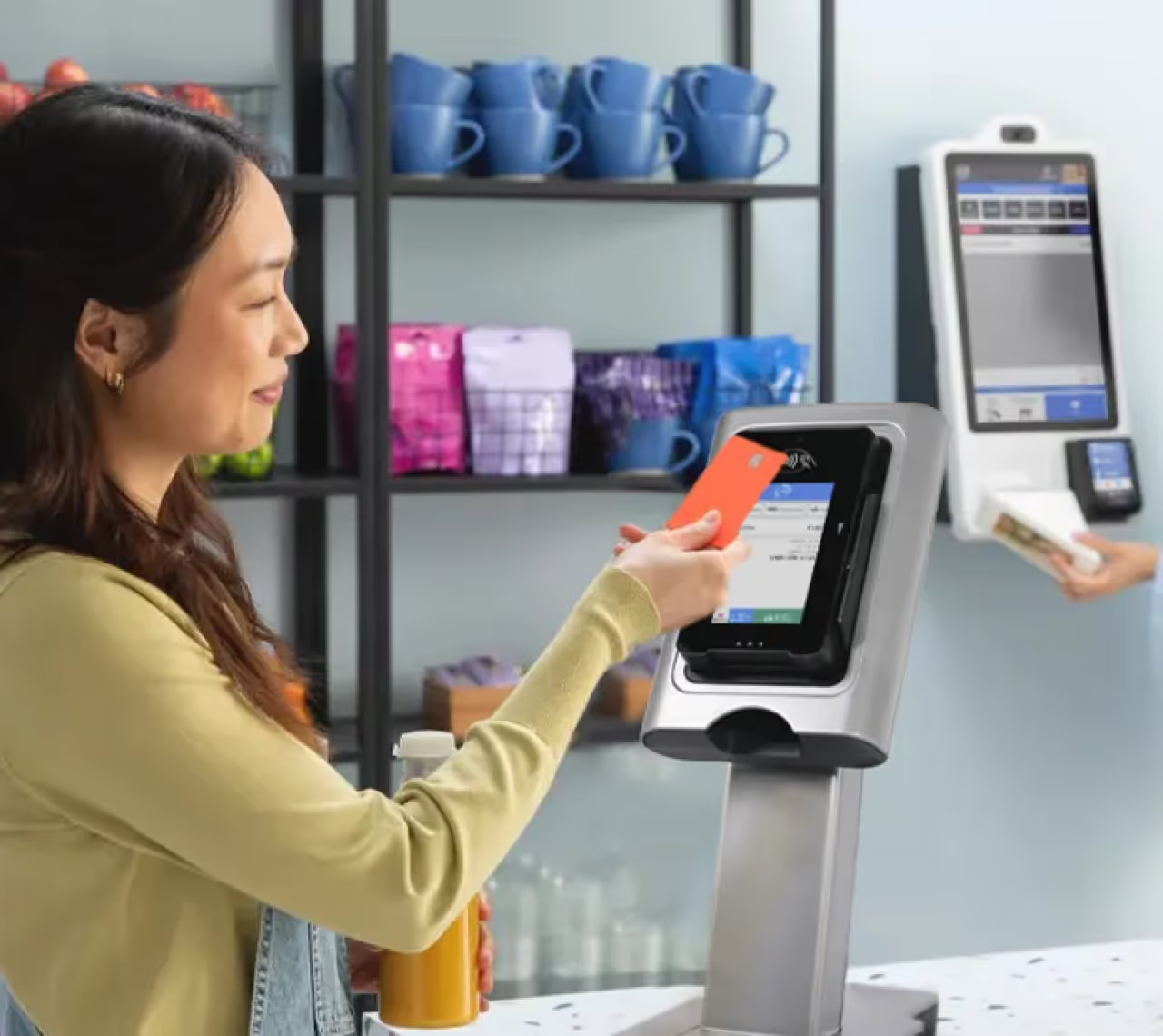
The Future of Automated Retail: Why Smart Vending Machines Are Surging in 2025
Market growth, AI and IoT features, and ROI numbers behind the smart vending and automated retail boom property managers are seeing in 2025.
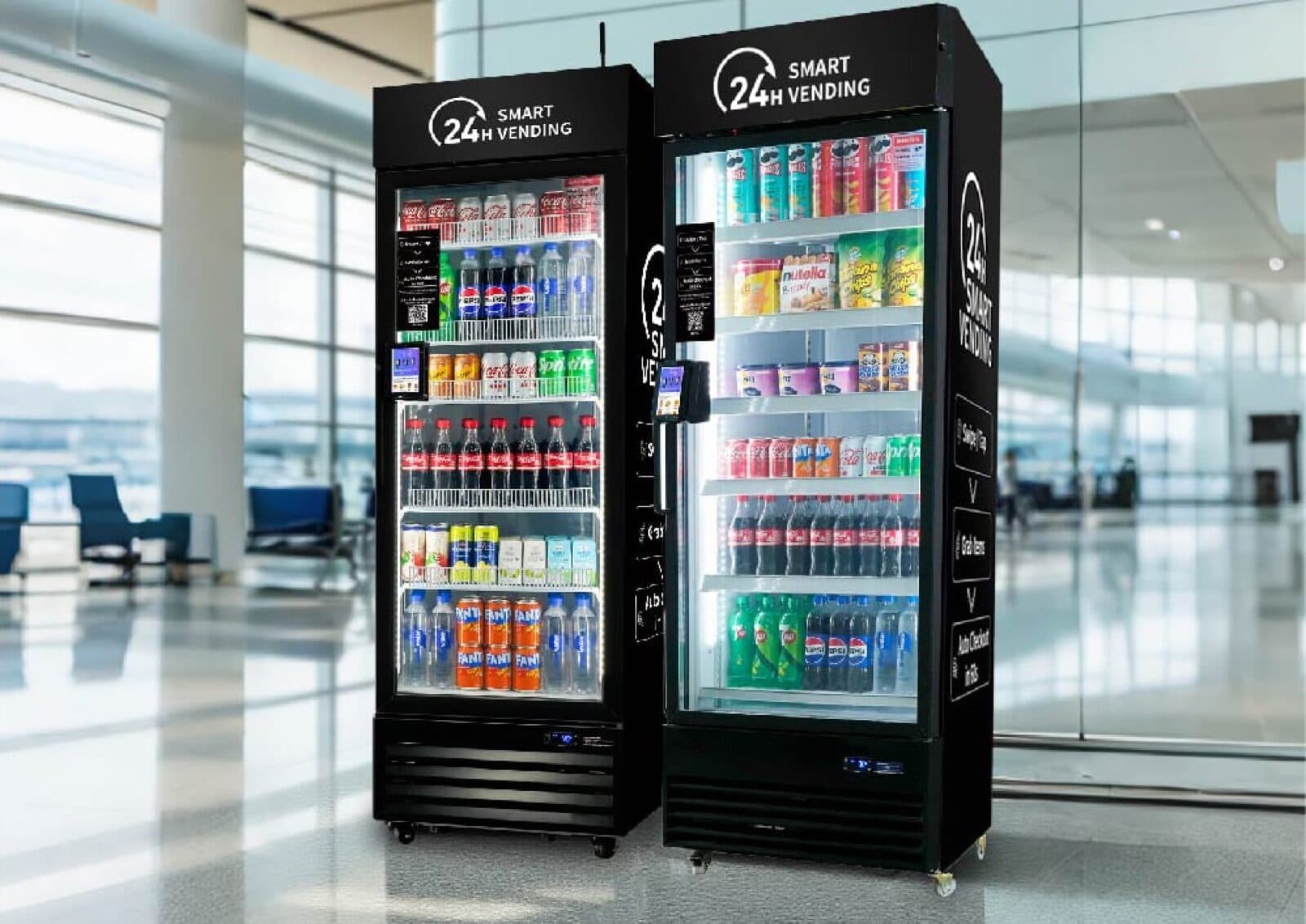
Introduction: The Smart Vending Revolution Transforming Retail in 2025
The smart vending revolution is reshaping retail landscapes, driven by advancements in technology. In 2025, the global intelligent vending machine market is projected to soar from USD 11.47 billion to USD 36.89 billion, demonstrating a remarkable CAGR of 18.2% (Fortune Business Insights). The market for automated retail is expected to grow by over 30% this year alone.
Innovations in AI and IoT integration are revolutionizing the vending experience and optimizing operational workflows. As digital payment adoption exceeds 65% in vending transactions and 35% of installations feature AI-powered automation, the industry is evolving rapidly. This surge reflects a broader trend toward automation and convenience in retail environments.
Modern Amenities: The Complete Turnkey Solution for Smart Vending and Micro Markets
The growing demand for smart vending machines and micro markets signifies a major shift in consumer behavior and retail strategies. These solutions not only enhance convenience but also cater to the evolving needs of modern spaces, such as offices and residential complexes. For instance, integrating a micro market can lead to an impressive increase in sales — one customer reported a 65-70% boost after installation (Vending Locator).
Smart vending machines are designed to offer a seamless shopping experience, allowing users to purchase a variety of products with ease. The appeal lies in their ability to provide essential items right where people live and work. Property managers recognize the value of these amenities. With increased foot traffic — micro market locations can expect an 18% rise in visits compared to traditional machines — these innovations are transforming how consumers interact with retail.
Zero Upfront Costs with Revenue-Sharing Model
Incorporating smart vending machines through a revenue-sharing model allows property owners to eliminate upfront costs. This approach shifts the financial burden of initial setup and ongoing maintenance to the service provider. As a result, property owners can enjoy the benefits of automated retail without substantial capital investments or risks, making it an attractive option for enhancing commercial spaces. This model fosters a hands-off experience while generating income from the vending operations.
Fully Managed, Hands-Off Service
The fully managed, hands-off service for smart vending and micro markets simplifies operations for property managers. By handling installation, maintenance, and restocking, these services allow clients to focus on their core responsibilities. Regular revenue-sharing agreements provide consistent income without the daily management hassles.
Market Growth Drivers: Why Smart Vending Is Exploding in 2025
The smart vending machine market is expanding rapidly, driven by consumer demand for convenience and advancements in technology. Innovations in artificial intelligence and the Internet of Things are central to this growth. For instance, over 500 vending machines have been deployed in metro stations across major Indian cities as part of the Smart Cities initiative, with plans to double this number in the next three years (Future Market Insights).
Furthermore, factors like low manpower costs and improved operational efficiency are expected to propel the market further. As these systems become more integrated into daily life, their presence in commercial spaces and urban environments will only increase.
AI and IoT Integration Revolutionizing Operations
AI and IoT integration in smart vending machines significantly enhances operational efficiency and customer experience. These technologies enable real-time inventory tracking, ensuring timely restocking and reducing shortages. They also analyze consumer preferences for personalized recommendations, improving engagement and sales, while predictive maintenance minimizes downtime and maintenance costs.
Cashless Payment Adoption
Cashless payments are reshaping the vending industry, with 71% of sales in the past year being cashless. This shift not only reflects consumer preferences for convenience but also results in higher average transaction values, boosting overall revenue.
Labor Cost Reduction and Workforce Shortages
Labor costs are a significant concern for many businesses, especially in the wake of workforce shortages. Smart vending machines provide a solution by reducing reliance on human labor while enhancing service efficiency. This shift allows companies to allocate resources more effectively, ensuring they can maintain operations even with limited staffing.
Key Technologies Powering the Smart Vending Surge
The surge in smart vending technology is largely driven by the integration of Internet of Things (IoT) capabilities. With approximately 15 million vending machines globally, many operators are now exploring connectivity options. The number of connected vending machines is expected to grow from 5.8 million in 2022 to 12.3 million by 2027, achieving a compound annual growth rate (CAGR) of 16.4 percent. This connectivity will enhance operational efficiency and customer engagement, making vending solutions more appealing to businesses and consumers alike (PR Newswire).
As technology evolves, automated payment systems and AI-driven inventory management are becoming standard, further propelling the smart vending market forward.
Facial Recognition and Personalization
The integration of facial recognition and voice interaction in smart vending machines enhances user engagement and personalization. These features allow machines to recognize customers, respond to their preferences, and create tailored promotional experiences. As a result, the industry is witnessing significant growth, driven by increased consumer interaction and satisfaction.
Real-Time Inventory Tracking
Real-time inventory tracking is a game-changer for smart vending machines. With IoT connectivity, operators can monitor stock levels and machine health continuously. This proactive approach minimizes downtime and ensures products are always available, ultimately enhancing customer satisfaction and operational efficiency.
The Business Case: ROI and Benefits for Property Managers
Property managers can significantly enhance their revenue streams through smart vending machines and micro markets. These solutions require no upfront costs and operate on a revenue-sharing model, allowing property managers to benefit without financial risk.
For instance, if an automated dispenser pulls in a monthly net profit of $1,930 and you invested $6,000 upfront, your ROI would be around 32%. Such strong performance highlights the financial advantages of integrating these technologies into commercial spaces.
Additionally, a cotton candy dispenser in a busy mall can rake in a monthly profit of $4,800, achieving an ROI in just 6 to 12 months (Vending Village Blog).
Enhanced Tenant Satisfaction and Retention
Smart vending machines significantly enhance tenant satisfaction by providing convenient access to food and beverages. For property managers, incorporating a micro market can elevate resident satisfaction, especially in multi-family properties where nearby shopping options are limited. This amenity allows residents to enjoy fresh snacks without the hassle of commuting.
Revenue Generation Without Capital Investment
The service agreement model for smart vending machines allows property owners to generate revenue without significant upfront investment. This approach leads to faster profitability compared to traditional property enhancements. With effective management, vending machines can quickly yield returns, making them an attractive addition to diverse property portfolios. This rapid turnaround enhances their appeal as a low-risk, income-generating venture.
Future Trends: What's Next for Automated Retail Beyond 2025
The future of automated retail looks promising, with smart vending machines expected to benefit from advancements in consumer analytics and payment technologies. Between 2025 and 2035, the market is likely to grow further, driven by innovations such as AI-powered facial recognition payments and compatibility with digital wallets and cryptocurrencies. This evolution reflects an increasing consumer preference for convenience and personalized shopping experiences.
As smart vending solutions become more sophisticated, they will not only enhance customer satisfaction but also optimize operational efficiencies. Retailers will increasingly rely on data analytics to tailor offerings and manage inventory, paving the way for a more responsive and agile retail environment. The integration of these technologies signals a significant transformation in how consumers interact with automated retail spaces, making them more engaging and efficient than ever before. (Future Market Insights)
Sustainability and Eco-Friendly Designs
Sustainable designs in smart vending machines are gaining traction, particularly through solar-powered models. These machines not only support corporate sustainability goals but also offer flexibility in placement, catering to off-grid locations and enhancing eco-friendly retail solutions.
Cryptocurrency and Digital Wallet Integration
Integration of cryptocurrency and digital wallets is transforming the smart vending landscape. As consumers increasingly prefer cashless transactions, vending machines equipped with these payment methods enhance convenience and security. This shift not only attracts tech-savvy users but also streamlines operations, reducing the need for cash handling. Moreover, the ability to accept cryptocurrencies opens new revenue streams, appealing to a broader demographic. Embracing these technologies positions operators at the forefront of the evolving retail market.
Frequently Asked Questions
What are the main benefits of using smart vending machines for property managers?
Smart vending machines offer property managers no upfront costs, a revenue-sharing model, and enhanced tenant satisfaction by providing convenient access to food and beverages, ultimately improving property appeal.
How do smart vending machines use AI and IoT technology?
Smart vending machines utilize AI for real-time inventory tracking and personalized recommendations, while IoT connectivity ensures operational efficiency, enhances customer engagement, and minimizes downtime through predictive maintenance.
What impact do cashless payments have on vending machine sales?
Cashless payments account for 71% of vending sales, leading to higher average transaction values and increased overall revenue, reflecting the growing consumer preference for convenience.
How can property managers expect their ROI from smart vending machines?
Property managers can see significant ROI from smart vending machines, with examples showing net profits around $1,930 monthly from an initial investment of $6,000, illustrating strong financial performance.
What future trends are expected in the automated retail space?
Future trends include advancements in AI-powered facial recognition payments, cryptocurrency integration, and eco-friendly designs, all aimed at enhancing customer experiences and optimizing operational efficiencies in automated retail.