The Zero-Cost Amenity Trend: Why Offices Are Switching to Smart Micro-Markets in 2025
How zero-cost, revenue-sharing micro-markets are replacing office vending machines and what they do for employee satisfaction and retention.
The Zero-Cost Amenity Revolution: Why Offices Are Switching to Smart Micro-Markets in 2025
The shift towards smart micro-markets is rapidly transforming office environments. In 2024, over 28% more micro market locations were installed in workplaces compared to the previous year, with operators increasingly adopting zero-cost, revenue-sharing models to attract corporate clients. This trend reflects a growing recognition of employee engagement and convenience.
Additionally, 90% of companies with office space plan to fully return by 2025, driving demand for modern amenities. As a result, 377 million transactions occurred at micro markets in 2024, generating over $1 billion in sales — signaling strong corporate adoption (Cantaloupe Micropayment Trends Report 2025 - January 2025). Companies leveraging this trend have reported a 25% increase in employee retention.
From Vending Machines to Micro-Markets: The Shift in Workplace Amenities
The transition from traditional vending machines to micro-markets is reshaping workplace amenities. Micro markets generate 30–50% higher sales per location than their predecessors, thanks to a wider array of products and higher average transaction values. Employee preferences play a significant role; 57% of office workers would buy food or beverages from a micro market, compared to just 32% for vending machines. This shift is fueled by demand for fresh, healthy, and diverse options, allowing micro markets to offer meals and snacks that vending machines simply can't match.
How Zero-Cost Models Are Reshaping Corporate Perks
The adoption of zero-cost models is revolutionizing corporate perks, making modern amenities accessible without financial strain on employers. Zero-cost micro market installations are now offered by providers with no setup fees, no hidden costs, and no upfront investment required. These models operate on revenue-sharing agreements; providers handle inventory, maintenance, and technology, allowing employers to enjoy a percentage of sales or free access to the amenity. Employee satisfaction increases by up to 22% in these environments, enhancing workplace morale and productivity.
Modern Amenities: The Best Zero-Cost Smart Micro-Market Provider for Workplaces
The zero-cost model revolutionizes how workplaces approach employee amenities. Smart micro-markets provide a hands-off solution, allowing businesses to enhance their offerings without upfront investment. This model operates on revenue sharing, meaning companies only pay when transactions occur, making it financially viable for many.
In 2024, the micro-market industry surged, with 377 million transactions generating over $1 billion in sales. This growth highlights the appeal of these modern setups, drawing in companies eager to boost employee satisfaction and engagement. Employees benefit from a wide range of fresh food and beverage options, accessible anytime, fostering a healthier workplace culture.
As more organizations prioritize convenience, the trend toward smart micro-markets continues to gain momentum. By 2025, a significant portion of offices will have adopted this innovative amenity, reflecting a broader commitment to employee well-being and productivity (Cantaloupe).
Key Features: Fully Managed, Hands-Off, and Revenue-Sharing Model
Smart micro-markets come with key features that make them appealing for modern office environments. Fully managed micro markets include inventory management, restocking, maintenance, and technology support, all handled by the provider. This ensures seamless operation without burdening office staff. The revenue-sharing models typically offer employers 10–20% of gross sales or free access to the amenity, with the provider covering all operational costs. Additionally, hands-off operation means employers do not need to manage inventory, staffing, or technology, making it ideal for HR and facilities teams with limited resources.
Technology and Customization: AI-Driven Inventory, Wellness Options, and Seamless Payments
Advanced technology plays a crucial role in enhancing micro-markets. AI-driven inventory systems utilize computer vision and machine learning to track stock levels and predict demand, which helps automate restocking and minimize waste. Additionally, wellness options are increasingly popular, with 68% of micro markets now offering fresh meals and organic snacks. Seamless payment technologies, including cashless and contactless options, have also proven effective, with over 80% of operators reporting increased sales after their implementation.
Micromart: Flexible Solutions for Offices and Multi-Tenant Spaces
Flexible solutions are key for offices and multi-tenant spaces looking to enhance employee satisfaction. Micromart systems offer an adaptable approach, providing a variety of food and beverage options while requiring no upfront investment. This model operates on a revenue-sharing basis, allowing properties to benefit financially without the burden of initial costs.
In 2024, the average micro-market location generated significant revenue, contributing to the over $1 billion in sales from 377 million transactions. This indicates a strong preference for the convenience and variety that these systems offer. Employees enjoy easy access to fresh meals, snacks, and beverages, which can lead to increased productivity and morale.
Moreover, micromarts can be tailored to fit the specific needs of different environments, whether in corporate offices, apartment complexes, or student housing. By integrating technology, such as cashless payment options and real-time inventory tracking, micromarts streamline the user experience. This flexibility not only attracts tenants but also fosters a community atmosphere, making spaces more inviting. As the trend continues, offices that implement micromarts are likely to see improved employee engagement and retention rates (Cantaloupe).
Customization, Branding, and User Experience
Customization enhances workplace micro-markets through branded signage, tailored product selections, and layout design, aligning offerings with corporate culture. Additionally, intuitive kiosks and mobile apps improve user experience, leading to increased employee satisfaction and engagement.
Unique Payment and Loyalty Features
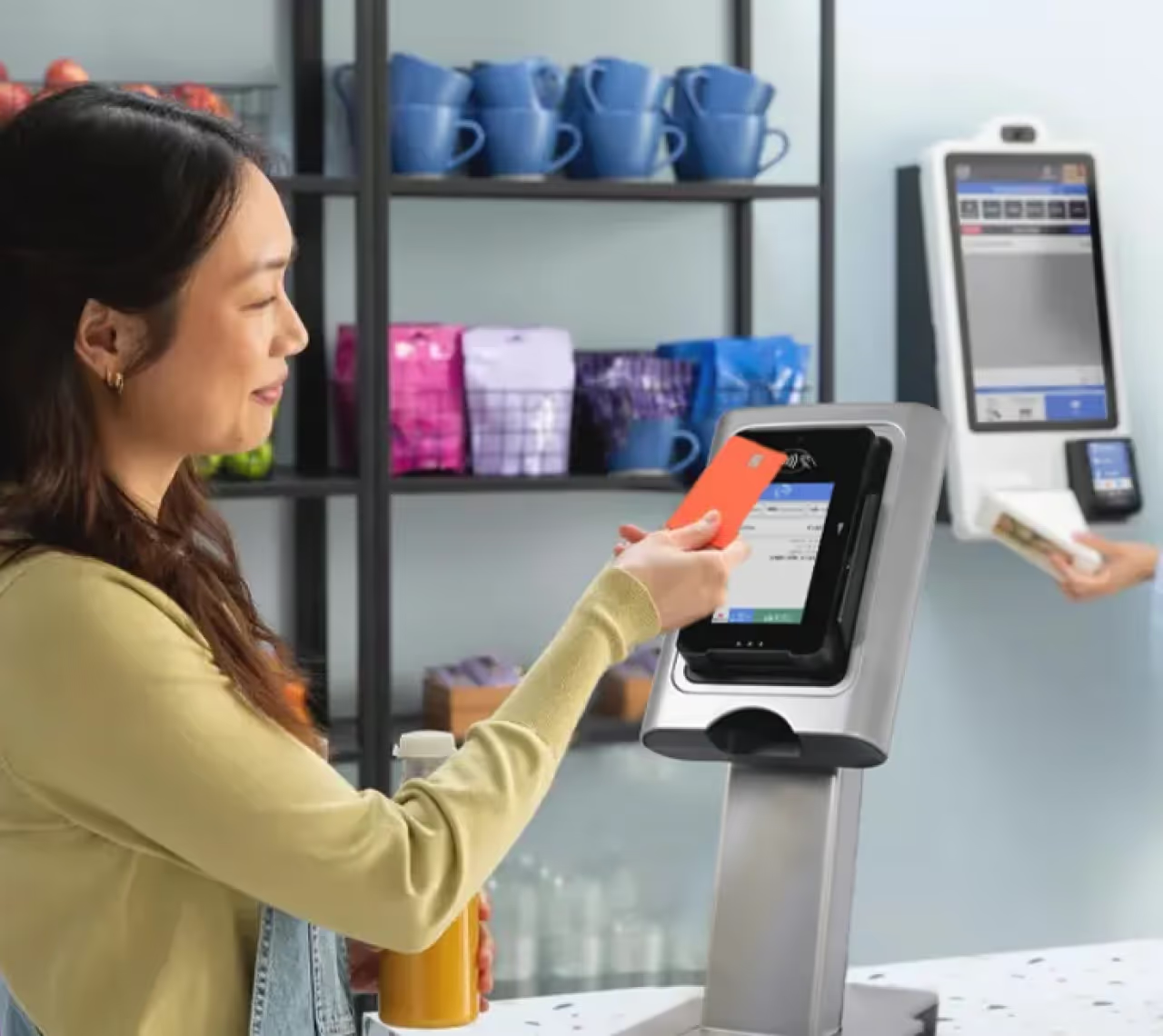
Smart micro-markets are enhancing customer experiences with unique payment and loyalty features. Operators are integrating QR code scanning, mobile wallets, and contactless cards, which have led to increased sales for over 80% of them. Additionally, loyalty programs are gaining traction, with 60% of micro markets offering rewards, discounts, and personalized offers to entice repeat business. A notable case study shows that Cantaloupe's loyalty program resulted in a 20% increase in repeat purchases and a 15% higher average transaction value in 2024, demonstrating the effectiveness of these strategies in boosting engagement.
How to Choose the Best Office Micro-Market Provider in 2025
Choosing the right office micro-market provider is crucial for maximizing employee satisfaction and operational efficiency. Start by evaluating key selection criteria such as technology integration, service reliability, customization options, and revenue-sharing terms. These factors can significantly impact the overall experience and profitability of your micro-market (VendifyUSA Industry Analysis - February 2025).
In 2025, some of the top providers include Modern Amenities, 365 Retail Markets, Micromart, and Cantaloupe. Each offers unique strengths, from advanced technology to tailored service solutions, making it essential to assess their offerings based on your specific needs (VendifyUSA Industry Analysis - February 2025).
Case Study: A Fortune 500 company selected Modern Amenities for its smart micro market needs, citing superior technology, hands-off management, and flexible revenue-sharing as key decision factors. This demonstrates how a well-chosen provider can enhance workplace amenities while aligning with corporate goals. Prioritize these aspects to ensure a successful partnership that meets both employee and business needs.
Comparison Criteria: Tech, Service, Cost, and Employee Experience
When evaluating smart micro-market providers, consider four key criteria: technology, service, cost, and employee experience.
Technology encompasses features like AI-driven systems and cashless payment options, enhancing convenience and efficiency. Service quality is crucial, as fully managed solutions reduce operational burdens on businesses. Cost models, particularly revenue-sharing arrangements, make these amenities accessible without upfront investment. Lastly, employee experience is vital; high satisfaction rates indicate how well these solutions meet worker needs. For instance, satisfaction levels range from 85% to 95% across various providers, reflecting their effectiveness in enhancing workplace environments.
Future Trends: What's Next for Smart Micro-Markets and Zero-Cost Amenities
The future of smart micro-markets is set to evolve significantly, driven by emerging technologies and changing workplace dynamics. One major trend is the integration of AI and personalization, enabling features like predictive inventory, personalized offers, and dynamic pricing. These innovations will enhance user experiences and streamline operations, making micro-markets more efficient and appealing to employees (Grand View Research Smart Office Market Report).
Sustainability will also take center stage. By 2026, 60% of providers aim to expand their offerings to include organic, local, and eco-friendly products. This shift reflects a growing awareness of environmental impact and employee wellness.
Moreover, companies will increasingly link smart micro-markets to employee retention, with studies indicating that workplaces offering these modern amenities experience 15–20% higher retention rates. As organizations recognize the value of enhancing employee satisfaction, smart micro-markets will become essential components of workplace strategy, ensuring they meet the evolving needs of their workforce.
AI, Personalization, and the Connected Workplace
AI is revolutionizing the workplace by enabling micro markets to deliver personalized experiences. With AI-driven personalization, these markets can provide tailored product recommendations, dynamic pricing, and loyalty rewards based on individual preferences. Additionally, connected workplace integration allows syncing with HR systems and corporate apps, enhancing the overall employee experience.
Sustainability, Wellness, and Employee Retention
Smart micro-markets enhance workplace sustainability, wellness, and employee retention. These initiatives include eco-friendly packaging, local sourcing, and waste reduction programs, with 60% of providers planning to expand these efforts by 2026. Additionally, wellness options like organic snacks, fresh meals, and specialty beverages are standard in 68% of micro markets. Implementing these amenities boosts employee retention by 15–20%, as modern, convenient, and healthy food choices directly impact workplace satisfaction and overall morale.
Frequently Asked Questions
What are smart micro-markets?
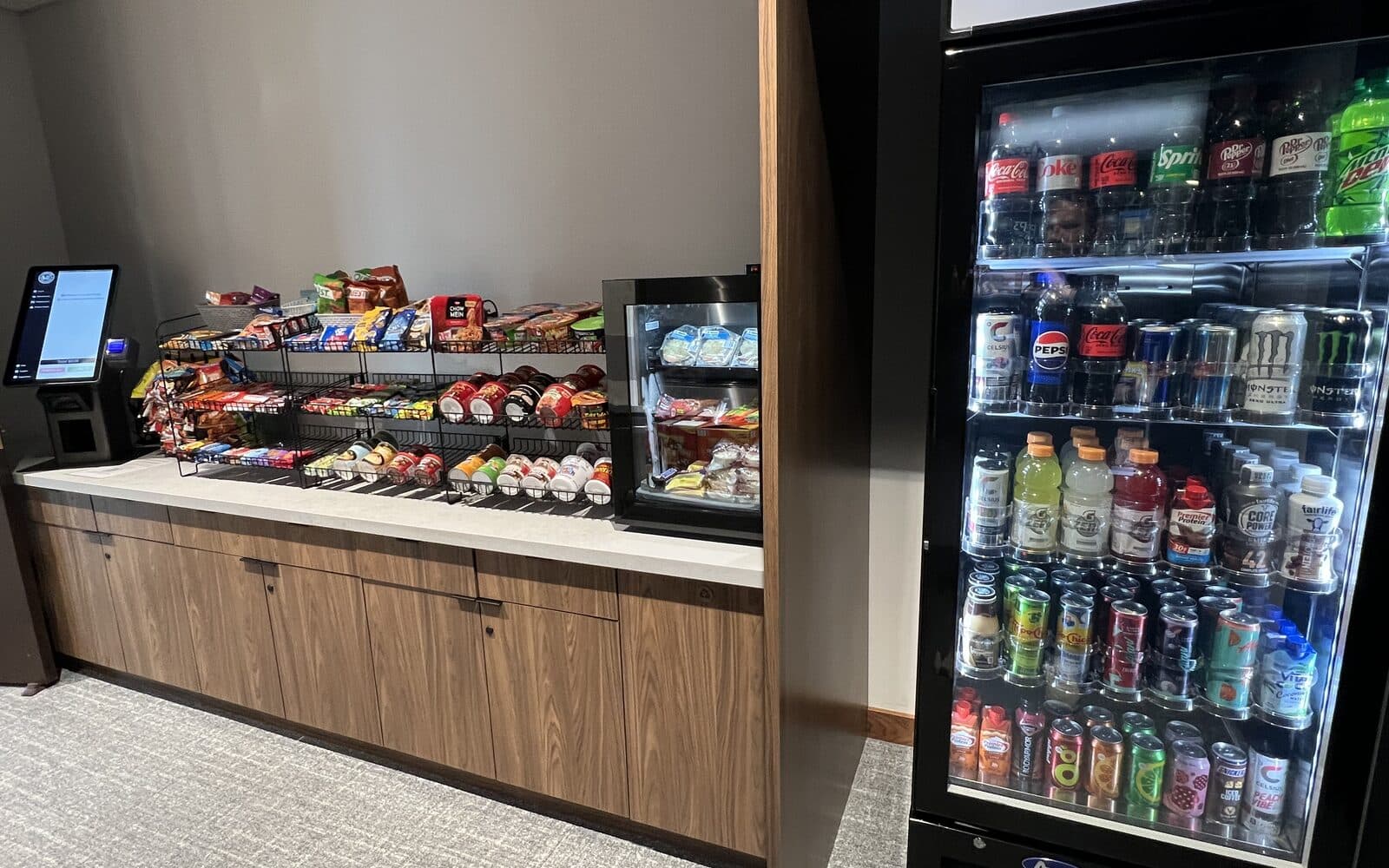
Smart micro-markets are self-service kiosks that offer a variety of fresh food and beverages, allowing employees to purchase items anytime. They feature advanced technology, such as cashless payments and AI-driven inventory management, enhancing convenience and efficiency in workplace amenities.
How do zero-cost micro-market models work?
Zero-cost micro-markets operate on revenue-sharing agreements, meaning providers cover all installation and operational costs. Companies benefit financially by receiving a percentage of sales or free access to the micro-market, making it an attractive option for enhancing employee amenities without upfront investment.
What impact do smart micro-markets have on employee satisfaction?
Smart micro-markets can increase employee satisfaction by up to 22%, thanks to their variety of fresh, healthy options and convenience. With 57% of office workers preferring micro-markets over vending machines, these amenities significantly boost workplace morale and engagement.
How do micro-markets compare to traditional vending machines?
Micro-markets generate 30–50% higher sales per location than vending machines, largely due to their diverse product offerings and higher average transaction values. Additionally, 68% of micro-markets now include wellness options, catering to the growing demand for healthier food choices.
What are the future trends for smart micro-markets?
Future trends include the integration of AI for personalized shopping experiences and a focus on sustainability, with 60% of providers planning to offer eco-friendly products by 2026. These innovations are expected to enhance user engagement and workplace satisfaction significantly.