What Is a Micromart Vending Machine? A Simple Guide for Property Managers
Explains what a micromart vending machine is, how it differs from traditional vending, and what it costs property managers to install one.
What Is a Micromart Vending Machine?
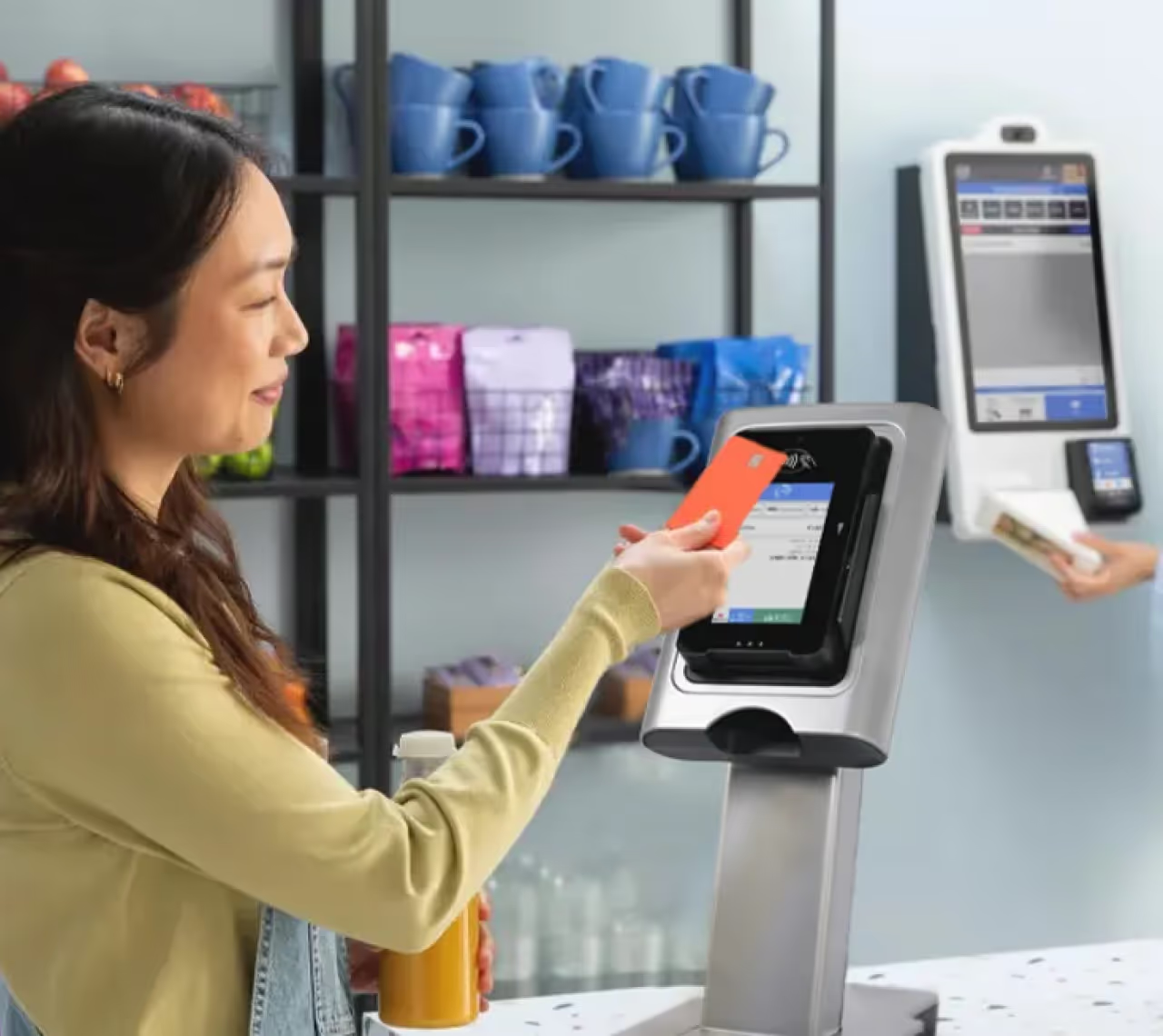
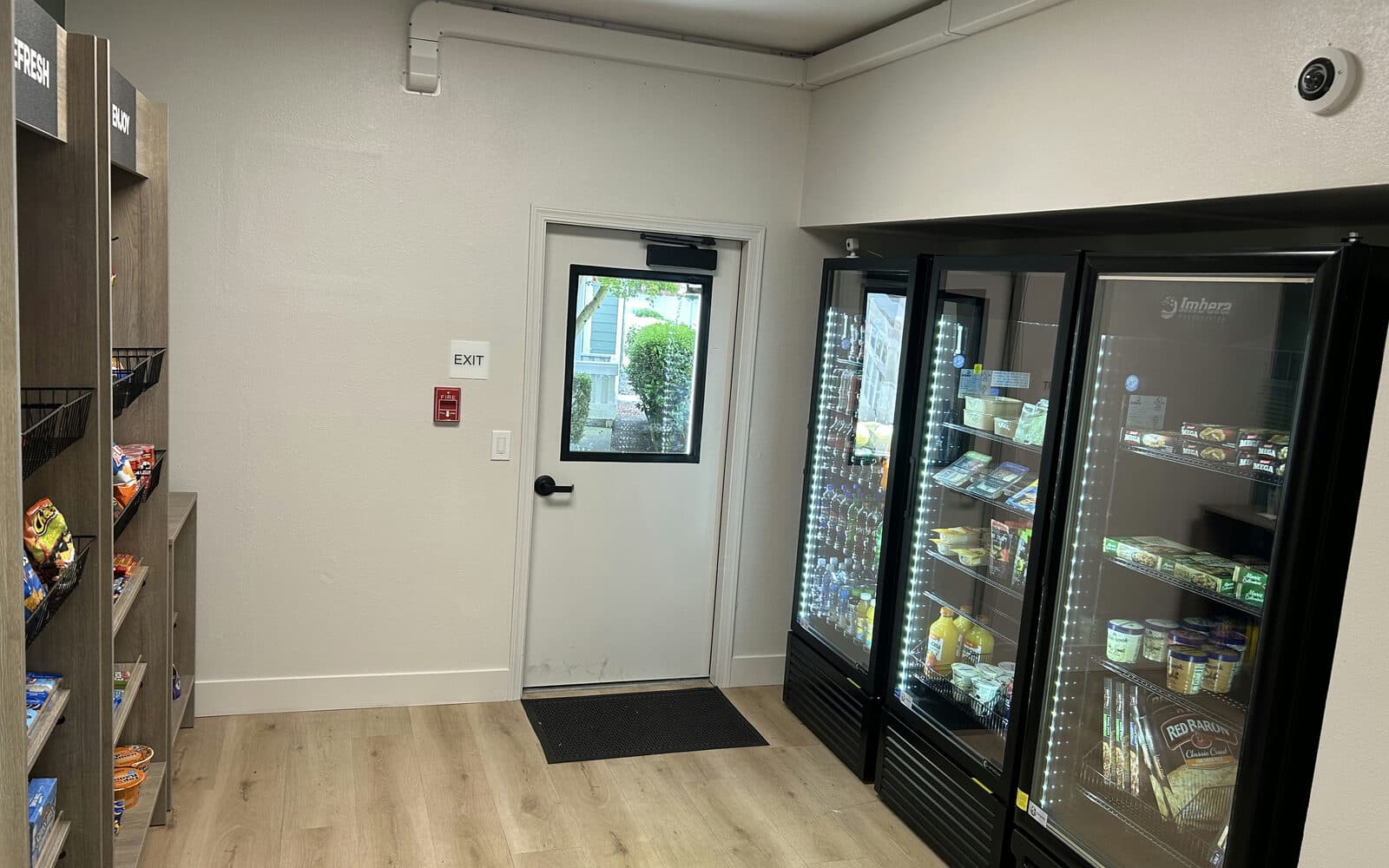
Micromart vending machines are modern, self-service retail solutions that allow users to purchase snacks, beverages, and other convenience items in a hassle-free manner. Unlike traditional vending machines, micromarts offer a wider selection of products, often including fresh food options, and operate in a more open format. Customers can browse items in a mini-market style setting, selecting their purchases without the constraints of a traditional vending interface.
The growth of micromarts reflects changing consumer preferences, particularly in workplaces and residential complexes. The North American micro market size was valued at $3,950.4 million in 2022, with a projected growth rate of 13% from 2023 to 2030. Additionally, the number of micro market locations surged to 55,770 in 2024, marking a 30% increase from the previous year. This trend highlights the increasing demand for convenient, accessible food options that cater to busy lifestyles (Canteen - November 2024).
"Micromart" is also the name of one smart store company. If you are weighing that company against a managed partner, see Modern Amenities vs Micromart.
How Micromart Vending Machines Differ from Traditional Vending
Micromart vending machines represent a significant evolution in self-service retail, offering a more versatile shopping experience compared to traditional vending machines. While traditional machines limit selections to a small variety of items behind glass, micromarts create a mini-market environment with open shelves and refrigerators. This setup allows customers to browse a wider range of products, including fresh food options, and make larger purchases without the constraints typical of conventional vending.
The advantages of micromarts extend beyond mere convenience. Research shows that vending operators can achieve sales that are 65-70% higher with micromarts than with traditional vending machines. This increase is attributed to the ability to offer a broader selection and a more engaging shopping experience. As consumer preferences shift toward healthier and fresher food options, micromarts are becoming increasingly popular in workplaces and residential areas.
The growth of this trend is evident in the substantial market expansion, with the North American micro market size valued at nearly $4 billion in 2022 and projected to grow even further in the coming years. This shift not only reflects changing consumer habits but also highlights the demand for accessible, convenient food options that fit into busy lifestyles.
Product Capacity and Variety
Micromart vending machines typically carry over 200 stock-keeping units (SKUs), providing a diverse product range that goes beyond snacks and beverages. This variety often includes meal kits, fresh produce, dairy items, and premium beverages, catering to various dietary preferences. The ability to offer such a wide selection not only enhances customer satisfaction but also encourages larger purchases, making micromarts an appealing choice for property managers looking to meet tenant needs effectively.
Self-Checkout Technology vs. Dispensing Mechanisms
Self-checkout technology in micromarts allows customers to manage their purchases efficiently, enhancing the shopping experience. Unlike traditional vending machines, which require users to select items and wait for a mechanical dispense, self-checkout systems enable immediate access to products. This technology supports a seamless transaction process, reducing wait times and allowing customers to pay via various methods, including mobile payments. The convenience of self-checkout aligns with the growing demand for quick and user-friendly retail solutions in busy environments.
Space and Installation Requirements
Micromarts require sufficient space to accommodate shelving, display fixtures, and technology like self-checkout kiosks. Ideally, a minimum of 50–75 square feet is recommended to create an effective shopping environment. This setup can serve about 50 to 200 customers, enhancing the overall shopping experience.
Key Benefits of Micromart Vending Machines for Property Managers
Micromart vending machines offer a transformative solution for property managers seeking to enhance tenant experiences while boosting revenue. These self-service retail units not only provide a diverse selection of snacks and beverages but also adapt to the evolving preferences of consumers. As workplaces and residential complexes increasingly demand convenient food options, micromarts cater to this trend, positioning themselves as a valuable amenity.
The appeal of micromarts extends beyond mere convenience. Their operation model allows property managers to introduce modern amenities without upfront investment, making them an attractive option for enhancing property value. By integrating loyalty programs and personalized promotions, micromarts can significantly increase weekly revenue—up to 45% higher than traditional vending machines. This revenue potential, combined with a growing market presence—evident in the significant rise of locations in various sectors—demonstrates their effectiveness in meeting the needs of both tenants and property managers.
With their ability to create engaging environments and foster community among residents and employees, micromart vending machines represent a strategic investment in property management. As the demand for innovative solutions grows, embracing this trend could lead to enhanced tenant satisfaction and retention.
Revenue Generation Without Upfront Investment
Micromart vending machines enable property managers to enhance revenue without any initial costs. These machines operate on a full-service model, where the vending company manages installation, stocking, and maintenance at no expense to the property. This hands-off approach allows property managers to focus on other aspects of their business while still providing modern conveniences that attract tenants and boost satisfaction, ultimately increasing property value.
Enhanced Tenant Satisfaction and Retention
Micromart vending machines enhance tenant satisfaction and retention by providing a diverse range of products in a user-friendly environment. This modern approach allows residents to choose from fresh food and snacks, fostering a sense of community. The convenience of having accessible food options contributes to a more enjoyable living experience. Additionally, property managers can leverage loyalty programs to increase engagement, further boosting tenant satisfaction and retention. Employee satisfaction scores rose 24%, while transaction volume doubled compared to previous vending-machine setups (SoftServe).
24/7 Amenity Access for Residents and Employees
Micromart vending machines provide 24/7 access, making them ideal for employees and residents who work unconventional hours. This constant availability ensures that everyone can enjoy convenient food options whenever they need, enhancing overall satisfaction and engagement.
Ideal Property Types for Micromart Vending Installations
Micromart vending machines thrive in environments where convenience and accessibility are paramount. Ideal property types for these installations include:
- Offices: Employees benefit from easy access to snacks and beverages without leaving the workplace, enhancing productivity and satisfaction.
- Universities: Students appreciate the availability of quick meal options between classes, catering to their busy schedules.
- Hotels: Guests enjoy the convenience of 24/7 access to food and drinks, making their stay more comfortable.
- Factories: Workers in industrial settings often have limited break times, making micromarts a practical solution for quick refueling.
The micro market business model requires a certain amount of trust and honesty, and is therefore better suited for closed-loop environments such as offices, universities, hotels, and factories (Nayax - April 2024).
Cost Considerations: Investment Models and Revenue Sharing
Investment in micromart vending machines involves careful consideration of both initial costs and potential returns. Generally, these modern retail solutions require a higher upfront investment, typically ranging from $13,000 to $16,000. However, this initial expenditure is often offset by a higher return on investment compared to traditional vending machines, which can lead to greater profitability over time.
Additionally, products sold in micromarts are usually priced 15 to 20 percent higher than those in traditional vending machines. This pricing strategy reflects the enhanced variety and quality of items available, including fresh food options. While the higher prices may seem like a drawback, they cater to consumer demand for convenience and quality, potentially driving increased sales volume.
Understanding the investment models and revenue-sharing arrangements is crucial for property managers considering micromarts. These models can vary, but many operators offer fully managed solutions that require no upfront costs for clients, instead relying on revenue-sharing agreements. This allows property managers to benefit from the micromart's offerings without the financial burden of initial setup costs, making it an attractive option for enhancing tenant amenities and satisfaction. The financial dynamics of micromarts can lead to sustainable profit margins while meeting the evolving needs of consumers in various environments.
How to Choose the Right Micromart Solution for Your Property
Choosing the right micromart solution for your property involves understanding both the needs of your tenants and the operational benefits these systems offer. Micromarts provide a modern, self-service experience that enhances convenience for users, making them an attractive option for various environments like offices and residential complexes. Assessing the layout and available space is crucial, as micromarts often require a larger footprint than traditional vending machines.
Consider the product selection you want to offer. A diverse range of items, including fresh food options, can cater to different dietary preferences and needs. The growing demand for micromarts is evident; the North American micro market size was valued at $3,950.4 million in 2022, with a projected growth rate of 13% from 2023 to 2030. With the number of micro market locations reaching 55,770 in 2024, property managers can capitalize on this trend by integrating micromart solutions that align with tenant expectations and enhance the overall property appeal.
Frequently Asked Questions
What types of products can you find in a micromart vending machine?
Micromart vending machines typically offer over 200 stock-keeping units, including snacks, beverages, meal kits, fresh produce, dairy items, and premium beverages, catering to a variety of dietary preferences.
How do micromart vending machines enhance tenant satisfaction?
Micromart vending machines provide a diverse selection of fresh food and snacks in a user-friendly environment, fostering a sense of community and convenience, which significantly boosts tenant satisfaction and retention.
What are the installation space requirements for micromart vending machines?
Micromarts generally require a minimum of 50–75 square feet for effective installation, accommodating shelving, display fixtures, and self-checkout technology to enhance the shopping experience.
How do micromarts differ in revenue generation compared to traditional vending machines?
Micromarts can generate 65-70% higher sales than traditional vending machines due to their broader selection and engaging shopping experience, aligning with consumer preferences for healthier options.
What are the typical costs associated with setting up a micromart vending machine?
Initial costs for micromart vending machines range from $13,000 to $16,000, but many operators offer managed solutions with revenue-sharing agreements, reducing upfront financial burdens for property managers.