Who Restocks Apartment Vending Machines? A Simple Breakdown for Property Owners
Breaks down who restocks apartment vending machines: full-service operators, self-managed owners, and micro market providers, and what each costs owners.
Introduction: Understanding Apartment Vending Machine Restocking
Restocking apartment vending machines is a critical aspect of maintaining resident satisfaction and operational efficiency. Typically, property management teams partner with specialized vending service providers who handle inventory management and restocking. These companies ensure that machines are consistently stocked with popular items, ranging from snacks to beverages, based on resident preferences and sales data.
Effective restocking strategies often involve analyzing sales patterns to predict demand. For instance, data shows that vending machines can generate significant revenue, with some locations reporting earnings of $1,200 to $2,500 per month. This income can vary based on foot traffic and the selection of products offered (VendingMarketWatch).
Regularly scheduled restocking not only keeps machines full but also prevents spoilage and ensures that residents have access to fresh products. Property owners benefit from a hands-off approach, as these service providers typically take care of logistics, inventory tracking, and maintenance. This allows property managers to focus on other aspects of their operations while enhancing the overall living experience for tenants.
Modern Amenities: Fully Managed Smart Vending with Zero-Touch Restocking
Restocking apartment vending machines is essential for maintaining resident satisfaction and maximizing revenue. Property management teams typically collaborate with specialized vending service providers to handle this task. These companies not only manage inventory but also ensure that machines are stocked with popular items based on sales data and resident preferences.
Effective restocking strategies involve analyzing sales patterns. For example, vending machines can generate substantial income, with some locations earning between $1,200 and $2,500 monthly. This revenue potential can fluctuate based on factors like foot traffic and product selection. Regularly scheduled restocking not only keeps machines filled but also helps prevent spoilage, ensuring residents have continuous access to their favorite snacks and beverages. By partnering with a dedicated service provider, property owners can focus on other responsibilities, knowing that their vending operations are efficiently managed and tailored to meet the needs of their community (VendingMarketWatch).
AI-Powered Inventory Management
Property management teams typically coordinate with vending service providers to restock apartment vending machines. These providers assess inventory needs based on sales data and resident preferences, ensuring machines remain stocked with popular items to maximize revenue and resident satisfaction.
Revenue-Sharing Model with No Upfront Costs
A revenue-sharing model with no upfront costs allows property owners to partner with vending service providers without financial risk. In this setup, vendors handle all aspects of machine management, including restocking and maintenance, while sharing a portion of the profits with the property owner. This arrangement not only minimizes initial investment but also ensures that property owners benefit from ongoing revenue without the hassle of day-to-day operations, making it an attractive option for enhancing resident amenities.
Full-Service Vending Operators: Traditional Managed Solutions
Full-service vending operators play a crucial role in the management of apartment vending machines. These traditional managed solutions handle everything from inventory management to restocking, ensuring that machines remain stocked with popular snacks and beverages. Property managers can rely on these operators to analyze sales data and resident preferences, allowing for tailored product selections that maximize revenue.
In fact, some locations report vending machine earnings between $1,200 and $2,500 per month. This income highlights the financial potential of effective vending operations. Regular restocking prevents spoilage and maintains resident satisfaction, ultimately contributing to a more efficient and profitable service. By partnering with experienced vending operators, property owners can focus on other management tasks while ensuring that their vending services remain appealing and profitable for residents (VendingMarketWatch).
How Full-Service Operators Handle Restocking
Full-service operators manage restocking by employing a systematic approach. They monitor sales data, schedule regular visits, and adjust inventory based on demand trends. This ensures machines remain stocked with popular items for residents.
Typical Service Schedules and Response Times
Regular service schedules for restocking apartment vending machines typically occur weekly or bi-weekly. Response times for addressing issues, such as machine malfunctions or product shortages, should ideally be within 24 to 48 hours to maintain resident satisfaction.
Independent Vending Machine Owners: Self-Managed Operations
Independent vending machine owners can effectively manage their operations by taking charge of restocking and inventory management. This self-managed approach allows owners to tailor product selections based on local preferences, ensuring that popular items remain available. By monitoring sales data, owners can make informed decisions about which snacks and beverages to stock, optimizing both revenue and customer satisfaction.
Regular restocking schedules are crucial for maintaining machine performance. It is recommended to restock machines every one to two weeks, depending on sales volume. This frequency helps prevent spoilage and keeps offerings fresh. Interestingly, vending machines can generate substantial income, with some locations earning between $1,200 and $2,500 monthly, depending on foot traffic and product variety (VendingMarketWatch). By actively managing their operations, independent owners can maximize profits while providing a valuable service to their communities.
When Property Owners Choose Self-Management
When property owners choose self-management for vending services, they take on the responsibility of restocking. This includes monitoring inventory levels, analyzing sales data, and ensuring that popular items are always available for residents.
The Real Costs of DIY Restocking
Property owners often consider the DIY approach to restocking apartment vending machines to save costs. However, this can lead to hidden expenses. First, managing inventory requires time and effort, diverting attention from core responsibilities. Second, without data-driven insights, owners may struggle to select popular items, resulting in wasted stock or missed sales opportunities. Finally, improper restocking can lead to machine downtime, negatively impacting resident satisfaction and potential revenue. Partnering with a professional service can streamline this process and enhance profitability.
Micro Market Providers: Self-Service Convenience Store Solutions
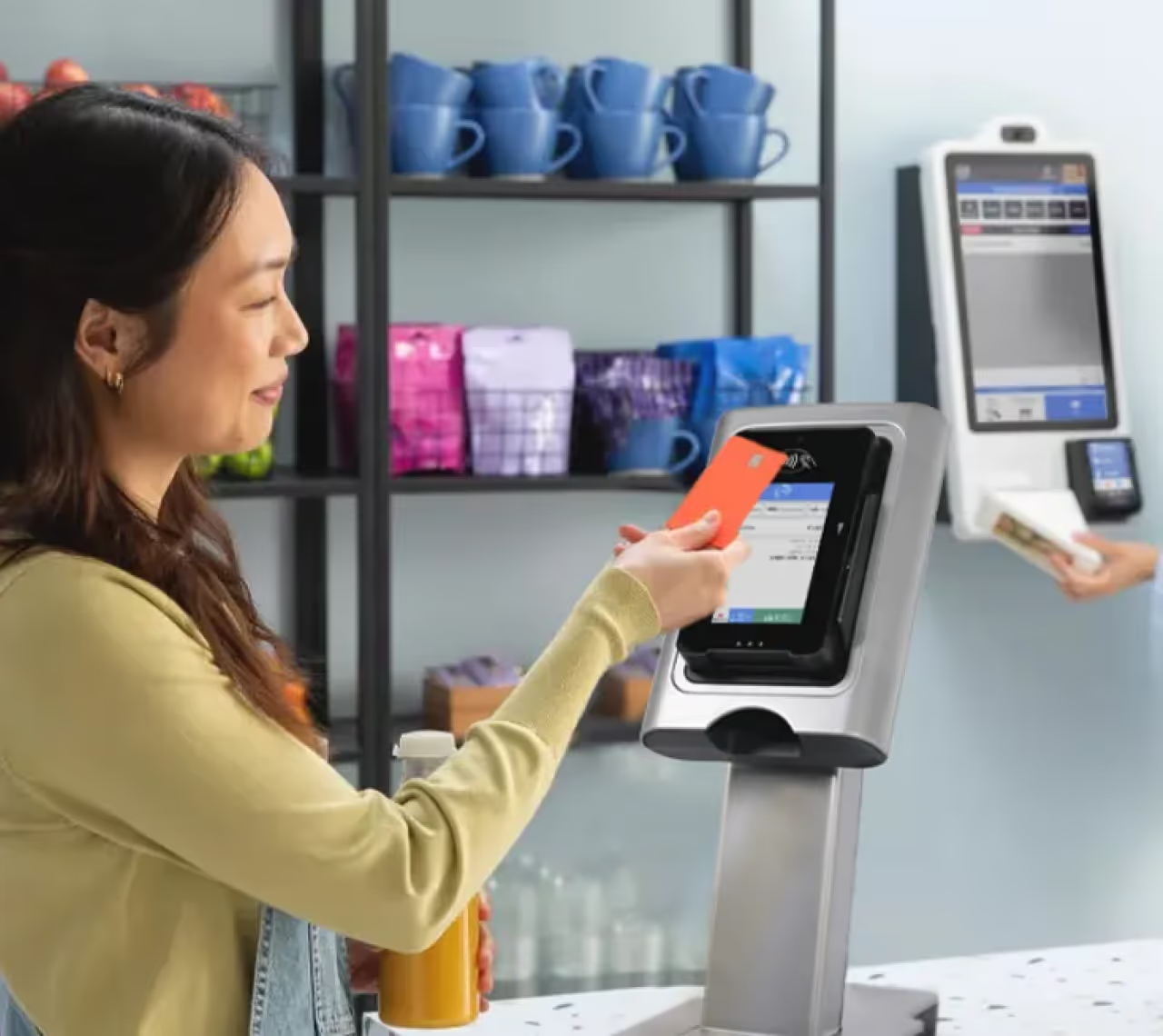
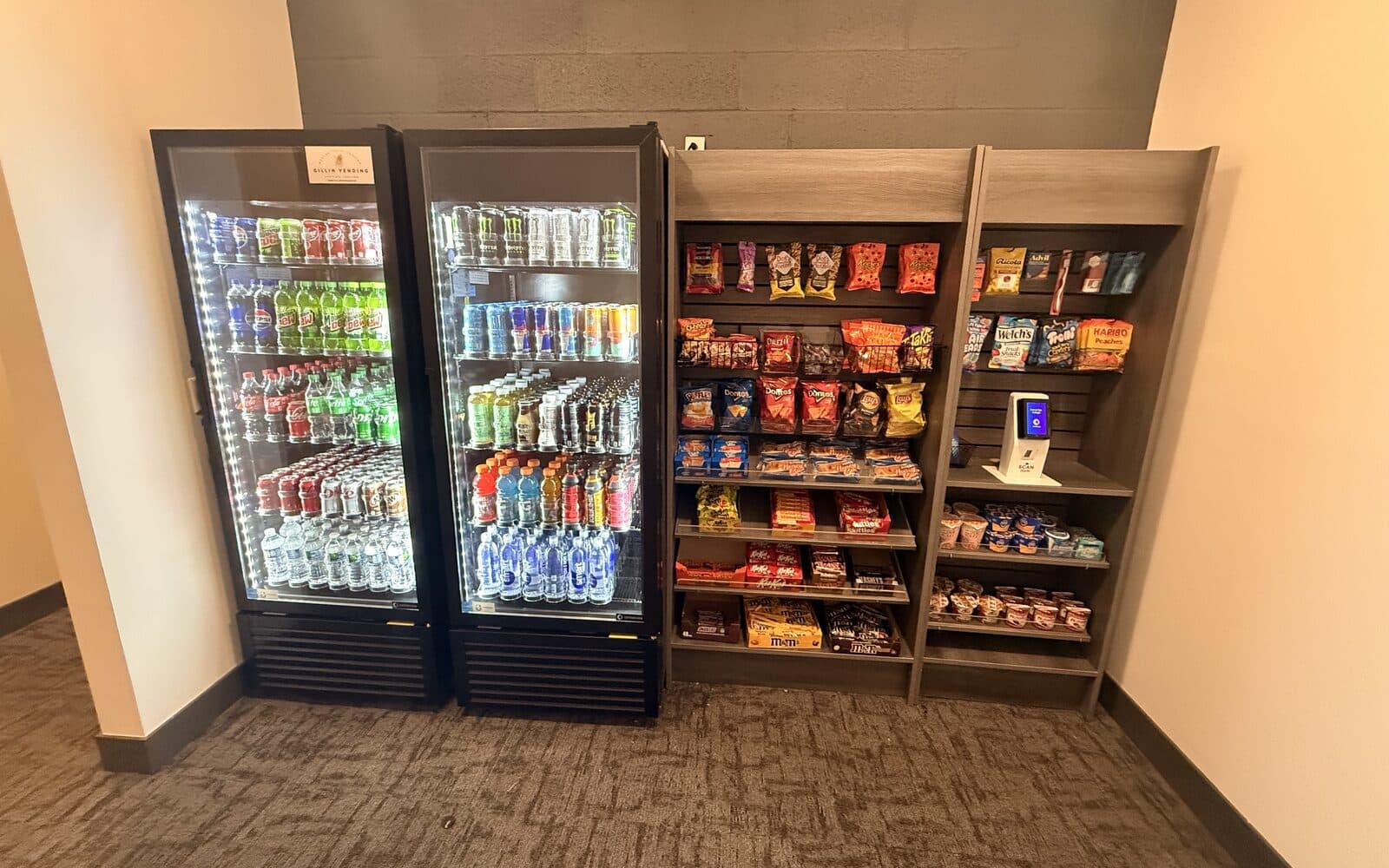
Micro markets provide a self-service convenience store solution that enhances the vending experience in apartment complexes. These setups allow residents to browse and select items in a more engaging environment compared to traditional vending machines. With a variety of products, from snacks to healthy meals, micro markets cater to diverse preferences and dietary needs.
Restocking these markets is typically managed by specialized providers who analyze sales data to keep popular items available. This approach not only maximizes sales potential but also minimizes waste. In fact, some micro markets can generate monthly revenues between $1,200 and $2,500, depending on foot traffic and product selection (VendingMarketWatch). Regular restocking ensures that residents enjoy fresh options while maintaining the market's appeal. Ultimately, micro markets blend convenience with a modern shopping experience, making them an attractive addition for property owners and residents alike.
How Micro Market Restocking Differs from Traditional Vending
Micro market restocking differs significantly from traditional vending by utilizing advanced technology for inventory management. Unlike vending machines, which require manual refilling, micro markets track sales in real-time, allowing for more efficient and timely restocking based on actual demand and customer preferences.
What Property Owners Should Expect from Vending Restocking Services
Property owners can expect several key elements from vending restocking services. Firstly, these services should provide regular, scheduled restocking to ensure machines are consistently filled with popular items. This involves not only refilling snacks and beverages but also monitoring inventory levels to prevent stockouts. A well-managed service will analyze sales data to tailor offerings to resident preferences, enhancing satisfaction and maximizing revenue.
Additionally, property owners should anticipate a hands-off approach, where the vending service takes full responsibility for inventory management. This includes tracking sales trends and adjusting stock accordingly. According to industry insights, vending machines can yield monthly revenues ranging from $1,200 to $2,500, depending on factors like product selection and foot traffic (VendingMarketWatch). By partnering with a reliable vending service, property owners can ensure their machines remain profitable and meet the needs of their residents. Regular restocking not only helps maintain income but also fosters a positive living environment by providing convenient access to refreshments.
Restocking Frequency and Scheduling
Restocking frequency for apartment vending machines typically depends on the volume of usage and product selection. Most property managers schedule restocking every week or biweekly to ensure popular items are consistently available. This regularity helps maintain inventory levels, reduces the risk of product spoilage, and keeps residents satisfied. Additionally, monitoring sales data allows for adjustments in restocking schedules, ensuring that high-demand products are prioritized, ultimately enhancing the overall vending experience for residents.
Maintenance and Repair Responsibilities
Property management teams typically handle the maintenance and repair responsibilities for apartment vending machines. This includes ensuring machines function properly, addressing any technical issues, and managing routine cleaning. Specialized vending service providers may assist with repairs, but property owners should maintain oversight to ensure prompt responses and minimize downtime. Regular maintenance helps extend the life of the machines and enhances resident satisfaction.
Conclusion: Choosing the Right Restocking Solution for Your Property
Choosing the right restocking solution for your property can significantly impact resident satisfaction and profitability. An effective partnership with a reputable vending service provider is essential. These companies not only manage inventory but also analyze sales data to optimize product selection based on resident preferences. This data-driven approach ensures that vending machines are stocked with popular and high-demand items, enhancing the likelihood of sales.
Regular restocking schedules are crucial to maintaining machine efficiency. This practice minimizes spoilage and ensures that residents consistently find their favorite snacks and beverages available. Research indicates that vending machines can generate substantial revenue, with some locations earning between $1,200 and $2,500 monthly. Such figures highlight the potential profitability of well-managed vending solutions (VendingMarketWatch).
When evaluating restocking options, consider factors like service frequency, product diversity, and overall cost structure. A well-rounded solution should align with your property's needs and resident demographics. Ultimately, the right restocking strategy not only supports operational efficiency but also fosters a positive community atmosphere, making it a worthwhile investment for property owners.
Frequently Asked Questions
How often should apartment vending machines be restocked?
Apartment vending machines should typically be restocked every week or bi-weekly, depending on usage and product selection. This ensures popular items remain available and minimizes spoilage.
What factors influence the revenue from vending machines?
Revenue from vending machines can vary based on factors such as foot traffic, product selection, and local preferences. Some locations report earnings between $1,200 and $2,500 monthly.
What should property owners look for in a vending service provider?
Property owners should seek vending service providers that offer data-driven inventory management, regular restocking schedules, and a hands-off approach to operations, ensuring products meet resident preferences.
Are there hidden costs associated with self-managing vending machines?
Yes, self-managing vending machines can incur hidden costs, such as time spent on inventory management and potential revenue loss from inadequate stock selection and machine downtime.
How do micro markets differ from traditional vending machines?
Micro markets allow for a self-service convenience store experience, utilizing advanced technology for real-time inventory tracking and more diverse product offerings compared to traditional vending machines.